Vegetable Garden for Beginners: What to Plant and When
A vegetable garden sounds easy until you try to get one going. You take a few seeds, plant them, and see what happens. Then nothing happens, or things grow at the wrong time, or plants look weak.
Most of that comes down to timing. Some people pick up tips from robert mygardenandpatio when they start out.
Many novices don’t fail because they don’t put in enough effort. They fail because they plant the wrong crops at the wrong time. Once you understand when to plant and what works in each season, things start to make sense.
This guide keeps it simple. It is built for people in the United States who want to grow food at home without overthinking every step. You will learn what to plant in spring, what to wait on, and how to keep your vegetable garden producing through the year.
Expensive tools and a large garden are not necessary. All you need is the appropriate plan at the appropriate moment.
Understanding Your Local Growing Season
Before planting anything, you need to know your timing. The growing season varies by region in the United States.
The most useful thing to know is your last frost date. That is the point in spring when freezing temperatures usually stop. If you plant certain crops before that, they struggle or die.
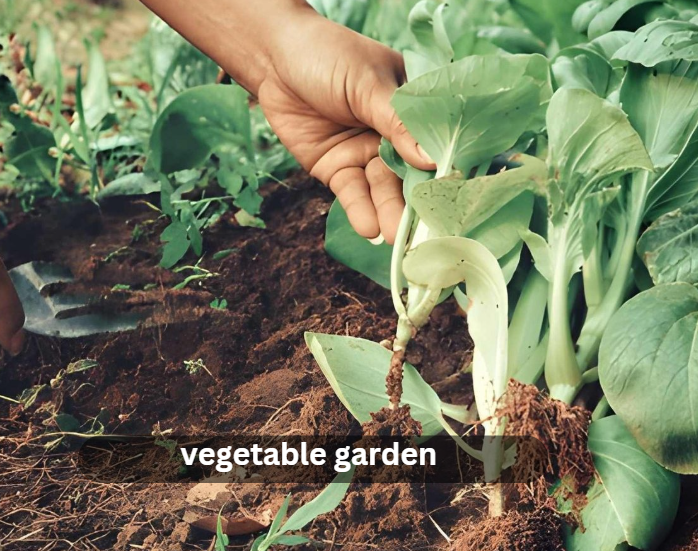
Cold tolerant plants can handle early planting. Things like spinach, peas, and lettuce can go into the ground before that last frost. They actually prefer cooler weather.
Warm weather plants are different. Tomatoes, peppers, and cucumbers need warm soil. They will just sit there and do nothing if you rush them.
This is a straightforward way of thinking about it. Early season is for cool crops. After frost is for warm crops.
Once you understand that, your vegetable garden becomes much easier to manage.
Crops for the Cool and Warm Seasons
You don’t have to commit a lengthy list to memory. Just understand the difference.
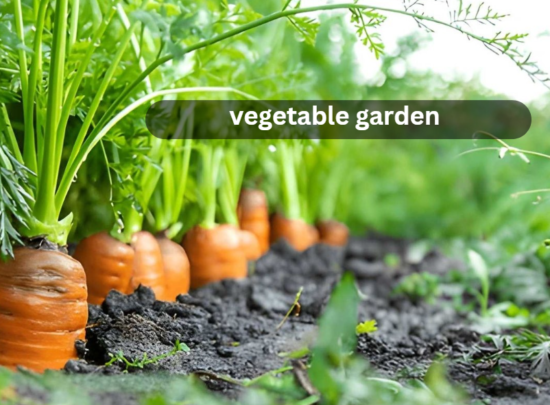
Cool season crops grow best when temperatures are mild. These include lettuce, carrots, broccoli, and peas. They grow fast early in the year and again later when it cools down.
Warm season crops need heat. Tomatoes, squash, beans, and peppers fall into this group. They won’t do well in cold soil.
If you plant cool crops in hot weather, they turn bitter or stop growing. If you plant warm crops too early, they stay weak.
Most beginners mix everything together and hope for the best. That usually leads to uneven results. Others explore ideas on mygardenandpatio or browse guides on www mygardenandpatio .com.
A better approach is to separate your planting. Start your vegetable garden with cool crops. Then shift to warm crops once the weather settles.
Best Vegetables to Start With
Some plants are just easier.
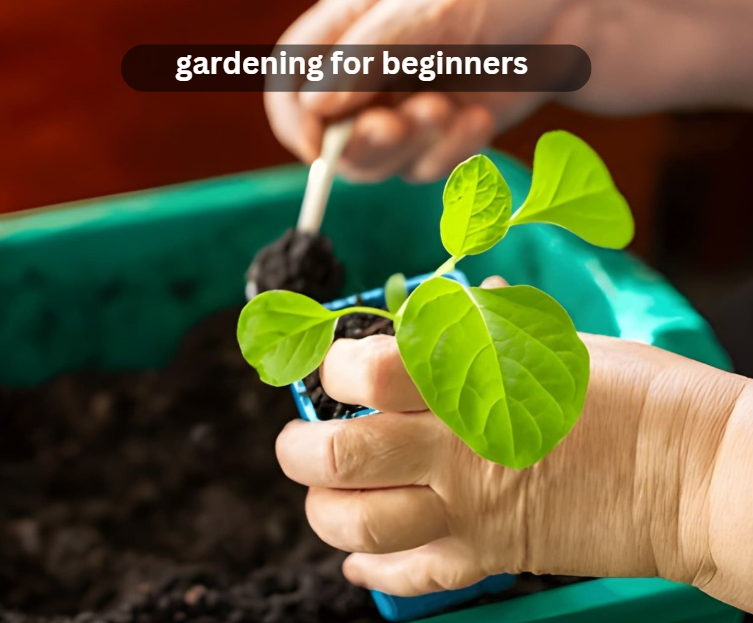
Start with crops that grow quickly and require little care if you’re new.
Lettuce is a good example. It grows fast and you can harvest it more than once. Radishes are even quicker. You can see results in a few weeks.
Green beans are another solid choice. They grow fast and produce a lot without much effort.
Zucchini is known for giving more than you expect. One plant can produce a steady supply.
Tomatoes are popular, but they need a bit more care. They need support, regular watering, and full sun. Nevertheless, you should give them a try in your vegetable garden.
Skip anything that needs perfect conditions. Some crops are just not beginner friendly.
What to Plant in the Early Spring
Most people either advance or lag behind at this point.
Cool-season crops can be planted as soon as the soil is workable. That includes carrots, peas, spinach, and lettuce.
These plants don’t mind cooler air. In fact, they grow better before the heat comes in.
The soil matters here. If it’s too wet, wait a bit. It’s ready if it crumbles readily in your hands.
Early planting gives you an advantage. You get a harvest before summer even starts. Then you can reuse that space later.
A lot of beginners wait too long because they think it’s too early. That delay shortens your growing season.
Starting early sets the pace for your vegetable garden.
What to Plant After Frost
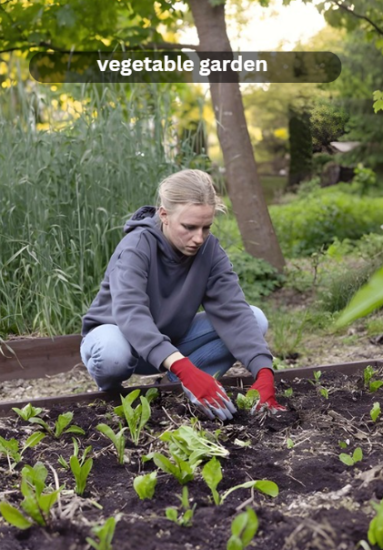
Once the cold nights are gone, everything changes.
Beans, tomatoes, peppers, and cucumbers are in season. For these crops to thrive well, they require warmth.
If the soil still feels cold, give it a few more days. Warm soil helps plants grow faster and stronger.
Spacing matters more than people think. Crowded plants compete for light and nutrients. That leads to smaller harvests.
Water regularly, but don’t soak the soil. Roots need air too.
This stage is where your vegetable garden starts to look full. It’s also where small mistakes can affect your results later.
Keeping Your Garden Productive in Summer
Most people think planting is done by summer. That is untrue.
You can continue producing vegetables that grow quickly, like radishes and beans. This keeps your garden active instead of slowing down.
Heat can be a problem for some plants. In hot weather, leafy vegetables suffer. You may need to provide them with shade.
Mulch is useful in this situation. It shields roots from heat and retains moisture in the soil.
A good vegetable garden keeps producing, not just growing.
Fall Gardening Basics
Fall is one of the most underrated times to grow food.
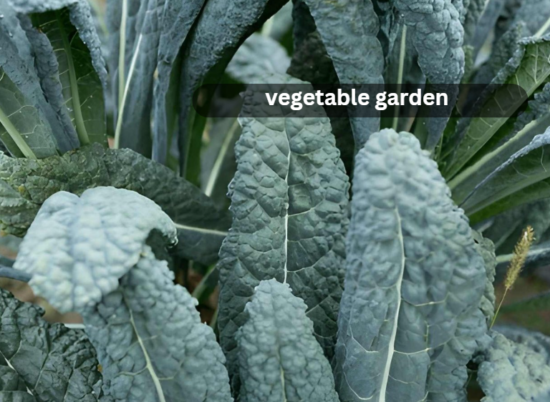
As the weather cools, many crops start doing better again. Spinach, kale, and carrots are great choices for this season.
In order to give them time to grow before it gets too cold, you must plant them early enough.
The benefit is fewer pests and better flavor. A small frost actually improves the flavour of some veggies.
If you plan it right, your vegetable garden can keep going long after summer ends.
Picking the Right Spot
Location can make or break your results.
The majority of vegetables require full sun. This translates to about six hours of sunlight every day.
Avoid areas where water sits after rain. Roots don’t like staying wet.
If your soil is not great, you can improve it with compost over time.
Try to keep your vegetable garden away from large trees. Tree roots take water and nutrients from your plants.
A good location saves you a lot of trouble later.
Raised Beds or Ground Soil
You don’t need anything fancy to start.
Raised beds give you more control. The soil drains better and warms up faster in spring.
They also facilitate weed control.
Planting in the ground works fine if your soil is decent. It also gives you more space.
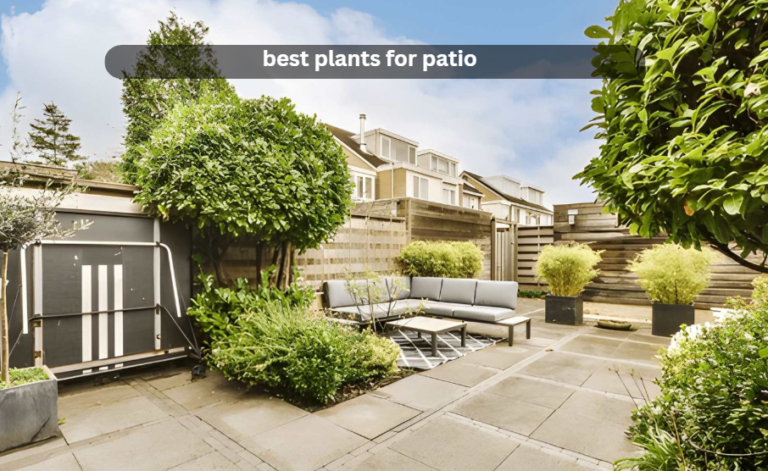
Containers are another option if you have limited room.
Choose what fits your space and budget. A vegetable garden can work in any setup if you manage it well. Even simple ideas from mygardenandpatio com can help you avoid early mistakes.
Watering and Basic Care
Watering is simple, but people still get it wrong.
Plants need steady moisture, not random watering. Deep watering works better than light daily watering.
Roots can be harmed by both too much and too little water.
It also helps to feed your plants. For most home gardens, compost is sufficient.
Keep things straightforward. Growing healthy plants doesn’t require a complex regimen.
Common Mistakes to Avoid
Most mistakes come from doing too much or too soon.
Planting early sounds like a good idea, but cold soil slows everything down.
Crowding plants is another common issue. It looks full at first, but it limits growth later.
Ignoring soil quality leads to weak plants.
Trying to grow too many crops at once can get overwhelming.
Start small. Learn from each season. Your vegetable garden will improve over time.
Simple Planting Plan
You don’t need a complicated system.
Start with cool crops in early spring. Move to warm crops after frost. Add quick crops in summer. Return to cool crops in fall.
Adapt to the local climate.
Note what you plant and when.That helps you improve each year.
Consistency matters more than perfection.
Concluding Remarks
Getting everything perfect the first time is not the goal of a vegetable garden.
It’s about learning what works in your space and sticking with it.
You might come across useful advice on www mygardenandpatio com or learn from approaches shared by mygardenandpatio robert.
What matters is that you keep going.
You plant, you learn, and you adjust.
That’s how a real vegetable garden grows.