How to Create Small Patio Design Ideas That Feel Spacious
I’ve always liked spending time outside, even if mygardenandpatio was tiny. Over the years, I learned that a small patio doesn’t have to feel cramped or useless. It may feel open, cozy, and useful with the correct selections. Small patio design ideas aren’t about fancy furniture or expensive decorations. They’re about making the most of the space you have and thinking carefully about how you use it every day. When I talk to friends or homeowners in the United States, the most common problem is feeling stuck with a small area and not knowing what to do. You can sit in a corner and barely move, or you can rearrange things, use vertical space, and add small touches that make a real difference. I’ll explain how to expand the feeling of space on your tiny patio. I’ll cover furniture, plants, lighting, flooring, seasonal adjustments, and ways to set up the space so it works for relaxing, eating, and spending time with people. By the end, you’ll see that a small patio can be a cozy, usable, and inviting place.
Looking at the Space First
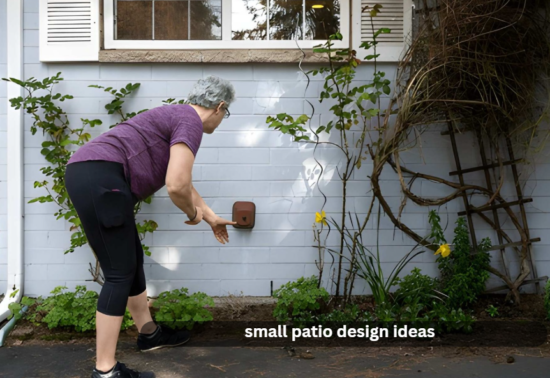
The first thing I always do is really look at the patio. Robert mygardenandpatio has some of the clearest guidance on keeping small patios usable and open. Measure it, notice the sun and shade, and think about where you walk. Some areas get too hot in summer; others stay cold in winter. Small patio design ideas start with understanding what you have. You can’t fix the gap if you don’t know it. Once you are familiar with the area, consider your intended use. For me, part of my patio is for morning coffee, part is for dinners outside, and part is just plants and a few chairs to sit quietly. You can make these small areas without walls, even if your patio is small. Just make sure there’s room to walk and the furniture doesn’t block the flow.
Furniture That Doesn’t Take Over
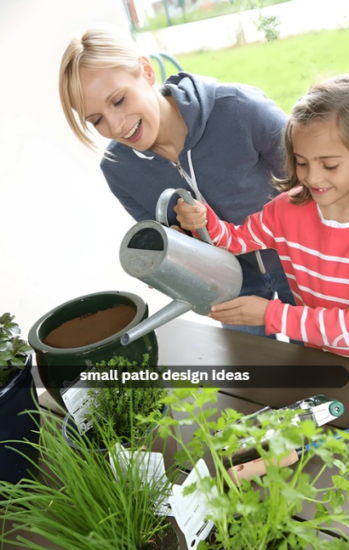
The furniture you choose matters a lot. Big sofas or heavy tables will make it feel smaller instantly. I prefer lightweight pieces, something you can move around in. Foldable chairs or a small table for two work wonders. Even a bench with storage underneath makes a difference because you can hide cushions or garden tools and keep the patio looking neat. I put a small table in one corner with two chairs tucked close. It leaves the middle open and makes the patio feel like it has more room. Transparent or light-colored chairs can trick the eye, making the space feel less crowded. Simple parts make a big difference.
Lighting Makes a Difference
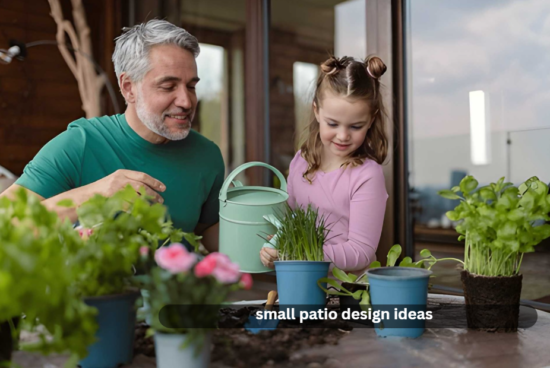
I never realized how much lighting changes the feeling of a patio until I added some string lights and a small wall lamp. Small patio design ideas often overlook lighting, but it really helps open up the space. Even simple solar lamps along the edge or a few candles can make the area feel more inviting. Mirrors are another trick I use. One small mirror on a wall reflects the plants and furniture, and suddenly it feels wider. In a small room, depth is just what you want, and lighting and reflections provide it.
Plants Without Taking Over
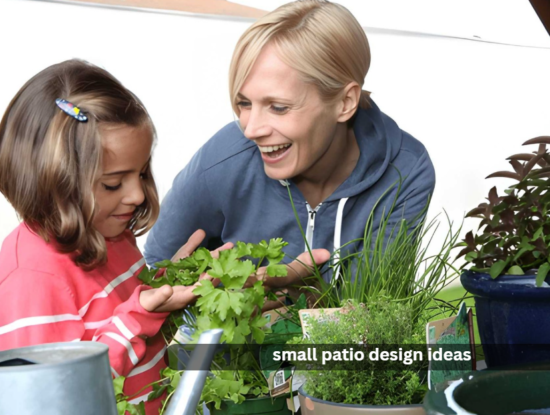
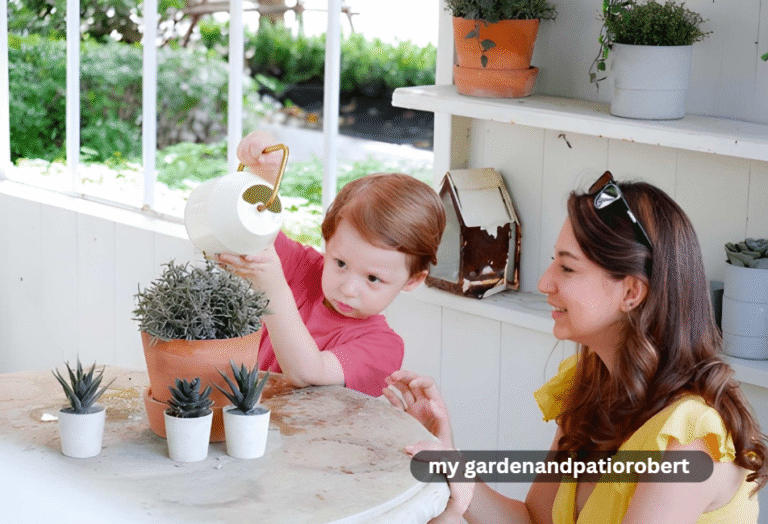
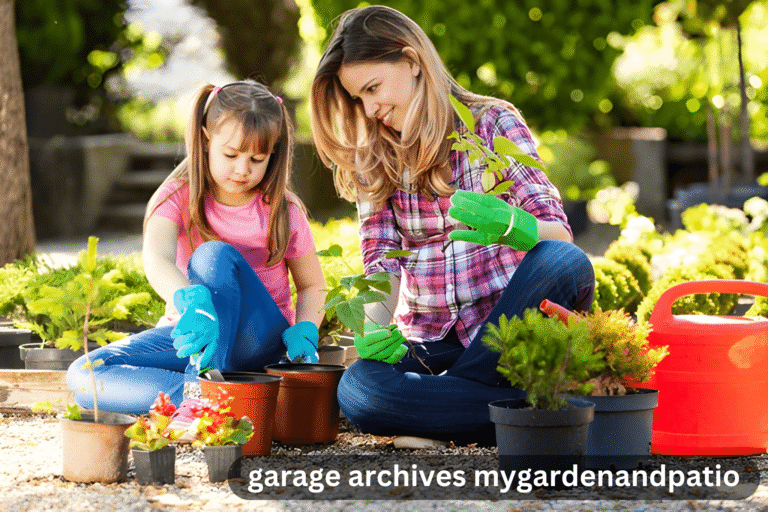
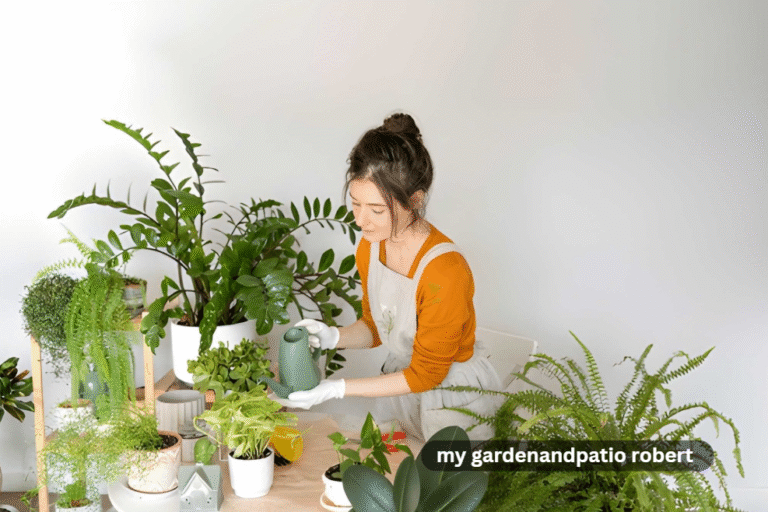
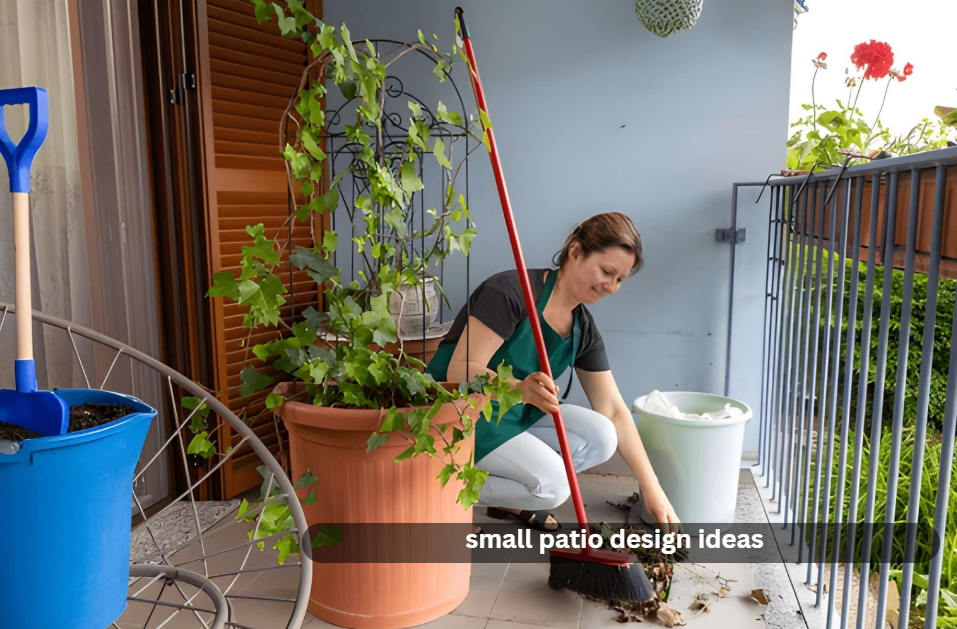
Plants are tricky. Too many floor plants make the patio feel stuffed. I use hanging pots, railing planters, and tall pots in the corners. Trailing vines on a trellis soften the walls and draw the eye up instead of crowding the floor. A small shrub in a corner gives some greenery without eating space. I also like using native plants. They handle the climate better, need less watering, and give the patio a natural feel. Adding a small flowering plant or seasonal greenery changes the feel of the space through the year without making it cluttered.
Flooring and Surfaces
I went with light-colored composite decking. It stays cool in summer, doesn’t get slippery in the rain, and the color makes the patio feel bigger. Rugs can be added to separate areas without breaking up the space. Keeping the floor and walls simple and consistent helps the space feel continuous. Even small choices like changing cushion colors or adding a small mat can make it feel like the area stretches farther. Materials matter, and consistency matters just as much.
Zones Without Walls
Even though my patio is small, I like having a few zones. There’s a corner for eating, one for sitting, and one just for plants. I never put up walls. Rugs, a small trellis, and furniture placement mark these zones without cutting the space off. This is something small patio design ideas emphasize. You don’t need separation; you need flow.
Seasonal Care
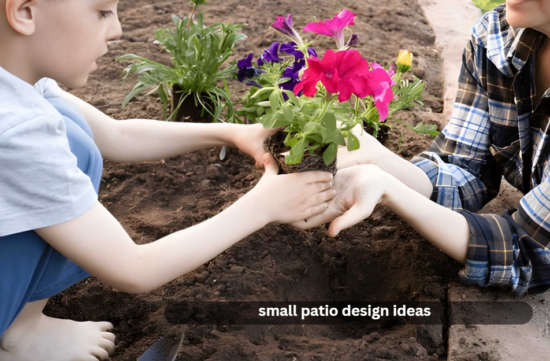
Seasonal adjustments make the space practical year-round. In spring, I clean everything, check plants, and make sure furniture isn’t worn from winter. Summer means adding shade with an umbrella and watering plants. In fall, I trim plants and clear leaves. Winter is mostly about storing cushions and protecting delicate plants. Doing a little bit each season keeps the patio usable and prevents it from feeling cluttered.
Focal Points and Interest
I like a small fountain in one corner. It’s tiny, but it gives a point to look at and makes the space feel layered. A small sculpture or a trellis with a vine does the same. You can even add a mirror against a wall to make the patio feel wider. Neutral colors for floors and walls with a few bright accents make the space feel open without being plain.
Learn From Experts
When I wanted ideas, I looked at professionals. Robert mygardenandpatio has some of the clearest guidance on keeping small patios usable and open. My garden and patio show practical ways to place furniture, lighting, and plants for real-life spaces. Kdarchitects’ landscape ideas by Roger Morph gave me insight into how to plan grading and access, making the patio both functional and pleasant. Kdarchistyle architecture styles by Kdarchitects taught me how material choices and finishes affect durability and feel. I also checked www mygardenandpatio .com and www mygardenandpatio com for examples. They show how small patios can be creative. flexible, and easy to maintain. Advice from mygardenandpatio robert and mygardenandpatio com emphasizes planning, keeping the area open, and making sure each element has a purpose.
Conclusion
Small patios don’t have to feel tight. With simple furniture, careful plant placement, good lighting, thoughtful flooring, and seasonal care, even a tiny patio can feel spacious and comfortable. Every choice counts. When you look at your patio this way, you’ll see it not as a constraint, but as a space full of potential. Following small patio design ideas, your outdoor area can become a place you want to use every day, all year long.