Why Organic Gardening Works Better for Your Garden
Organic gardening is something more people are slowly turning toward, especially in the United States. It works better over time in genuine home gardens, not because it sounds hip. People try it, notice the difference, and then don’t really go back.
Most home gardens struggle in similar ways. Soil gets weak after a few seasons. Although they grow quickly, plants do not last. No matter what you do, pests always return. So people end up depending on more and more products just to keep things running.
Organic gardening takes a different path. It focuses on soil first instead of chasing plant problems. At first, it slows things down, but below, it creates something more stable.
At first, it’s not always easy. The first season can feel uncertain. But once the soil starts improving, things shift. Plants respond better. Watering becomes easier. Problems don’t hit as hard as before.
This article explains why organic gardening works better for your garden and what actually changes when you stick with it.
What Organic Gardening Really Means
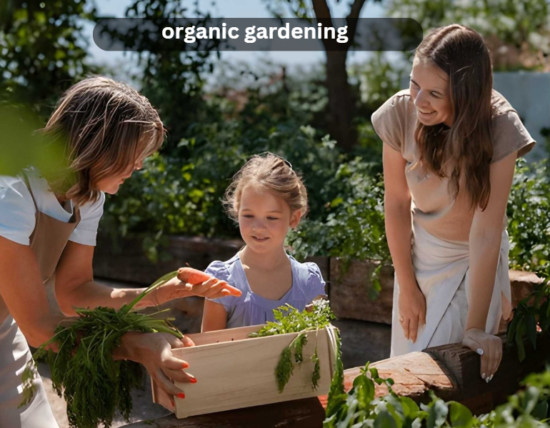
Organic gardening is just growing plants without synthetic chemicals. That is the simple version.
But in real life, it is more about patience and balance. You give up attempting to manage every small detail. You support the garden instead of forcing it.
Most of it comes down to basics. Good soil, compost, and not disturbing natural life too much. That alone changes a lot.
Some people pick up these habits from places like mygardenandpatio where things are explained in a simple way instead of overcomplicated gardening talk.
The main shift is how you look at problems. If a plant is weak, you don’t just treat the plant. You look at the soil. If pests show up, you don’t rush to remove everything.You wonder why they are there in the first place.
It feels slow at first. But it builds a more stable system.
Healthy Soil Is the Real Foundation
Soil is everything in gardening, even if people ignore it at first.
In organic gardening, soil is treated like something alive. It is not just dirt. It has life in it. Tiny organisms break things down and feed the plants naturally.
Composting is the easiest way to improve it. Food scraps, dry leaves, yard waste. All of it slowly turns into something useful.
People like robert mygardenandpatio often say the same thing in different ways. If the soil is right, most of the problems disappear on their own.
That is usually true.
Good soil holds water better. It drains better too. Roots grow deeper without effort. Plants don’t struggle as much during heat or dry days.
Over time, soil stops being something you fix every season. It becomes something that improves on its own.
That is a big change in how gardening feels.
Stronger Plants Without Chemicals
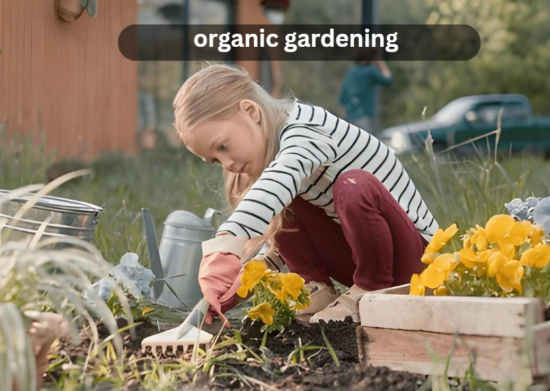
Plants grown in organic gardens behave differently.
They don’t shoot up quickly like they do with strong fertilizers. Growth is more consistent yet slower.
That may initially seem like nothing is happening. But under the soil, roots are building strength.
Those roots matter more than anything else.
Stronger roots mean plants can handle stress better. Heat waves, cold nights, or small pest attacks don’t knock them down easily.
Some gardeners using www mygardenandpatio .com style methods notice their plants don’t collapse mid season anymore. They just keep going.
You also stop depending on constant feeding. The soil handles most of it.
It feels less like forcing plants and more like supporting them.
Natural Pest Control That Works
Pests are always part of gardening. There is no way around that.
Organic gardening just deals with them differently.
Instead of trying to remove everything, it tries to balance things out. When the garden is healthy, pests don’t take over as easily.
You start seeing helpful insects too. They quietly handle a lot of the work.
You still step in when needed. Sometimes you remove pests by hand. Sometimes you use simple natural sprays.
Nothing complicated.
People who follow www mygardenandpatio com often say the same thing after a while. The first season has more issues. After that, things settle down.
It is not about no pests. It is about control that does not feel like constant fighting.
Better Nutrients in Homegrown Food
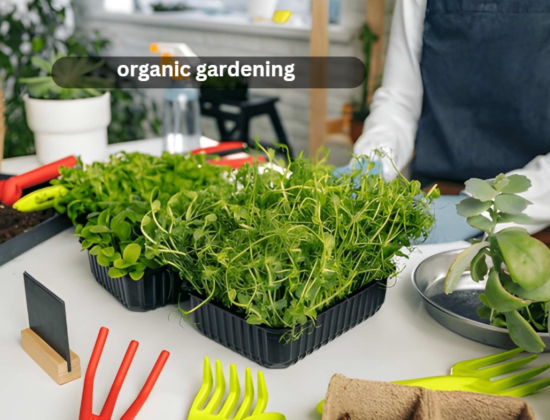
One of the easiest things to notice is taste.
Food grown this way feels different. Tomatoes taste richer. Herbs feel stronger. Even basic greens feel more alive.
It comes from how plants grow. They take nutrients slowly from the soil instead of being pushed.
There is also less worry about what is on the food. No chemical residues to think about.
The soil plays a big role here too. When it is healthy, plants get a wider range of nutrients naturally.
For many families, this becomes the main reason they stay with organic gardening.
It just feels better to eat something you grew in a clean system.
Long Term Cost Benefits for Gardeners
At the beginning, organic gardening can feel like it needs more effort than money savings.
But that changes over time.
Once the system is running, you don’t buy as many products. Compost replaces fertilizers. Natural methods replace sprays.
A lot of what you need is already around you. Kitchen waste becomes compost. Yard waste becomes mulch.
Some gardeners who follow mygardenandpatio com say they barely spend anything extra after the first year.
The true savings are found there.
You stop buying solutions and start building your own system.
Environmental Benefits in Your Backyard
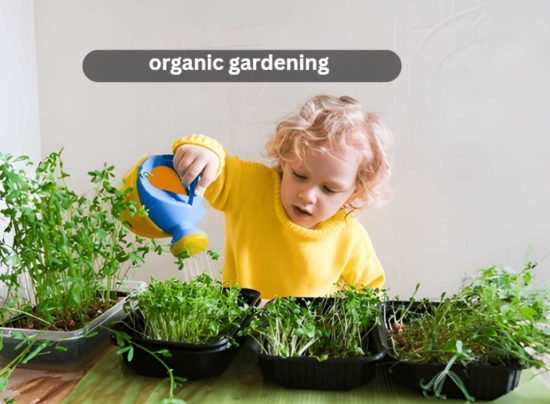
Organic gardening also helps the environment in small but real ways.
It reduces chemical use in soil and water. That alone makes a difference over time.
It also brings more life into your garden. Bees, butterflies, and birds start showing up more often.
Healthy soil also holds more carbon. It is a slow process, but it matters.
Even a small backyard garden adds to that effect.
When more people do it, the impact becomes larger.
Why Organic Gardens Become Easier Over Time
This is something most people don’t expect at first.
It gets easier.
Not right away. The first season can feel like learning something new. But after that, things start to settle.
Soil improves. Plants get stronger. Problems don’t show up as often.
You stop reacting all the time and start maintaining instead.
That shift changes everything.
Organic Gardening vs Conventional Gardening
Conventional gardening gives fast results. That is its main advantage.
But it often needs constant input to keep going.
Organic gardening is slower, but it builds stability.
For home gardens, stability usually matters more than speed.
You want something that keeps working, not something you have to fix every week.
That is where organic gardening stands out.
Common Mistakes in Organic Gardening
Most mistakes come from expecting quick change.
People think results should show fast. When they don’t, they give up too early.
Overwatering is another common issue. Healthy soil already holds moisture, so too much water becomes a problem.
Plant spacing also matters. Crowded plants create stress and attract pests.
These seem like small things, yet they have a significant impact.
Once you adjust them, things usually improve quickly.
How to Start Organic Gardening at Home
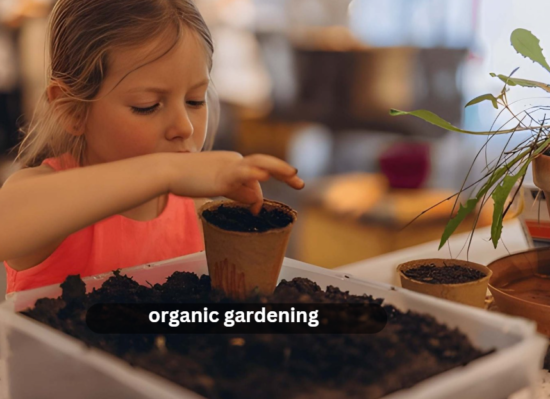
Start small. Don’t overthink it.
Focus on soil first. Add compost and organic matter. Stop using harsh chemicals.
Pick a few plants that match your area. Don’t try to grow everything at once.
Watch your garden. Learn from it. Adjust slowly.