Kitchen Gardening Ideas for Fresh Herbs and Vegetables
Fresh herbs and vegetables can change everyday cooking. The taste feels cleaner, the smell is stronger, and meals feel more personal. For this reason, kitchen gardening is becoming more popular throughout the United States. It does not require a big backyard or expensive tools. A small corner, a few containers, and some care are enough to get started.
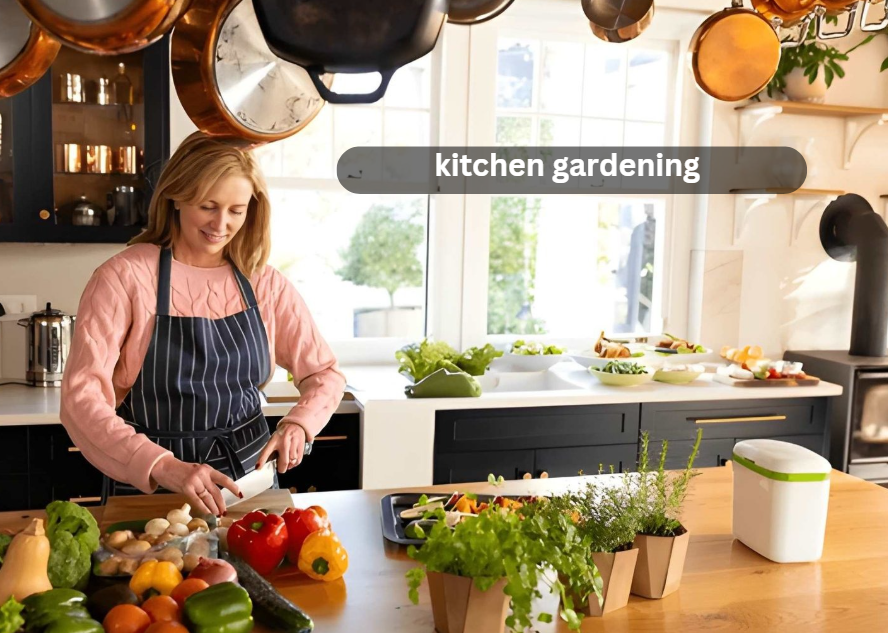
Kitchen gardening focuses on growing what you actually use. Herbs like basil and mint, simple vegetables like lettuce and peppers, all within easy reach. It fits busy routines and small living spaces. Many people grow plants on windowsills, balconies, or small patios without any stress.
This guide covers practical kitchen gardening ideas that work in real homes. You will learn how to choose the right plants, set up your space, and avoid common mistakes. The goal is to help you grow fresh herbs and vegetables in a simple and reliable way.
What Kitchen Gardening Really Means
Kitchen gardening is about growing small amounts of food close to where you live. It is not about large harvests. It is about convenience and freshness. When you need something, you grow it.
Unlike traditional gardening, this approach focuses on small spaces. It works well in apartments, townhouses, and suburban homes. You can grow herbs near your kitchen window or vegetables on a small patio.
In the US, this style has become popular because people want fresh food without relying fully on stores. Kitchen gardening also gives control over how food is grown. No chemicals, no long storage times.
A simple setup often works best. A few pots, good soil, and enough light. Many beginners overcomplicate things. Simple methods tend to last longer and give better results.
Benefits of Kitchen Gardening at Home
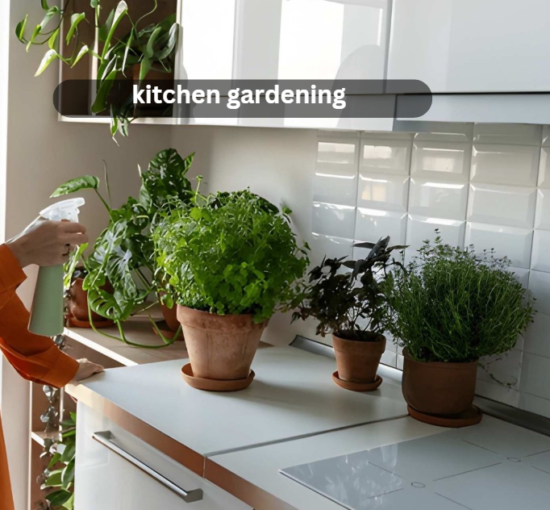
The biggest benefit is freshness. Herbs lose flavor quickly after harvest. When you grow them at home, you pick them right before cooking. That makes a real difference.
Another benefit is cost savings over time. Buying fresh herbs regularly adds up. A small plant can produce for weeks or even months. Many home growers notice the savings within a single season.
Kitchen gardening also reduces waste. You only pick what you need. No more throwing away wilted herbs from the fridge.
It has a mental component as well. Taking care of plants creates a feeling of consistency. It helps slow things down, even in a busy day.
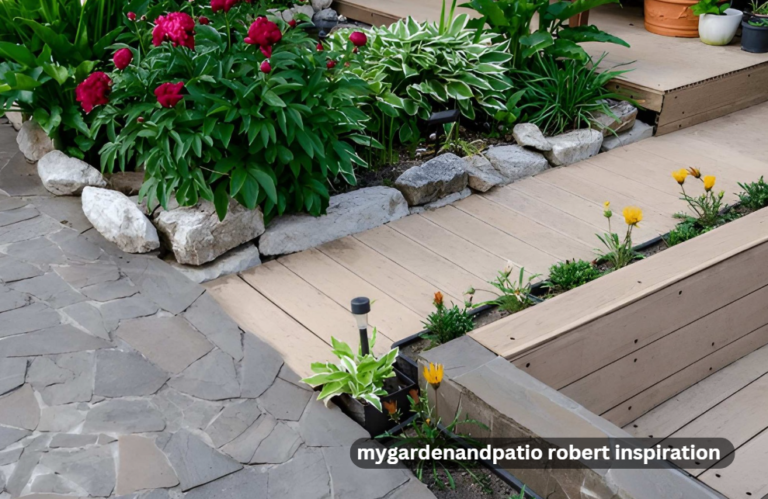
Some gardeners follow ideas shared by robert mygardenandpatio, where the focus stays on simple systems that do not require constant attention. That approach works well for beginners.
Choosing the Right Location
Location decides success more than anything else. Plants need light. Without it, growth becomes weak and slow.
The majority of herbs require six hours or more of sunlight per day. A south facing window usually works best in US homes. A basic grow lamp can be useful if natural light is scarce.
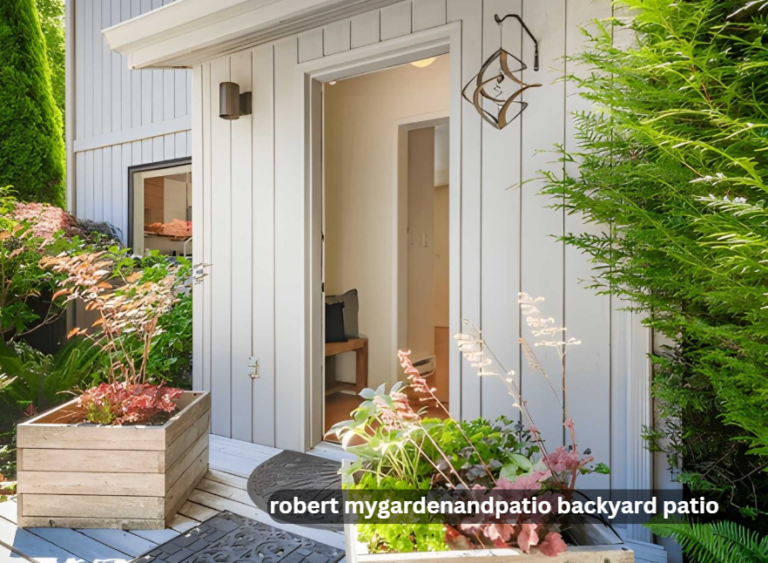
Outdoor spaces like balconies or small patios give more flexibility. Even a small area can support several containers.
Airflow also matters. Plants need fresh air to stay healthy. Avoid placing them in closed, dark corners.
Temperature plays a role too. Most herbs grow well in normal indoor conditions. Plants can be harmed or their growth slowed by extreme heat or cold.
Best Herbs for Kitchen Gardening
Herbs are the easiest place to start. They don’t require much room and grow quickly.
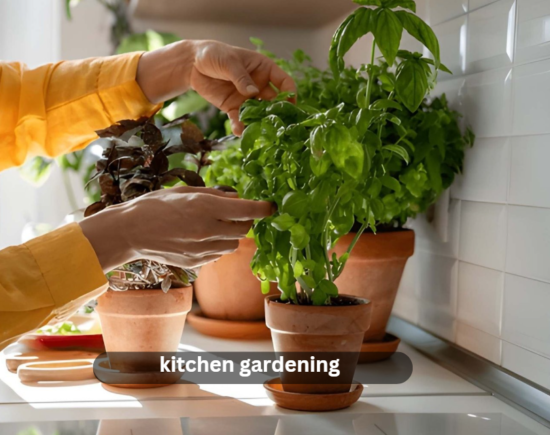
One of the most common options is basil. It grows well indoors and produces quickly. Mint is another strong option. It spreads fast and needs its own container.
Parsley and cilantro work well for cooking and grow in small pots. Chives are also easy and require very little care.
These herbs are commonly recommended by platforms like mygardenandpatio because they adapt well to beginner setups.
Starting with two or three herbs is crucial. Neglect frequently results from trying too much at once. A small, focused setup is easier to manage and more rewarding.
The Greatest Vegetables for Compact Spaces
If chosen wisely, vegetables may grow in small places. Not all crops need large areas.
Lettuce is a good starting point. It can be harvested several times and develops rapidly. Spinach also works well in containers.
Cherry tomatoes are popular for small gardens. They need sunlight and support but produce well. Peppers are another reliable option.
Radishes grow fast and are ideal for beginners. Green onions can regrow from kitchen scraps, which makes them very practical.
Many home gardeners share their setups on www mygardenandpatio .com, where small container systems show how much food can come from limited space.
Container Gardening Ideas That Work
Containers are the backbone of kitchen gardening. They give flexibility and control.
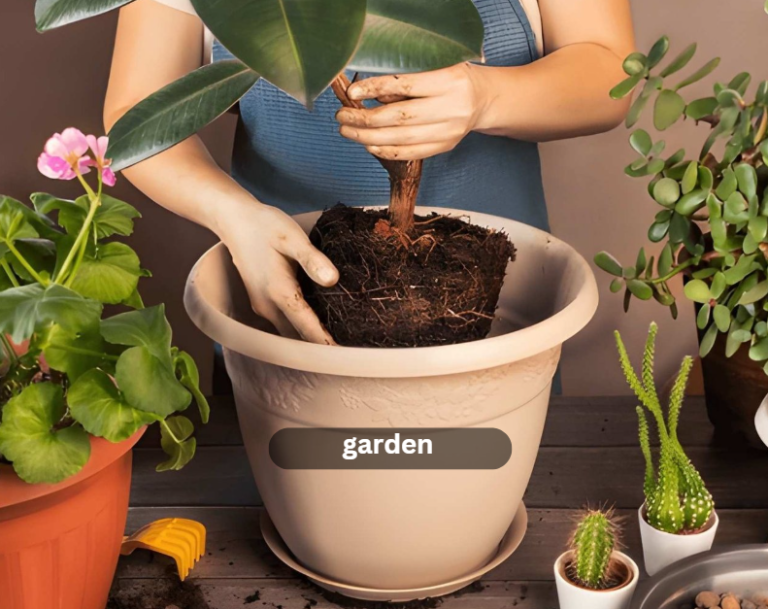
Clay pots are common, but plastic containers hold moisture better. As long as drainage is adequate, both are effective. Without drainage holes, roots can rot quickly.
Size matters. Small herbs can grow in compact pots, but vegetables need deeper containers. Choosing the right size prevents growth problems later.
The quality of the soil is equally crucial. For containers, regular garden soil is too dense. A light potting mix allows roots to grow freely.
Some gardeners follow tips shared on www mygardenandpatio com, where container depth and soil mix are explained in simple ways.
Vertical Kitchen Gardening Ideas
Vertical gardening helps when space is limited. Instead of spreading out, plants grow upward.
Wall mounted planters are a simple option. They hold small herbs and keep them within reach. Hanging baskets also work well for trailing plants like mint.
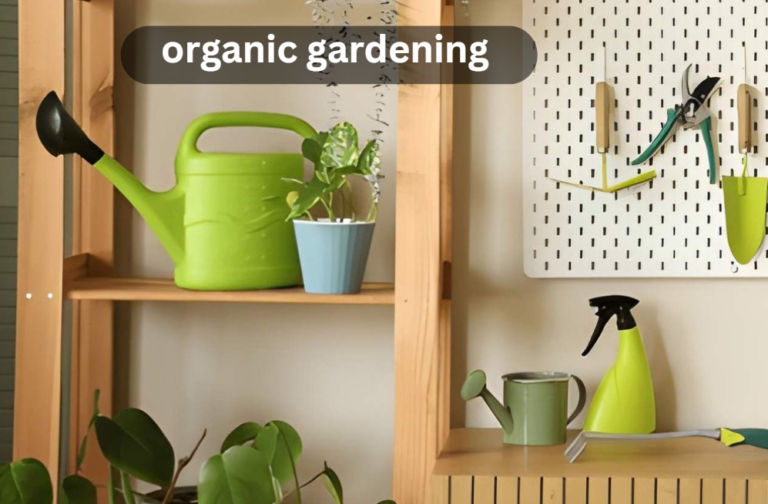
Shelves can hold multiple layers of plants. This setup works well indoors near a window.
Vertical systems are useful in apartments where floor space is limited. They also produce a tidy and well-organised appearance.
This approach is often linked with ideas from mygardenandpatio robert, where small spaces are used more efficiently without adding complexity.
Soil and Watering Basics
Soil and water decide plant health. Good soil supports strong roots. Poor soil leads to weak growth.
A basic potting mix works well for most herbs and vegetables. It should drain well but still hold some moisture.
Watering is where many beginners struggle. Too much water is a common mistake. Air is just as important to roots as water.
Examining the soil before watering is the best approach. It’s time to water if the top layer feels dry. If it still feels moist, wait.
Different plants have different needs. Herbs like basil need more water than rosemary. Learning these small differences improves results over time.
Indoor Kitchen Gardening Setup
Indoor setups need a bit more attention. Light becomes the main factor.
Windowsills are the easiest place to start. They provide natural light and are easy to access.
LED grow lights can promote plant development in situations where sunlight is scarce. They do not use much energy and are easy to install.
Temperature should stay stable. Most herbs prefer moderate indoor temperatures.
Many beginners follow simple indoor setups shared on mygardenandpatio com, where the focus stays on easy maintenance rather than complex systems.
Common Kitchen Gardening Mistakes
Mistakes are part of the process, but some can be avoided early.
The most frequent problem is overwatering. Weak plants and root issues result from it.
Selecting plants that are incompatible with the surroundings is another error. Some herbs need more light than others.
Using the wrong containers also causes problems. Without proper drainage, plants struggle to survive.
Trying to grow too many plants at once often leads to failure. Starting small gives better results and builds confidence.
Smart Tips to Get More Harvest
Getting more from your plants does not require extra effort. It requires better timing.
Regular harvesting encourages plants to grow more. When you trim herbs, they produce new leaves.
Succession planting helps keep a steady supply. You plant in phases rather than all at once.
Using fresh soil every few months keeps nutrients available. Plants grow better when soil stays healthy.
A simple routine works best. Check plants daily, water when needed, and harvest regularly.
Unique Kitchen Gardening Ideas
Some ideas can make kitchen gardening more useful and interesting.
Microgreens are one example. They grow quickly and are packed with flavor. You can harvest them within weeks.
Mixing herbs with decorative plants adds visual appeal. It turns your growing space into part of your home design.
Reusing kitchen scraps is another practical idea. Green onions and lettuce can regrow from leftovers.
Small changes like these make the process more engaging and sustainable.
Conclusion
Kitchen gardening is not about perfection. It is about growing what you can with the space you have. A few veggies, a few herbs, and a straightforward regimen can have a significant impact.
Fresh food at home feels different. It tastes better and reduces dependence on store bought produce. More significantly, it provides a feeling of satisfaction and control.
Begin modestly. Acquire knowledge along the way. Your kitchen gardening system will develop organically over time.