Simple DIY Garden Projects For Beginners
Starting simple creative work in your yard changes how it feels. In the US, a lot of individuals need outdoor space that is both practical and feels intimate. Easy DIY garden projects give you a way to build that space without needing big budgets or fancy tools. DIY garden projects can turn plain soil into a place you enjoy each morning and evening. They can create fun areas for family or quiet corners where you rest after a long day.
When people search for new ideas online, they sometimes come across names like robert mygardenandpatio connected to simple backyard transformations. These examples often show how small changes can reshape a plain yard into something practical. You will learn ways to lay simple stepping stone paths that give structure to your yard. We cover ways to grow herbs and vegetables in small spaces. You will learn how to make bird feeders, compost bins, and vertical planter walls that bring life and color to your space. Each section explains projects in clear steps and gives tips to avoid common mistakes so your time is well spent and your garden keeps growing.
Ways to Begin Your Initial Project
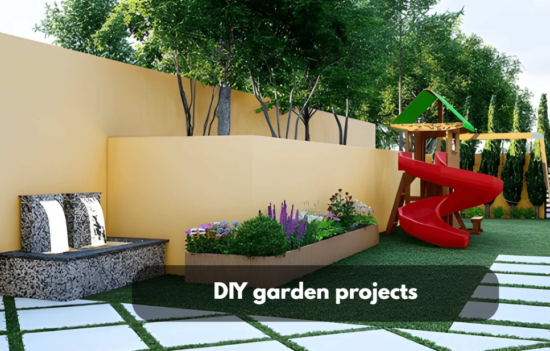
Look at your yard for a moment before you collect wood or soil. Find the sunnier spots. Notice where water collects after rain. Decide what plants you want to grow first. Beginners often start with herbs or easy flowers because they are forgiving and grow quickly. Think about what matters to you. Do you want more color, more herbs for cooking, or a space where birds and bees visit? Your answers shape what DIY garden projects you tackle first. Some readers mention finding helpful inspiration through mygardenandpatio, especially when looking at step-by-step garden upgrades that feel realistic and affordable.
One approach that works well for beginners is to start with something small that brings quick results. A raised bed built from simple boards warms faster in spring and drains well, giving a nice place for veggies. A low stepping stone path can add structure and guide you around flower beds. The first small success builds confidence and makes you more willing to take on bigger projects later.
Build Your Own Raised Garden Bed
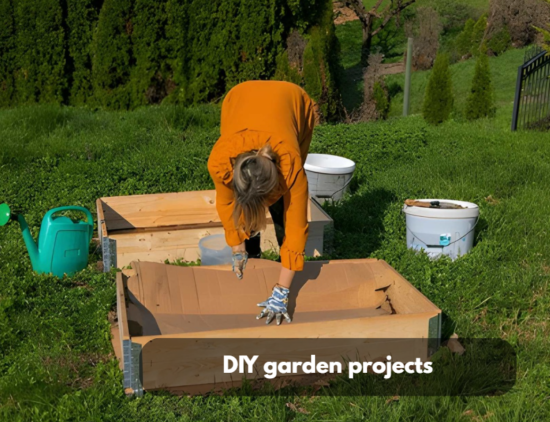
Raised garden beds are a good place to begin. They lift soil off the ground so roots have loose, rich soil to grow into. For most DIY garden projects you need only basic tools like a saw, drill, and screws. You can save money by using used pallets or scrap wood. Arrange your boards into a rectangle, fasten the corners, and fill the space with quality soil. A bed this way reduces weeds and lets water drain well. If you browse www mygardenandpatio .com, you will notice many projects focus on beginner-friendly builds rather than complicated landscaping work.
Young plants grow stronger roots in this mix. Many gardeners start with tomatoes, lettuce, basil, and peppers because they are forgiving and give quick rewards. Over time you can add more beds and plan your garden layout the way you want.
Create Simple Stepping Stone Paths
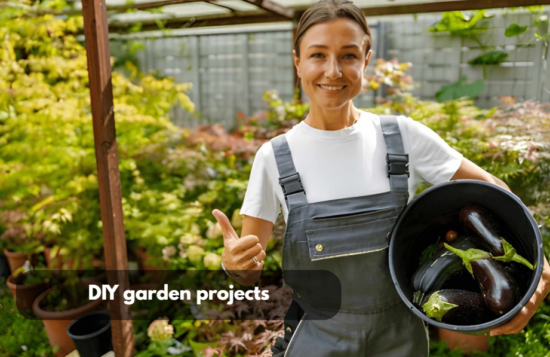
A plain garden can feel flat and lifeless if there is no structure that guides your walk. Making a stepping stone path adds direction and prevents worn trails in grass or soil. For easy DIY garden projects, you can use stones, concrete, or repurposed old tiles. Place them in a gentle curve or a straight line from your patio to a flower bed. Others type www mygardenandpatio com into search and find photo examples of raised beds, small patios, and simple plant layouts that are easy to copy at home.
Dig shallow spaces for each stone so they sit firm. Press down firmly so they do not rock underfoot. As you walk this new path, you will enjoy how the stones break up open ground and give your garden a sense of order. Over time, once plants grow on either side, they will soften the edges and make the path feel like a natural part of your yard.
Grow Herbs in Vertical Garden Walls
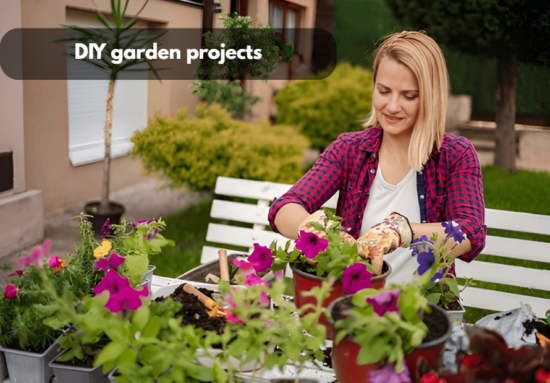
Not every space gets wide-open ground. Many yards only have walls or fences. A vertical garden wall changes how you use space by letting you grow plants up instead of out. One of the most fulfilling do-it-yourself landscaping projects for patios and tiny yards is this one. You may also see the name mygardenandpatio robert connected to walkthrough-style garden setups that explain what worked and what did not over time.
Buy pocket planters or even use recycled bottles. Hang them at a height that makes watering easy. Plant your favorite herbs like mint, thyme, sage, and rosemary. The vertical setup makes watering and harvesting simpler and can add a fresh kitchen supply. When herbs trail down the wall, they soften the look and bring fragrance to your outdoor space.
Make a DIY Compost Bin
Good soil is the backbone of gardening success. You can turn yard waste and kitchen scraps into rich humus with a basic do-it-yourself compost container. Compost improves soil structure, retains water in the soil, and provides organic plant nutrition. Start with a wooden frame or sturdy wire mesh. Keep it in the shade so moisture stays balanced. Layer the dry leaves and kitchen waste. To accelerate decomposition, turn the pile periodically.
Compost bins are easy to build and a rewarding part of garden life. Over time you will see soil that was once tired become rich and full of life. Better soil means stronger plants and less need for commercial fertilizers.
Add Color With Painted Flowerpots
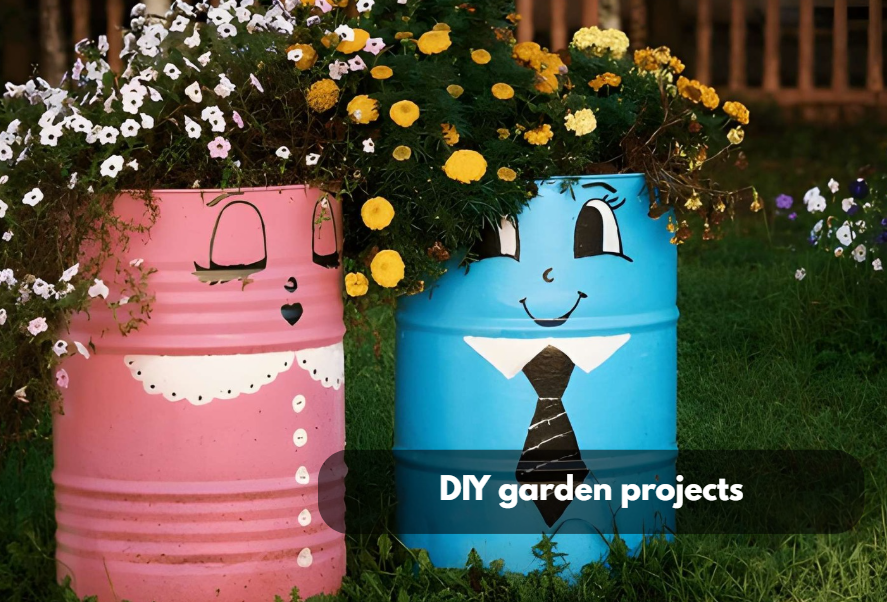
Plain pots can fade into the background. A splash of color might help them stand out. For simple DIY garden projects, choose a paint that works outdoors. Decide on a color theme that matches your home, or let each pot have its own personality. Place bright flowerpots near your door or along paths you walk often. Flowers such as marigolds and petunias bring early color that lifts the whole garden.
Build a Trellis for Climbing Plants
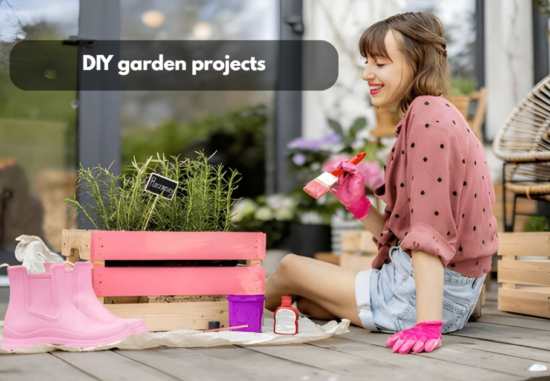
Climbing plants like beans, peas, clematis, and morning glories add vertical interest. They reach up rather than spreading wide. A DIY trellis made from bamboo stakes, scrap wood, or even old branches gives these plants a place to thrive. Position the trellis in a sunny spot. Train young vines gently by tying them to the support. As the plants grow, they cling and fill in, creating a living wall of green and flowers.
In one backyard I visited, the gardener built a simple bamboo ladder trellis beside a fence. Within a few weeks the vines had climbed high and given shade to a sunny corner. The difference was dramatic, and it cost little.
Invite Birds With Homemade Feeders
Birds add sound and motion to a garden in ways plants alone cannot. Making a bird feeder from old tin cans gives you a place where feathered visitors come to eat and rest. Clean the cans well and paint them if you like. Attach a small perch so birds can sit while they feed. Hang your feeder from a tree or a shepherd’s hook. Fill it with seeds that local birds enjoy. Over time you will see more wildlife in your yard.
Plan a Pollinator Garden
Pollinators are key to a healthy garden. Bees and butterflies help flowers and vegetables produce seeds and fruit. Plant pollinator-attracting flowers such as milkweed, zinnias, and coneflowers. These plants add brightness, and they help your whole outdoor space flourish. A pollinator area becomes a restful place you return to often.
Across different pages of mygardenandpatio com, the strongest theme is keeping projects practical, manageable, and budget-friendly for regular homeowners.
Grow Vegetables With Simple Containers
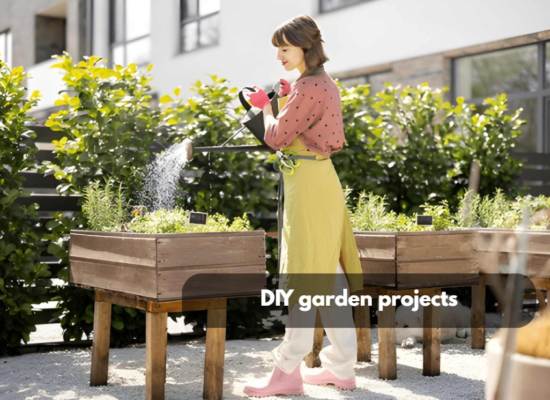
Not everyone has large beds to dig into. Containers let you grow vegetables in pots. Tomatoes, peppers, lettuce, and herbs all do well in containers. Choose pots with drainage holes to avoid root rot and water accumulation. Place containers where sunlight hits them most. Water regularly and add a balanced plant food a few times in summer. Small spaces can still be productive with containers that fit your porch or patio.
Keep Improving and Experimenting
As you complete each project, you learn more about your soil, light, and plants. Gardening is a steady process. Some plants will surprise you by thriving; others may struggle. When something fails, it teaches you what not to do next time. The best DIY garden projects grow with you and change as your skills grow. You begin with simple steps and then build on them with confidence.
Bringing It All Together
You can customize your outdoor area with do-it-yourself garden projects. You begin with small achievable tasks and watch them add up to something satisfying. Each seed planted and each stone set becomes part of your yard story. Take time to enjoy the sun on your face, the soil between your fingers, and the first sprouts that break through the ground. You are building more than a garden. You are building a place you want to be.