Easy Backyard Garden Tips for Beginners
A lot of people start a backyard garden with good intentions. They plant a few seeds, water them, and expect things to grow. Then something goes wrong. Plants stop growing. Leaves look weak. Some don’t grow at all.
That’s where most beginners get frustrated.
The problem usually isn’t effort. It lacks the fundamentals. A backyard garden needs the right spot, decent soil, and a simple routine. Even healthy plants suffer without it.
To perform this correctly, you don’t have to be an expert. You just need a clear starting point.
In many parts of the United States, weather can change fast. Every location has a particular type of soil. So instead of trying complicated methods, it’s better to follow simple steps that work almost anywhere.
This guide simplifies the process. You’ll learn how to pick the right place, choose plants that are easy to grow, and take care of them without overthinking it. It also covers mistakes that beginners make early on.
Your backyard garden is considerably more likely to succeed if you keep things simple.
Choose a Spot That Gets Enough Sun
Before you plant anything, look at your yard.
Not every area works for a backyard garden. Some spots look fine but don’t get enough sunlight during the day.
Most plants need steady sunlight. Around six hours is usually enough. Observe the sun’s path across your garden. Check once in the morning and once more in the afternoon. You’ll notice some areas stay bright longer than others.
That’s where your garden should go.
Try to avoid planting close to large trees. They block sunlight and take nutrients from the soil. Plants placed too close often grow slowly.
Flat ground is easier to manage. Water spreads evenly, and you don’t deal with runoff. You may need to change the location of your plants if your yard slopes.
Problems can also arise from wind. Plants are harmed by strong winds that dry out the soil. A wall or fence can help reduce that.
Taking one day to observe your yard saves you a lot of trouble later.
Don’t Start Too Big
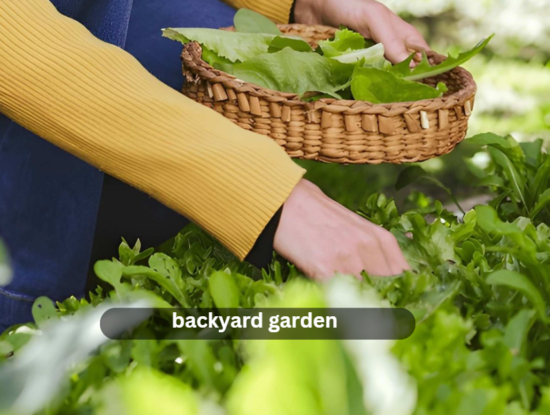
It’s tempting to plant a large backyard garden right away. More plants feel like better results.
But that usually backfires.
A big garden takes time. Watering, checking plants, pulling weeds. It adds up fast. Beginners often get overwhelmed and stop halfway.
Start small instead.
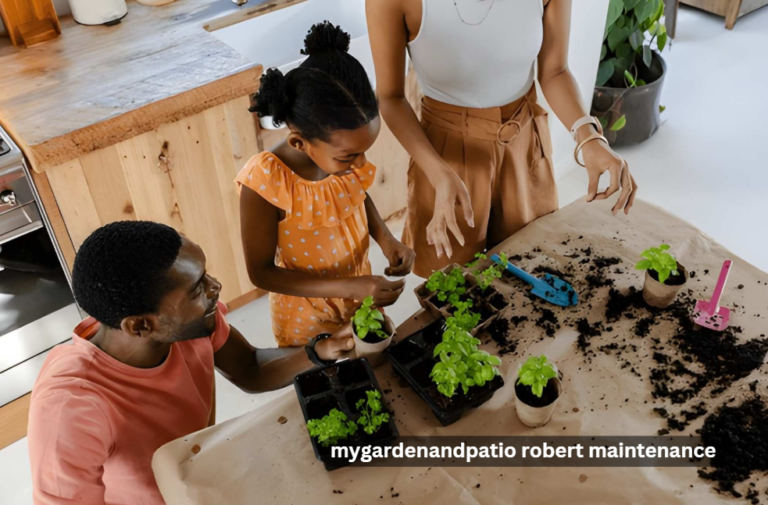
Even a few plants are enough to begin. This gives you space to learn without pressure. You’ll notice how soil dries, how plants respond, and what needs fixing.
There’s a reason experienced gardeners say this often. As mentioned in robert mygardenandpatio, small setups are easier to control and give better results early on.
Once you get comfortable, you can grow more. But in the beginning, less is better.
Fix Your Soil Before You Plant
Soil is one thing many beginners ignore.
They plant directly into the ground and expect it to work. Sometimes it does. Most times it doesn’t.
Pick up some soil and feel it. If it’s too hard, roots can’t grow easily. If it feels sticky, it may hold too much water.
Good soil should feel loose. Slightly moist, not dry or muddy.
The easiest fix is compost. You don’t need anything fancy. Even simple organic waste can improve soil over time.
Before planting, incorporate compost onto the top layer. This helps roots spread and absorb nutrients better.
You’ll notice the difference later. Plants grow faster and look healthier.
Many tips shared on mygardenandpatio focus on this step for a reason. Strong soil reduces problems later.
Choose Plants That Are Easy to Handle
Not every plant is beginner friendly.
Some need careful timing, exact watering, or special soil. Starting with those usually leads to frustration.
Go with simple options.
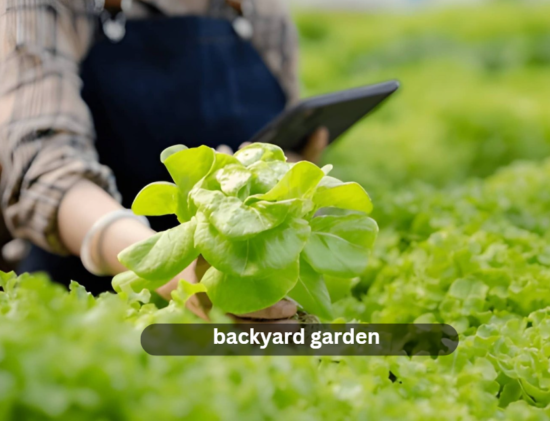
Leafy greens grow fast and don’t need much space. Herbs are also easy and useful. You can grow them in small areas without much effort.
If you want vegetables, start with a few plants. Don’t fill your whole yard.
Healthy starter plants are easier than seeds. They reduce early errors and provide you an advantage.
Keep your choices simple. That alone improves your chances.
Pay Attention to Weather and Timing
Timing matters more than people think.
Planting too early can slow growth. Planting too late can shorten the growing period.
The United States experiences a wide range of weather conditions. Some places warm up early. Others stay cold longer.
Don’t rely only on dates. Check the temperature. Soil should feel warm enough for planting.
Cold soil can delay growth even if the air feels fine.
If you’re unsure, waiting a little helps. Plants grow better when conditions are right.
This simple step saves time and effort.
Water Without Overdoing It
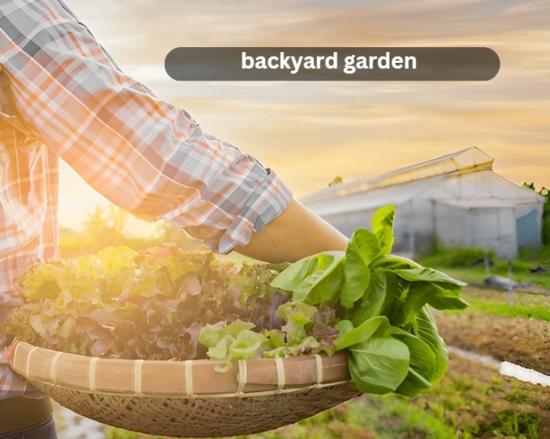
Watering sounds easy, but it’s where many beginners go wrong.
Too much water can damage roots. Too little can dry plants out.
You must maintain equilibrium.
Prior to irrigation, inspect the soil. Insert your finger into the ground. It’s time to water if the underside feels dry.
Morning is the best time. Plants use water better early in the day.
Avoid watering late at night. Wet leaves can cause problems over time.
Many beginners water on a fixed schedule. That doesn’t always work. Soil dries at different speeds.
Guides like www mygardenandpatio .com often point out that overwatering is more common than underwatering.
Watch the soil, not the clock.
If space is limited, try containers
A large garden is not necessary to begin.
Containers work well for a backyard garden, especially in small spaces.
Pots can be moved around. You can adjust sunlight easily. This helps if your yard has uneven light.
Make sure water can drain out. Without drainage, roots can sit in water and rot.
Use proper potting mix. Regular soil can get compact in containers.
Containers are easier to control. Less weeding, easier watering, and fewer problems overall.
This is frequently the easiest choice for novices.
Give Your Plants Space
Spacing matters more than it seems.
Plants compete with one another for nutrients and water when they are too close. Growth decelerates. Some plants continue to be feeble.
Make sure there is adequate room between each plant.
Consider height as well. Smaller plants may be blocked from sunlight by taller ones.
Plan this before planting. Moving plants later can stress them.
Simple layout ideas shared on www mygardenandpatio com focus on keeping space clear and easy to manage.
A little planning here makes everything easier later.
Deal With Problems Early
Every garden has weeds and pests.
The key is to catch them early.
Weeds grow fast. If you leave them, they take over space and nutrients. Pull them out while they are small.
Check your plants often. Look at leaves and stems. Small changes can be early signs of trouble.
Small numbers of pests are easy to manage. If necessary, remove them by hand.
Advice from mygardenandpatio robert often highlights early action as the easiest way to avoid bigger issues.
Don’t wait for problems to grow.
Keep a Simple Routine
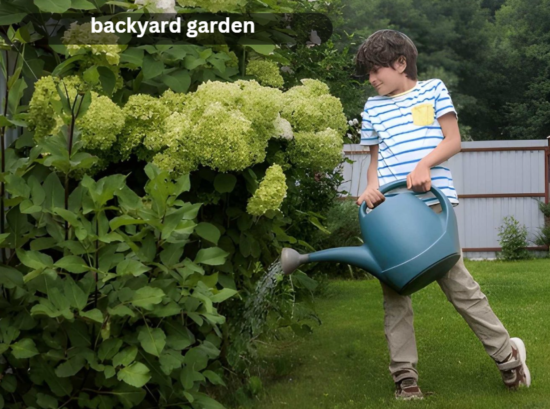
You don’t require hours each day.
If you are consistent, a few minutes will suffice.
Check your backyard garden daily. Look for dry soil, damaged leaves, or weeds starting to grow.
Water when needed. Remove small problems early.
That’s it.
This develops into a habit over time. You won’t have to give it much thought.
Simple routines work better than doing everything at once.
As demonstrated on mygardenandpatio.comhttps://robertmygardenandpatio.org/mygardenandpatio-com/
, consistent care produces superior long-term outcomes.
Final Thoughts
A backyard garden doesn’t need to be complicated.
The majority of issues arise from doing too much too quickly or omitting crucial procedures.
Start small. Fix your soil. Choose easy plants. Watch your watering.
Stay consistent.
That’s what makes the difference.
With time, you’ll understand your space better. Your backyard garden will improve, and the process will feel easier.