A Practical Guide to Successful Outdoor Gardening
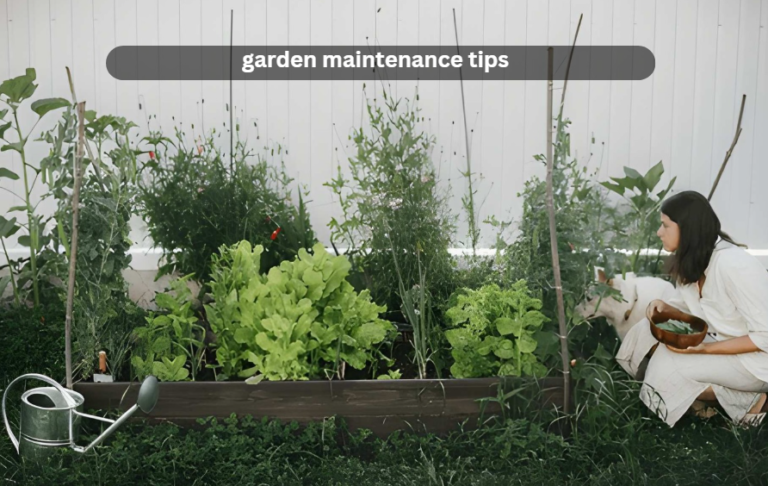
Outdoor gardening starts simple. You put something in the ground, give it water, and wait. After a while, you see growth. It is slow at first, but it builds. For many people in the United States, outdoor gardening becomes part of daily life because it brings steady results without much noise.
This guide keeps things clear. It covers how to pick the right spot, how to deal with soil, and how to choose plants that actually grow in your area. It also explains how to take care of them through the seasons and what to do when problems show up.
Neither a large garden nor many tools are necessary. . A small space works fine if you manage it well. Outdoor gardening is easier when you keep your focus on the basics. Once you understand those, the rest falls into place. The aim here is to help you build something that works and keeps working.
Choosing the Right Location
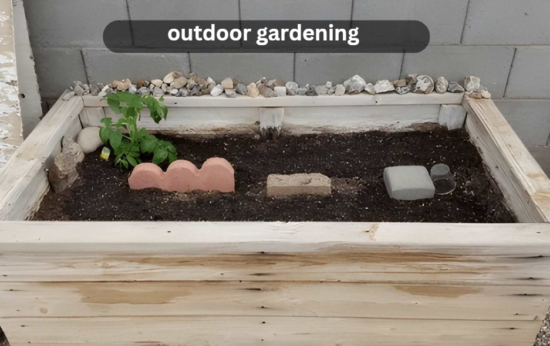
Where you plant matters more than anything else. A good spot saves effort later.
Start with sunlight. Most plants need direct sun for several hours each day. Walk around your yard and notice which areas stay bright. Avoid places that stay shaded most of the time.
Check how the ground handles water. After rain, look for spots where water sits. That kind of soil can cause problems for roots. Pick a place where water drains away on its own.
Wind can also cause trouble. Open areas with strong wind dry out faster and can damage plants. A wall or fence nearby can help reduce that effect.
Think about distance too. If your garden is far from a water source, it becomes harder to manage. Keep it close enough so daily care feels easy.
Do not start too big. A smaller space is easier to control and helps you learn faster.
Understanding Soil Basics
Soil decides how well your plants will grow. If the soil is poor, plants will struggle from the start.
Look at the soil you have. Some soil feels loose and drains fast. Some holds water for too long. You want something in between.
Adding compost helps improve most soil types. It adds nutrients and improves texture over time. You do not need anything complex to begin.
A basic soil check can help you understand what is missing. Many areas in the United States have soil that needs small changes.
Do not keep digging the soil again and again. Too much disturbance can weaken its structure. Mix in what you need and leave it alone.
Some gardeners, including robert mygardenandpatio, prefer to improve soil slowly over time. That method tends to last longer.
Picking the Right Plants
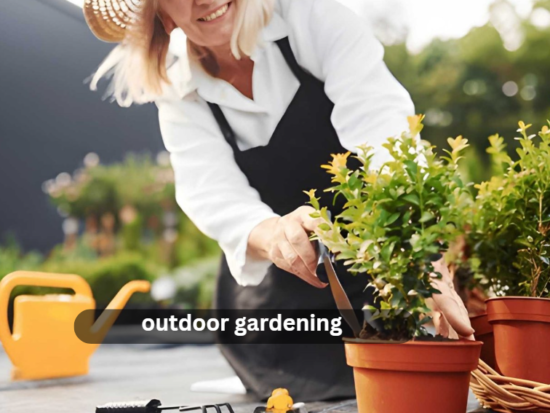
Choosing the right plants makes outdoor gardening easier. The wrong plants lead to constant effort with little result.
Start with your local climate. Weather changes a lot across the United States. Pick plants that match your area.
Plant according to the season. Some plants grow well in cooler weather. Others need heat. Timing matters more than people expect.
Native plants are a good choice. They are already used to local conditions and need less care.
Give each plant enough space. Crowding them leads to weak growth and more problems.
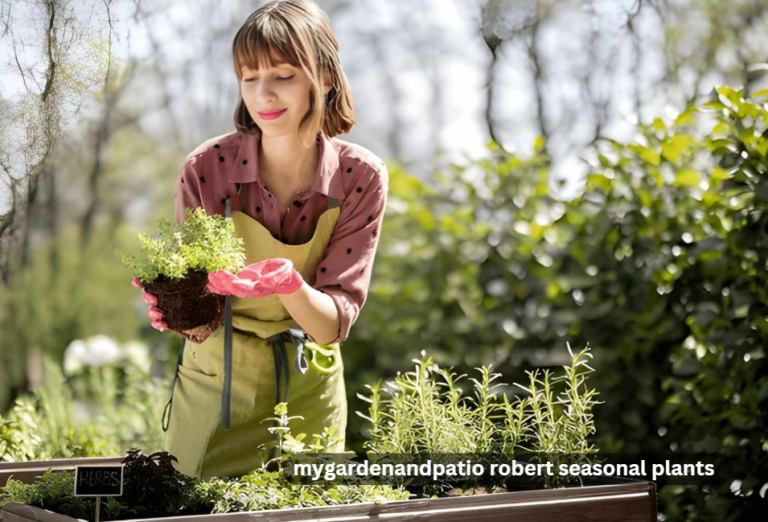
Begin with a few simple plants. Once you see how they grow, you can try more.
Watering the Right Way
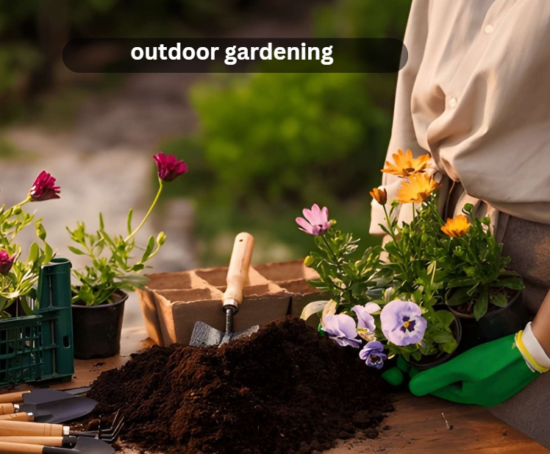
Watering is where many people go wrong. It looks simple, but it needs some balance.
Check the soil before you water. If it feels dry at the top, add water. Wait if it still feels damp.
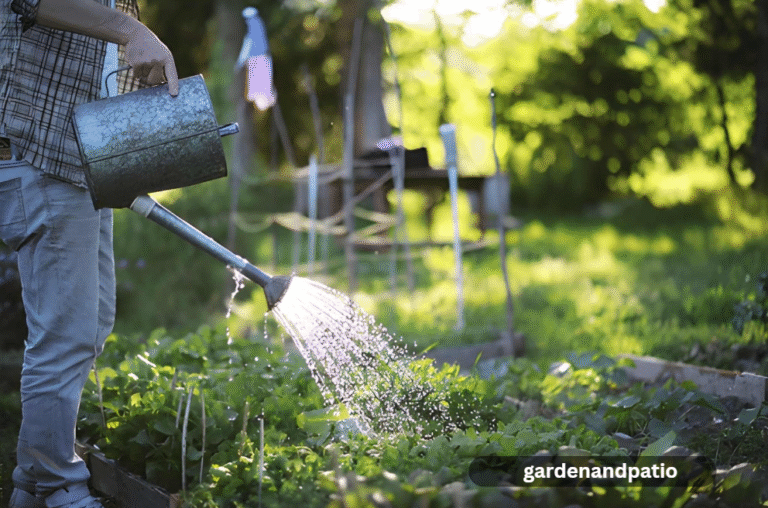
The optimum time to water is in the morning. Plants take in water better, and less is lost during the day.
Water deeply instead of giving small amounts often. This helps roots grow stronger.
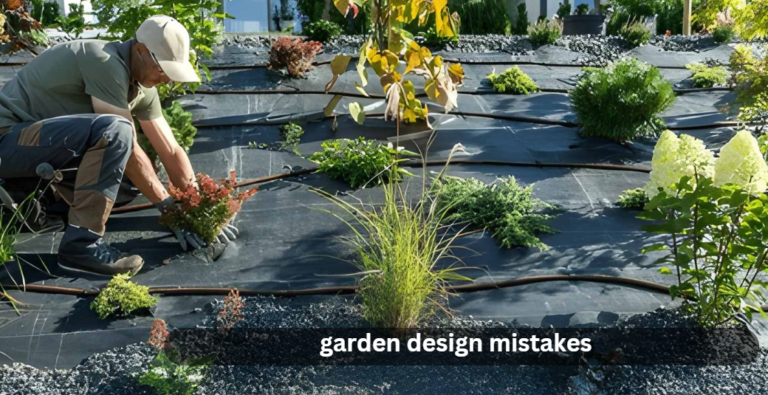
Mulch can help hold moisture in the soil.Additionally, it lessens the frequency of watering.
Many people who follow mygardenandpatio stick to a steady routine. That keeps plants from going through stress.
Managing Sunlight and Shade
Light affects how plants grow. Too little light slows them down. Too much can cause damage.
Watch how sunlight moves in your yard. Some areas stay bright longer than others.
Place plants based on their needs. Some need full sun. Others can grow with partial shade.
If your space does not get much sun, choose plants that can handle it. Many greens grow well in lower light.
You can also use nearby walls or surfaces to reflect light into darker spots.
Using what you already have is often enough.
Seasonal Planning
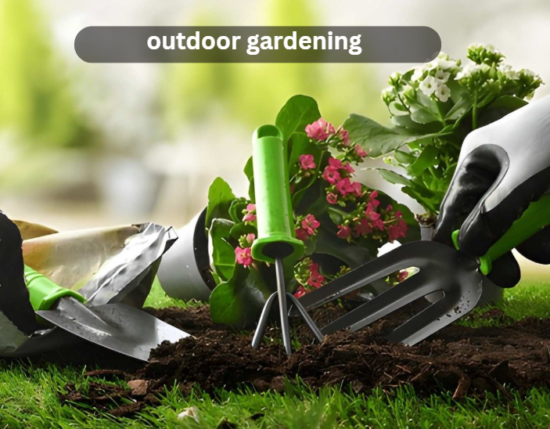
Outdoor gardening changes through the year. Each season brings different conditions.
Spring is when most planting happens. The soil warms up, and growth begins.
Summer brings heat. Plants need more water and sometimes protection from strong sun.
Fall gives another chance to grow certain plants. Cooler air can help some crops do better.
Winter is slower, but it still matters. You can work on soil and plan ahead.
Many guides, including those on www mygardenandpatio .com, focus on thinking ahead instead of reacting late.
Dealing with Pests and Problems
Pests are part of outdoor gardening. At some time, you will have to deal with them.
Healthy plants handle pests better. Good soil and proper care reduce many issues.
Check your plants often. Small problems are easier to manage.
Simple methods work in most cases. Removing pests by hand or using basic treatments can help.
Avoid using too many chemicals. They can harm helpful insects.
Some damage will happen. The goal is to keep it under control.
Simple Tools That Help
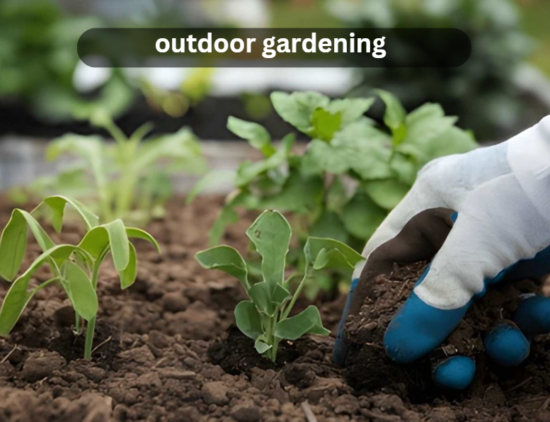
You do not need many tools to manage outdoor gardening.
A hand trowel is useful for planting. A watering can or hose helps keep plants watered.
Pruning tools help remove damaged parts and support growth.
Gloves make the work easier on your hands.
Keep your tools clean and stored properly. This helps them last longer.
Advice on sites like www mygardenandpatio com often points toward keeping tools simple and reliable.
Building a Routine That Lasts
Outdoor gardening works best when you stay consistent.
Check your plants each day for a few minutes. Look at the soil and leaves.
Set simple weekly tasks like watering, trimming, and removing weeds.
Keep track of what works. This helps you improve over time.
Don’t attempt to make all the changes at once. Maintain stability and make gradual adjustments.
A routine makes the work easier and keeps problems small.
Final Thoughts
Outdoor gardening does not need to be perfect. It functions best when you maintain consistency and keep things simple.
Start small. Focus on soil, plant choice, and regular care.
Mistakes will happen. Each one helps you learn.
With time, outdoor gardening becomes easier to manage. It turns into a steady part of your routine that brings real results.