Gardening for Beginners: A Clear and Simple Approach
Starting a garden often feels harder than it really is. Most beginners in the United States think they need special skills or expensive tools before they can grow anything at home. That is not true. The real work is much simpler. It is about learning a few basic habits and sticking with them.
This guide on gardening for beginners is written to keep things practical and easy to follow. It explains how to choose a space, prepare soil, pick plants that are easy to manage, and build a simple routine that works in real life. You will also see the common mistakes people make in the beginning and how to avoid them without stress.
The goal is not to turn you into an expert overnight. The goal is to help you start small and grow with confidence over time.
Understanding gardening for beginners in real terms
Gardening for beginners is really about learning how plants behave in your own space. Every home is different. Light, air, and soil all change how plants grow, even if you use the same seeds.
Most people in the United States start with small areas like patios, balconies, or small yards. That is a good approach because it keeps things manageable. You can see your plants daily and understand what they need without guessing too much.
The early stage is more about observation than action. Watching how quickly soil dries or how leaves respond to sunlight teaches you more than reading long guides. Over time, these small observations build real understanding.
Picking the right spot for your garden
Location matters more than most beginners expect. Even strong plants will struggle in the wrong place.
The first thing to notice is sunlight. Some areas of your home get light for most of the day, while others stay shaded. Most plants do better with steady light, especially in the morning.
Wind is another factor people often ignore. Strong wind can dry soil faster and stress young plants. A slightly protected area is usually easier for beginners to manage.
It also helps to keep your garden where you pass by often. When plants are easy to see, you naturally pay more attention to them. That alone improves results.
Soil preparation without complications
Soil is the base of everything in gardening for beginners. If the soil is weak, plants struggle no matter how much care you give.
Good soil feels soft and loose. It should not stay hard when you press it. Water should pass through it, but it should still hold enough moisture for roots to use.
A simple way to improve soil is by mixing in compost or natural organic matter. This helps improve nutrients and makes the soil easier for roots to grow through.
Many beginners skip this step and go straight to planting. That often leads to slow growth or weak plants later.
Tools you actually need
A lot of new gardeners think they need a full set of tools before starting. That is not necessary.
For gardening for beginners, only a few basic tools are enough. A small hand shovel, a watering can, and a pair of gloves can handle most tasks.
Extra tools can come later if needed. Starting simple helps you focus more on learning plants instead of managing equipment.
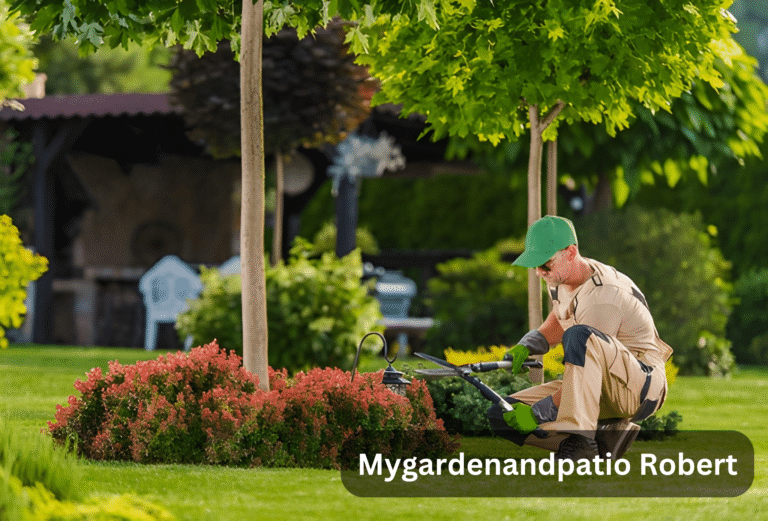
There are also online resources that give ideas and simple setups. One example is robert mygardenandpatio, which shares basic outdoor and garden ideas in a practical way.
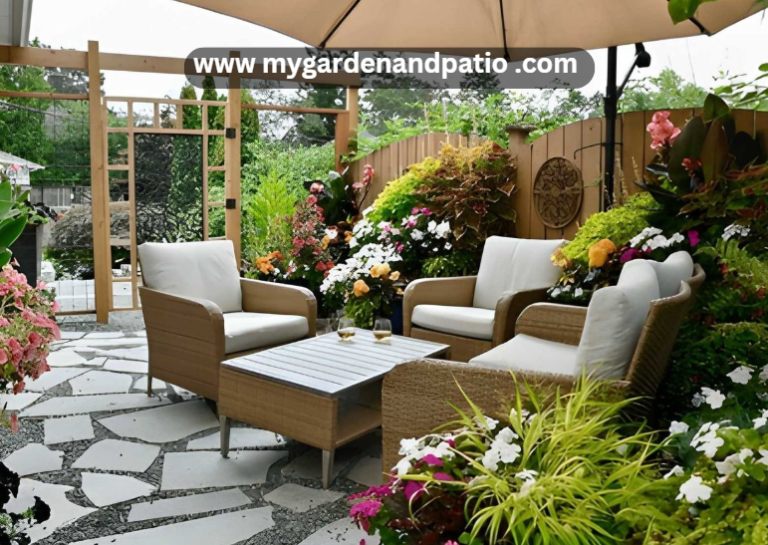
Some people also explore mygardenandpatio for inspiration, especially when planning small outdoor spaces. Others visit www mygardenandpatio .com to get ideas on garden layouts and simple patio setups.
You may also see www mygardenandpatio com mentioned in gardening discussions, along with mygardenandpatio robert, which is linked with simple garden planning ideas. Another related reference is mygardenandpatio com, which focuses on basic outdoor living guidance.
Choosing plants that are easier to grow
Plant selection is one of the most important parts of gardening for beginners. If you choose difficult plants at the start, it can feel discouraging.
It is better to begin with plants that grow quickly and do not need constant attention. Herbs and leafy vegetables are usually good choices. They respond fast and help you understand how watering and sunlight affect growth.
Starting small is always better than filling your space with too many plants. A few healthy plants teach you more than a large group that is hard to manage.
Over time, as you understand how your space works, you can slowly try different plants.
Watering and sunlight in simple terms
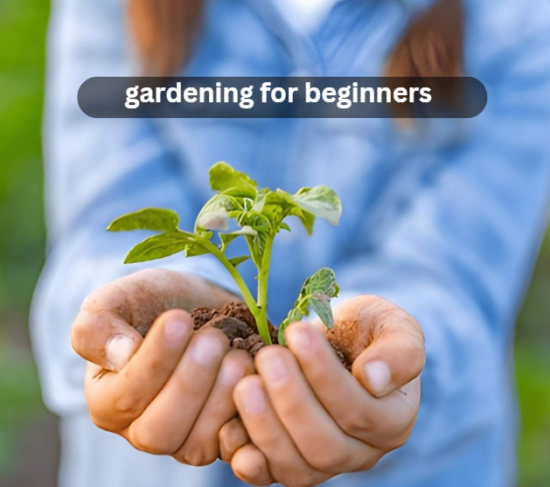
Watering is where most beginners make mistakes. Some water too often, while others wait too long.
The easiest method is to check the soil with your finger. If it feels dry on top, it is usually time to water. If it still feels moist, it can wait.
Plants also depend heavily on sunlight. Without enough light, they grow weak or stretch toward the nearest source.
Watching how sunlight moves through your space during the day helps you place plants in better spots. This small step improves results more than people expect.
Simple maintenance habits
Gardening for beginners does not require complex routines. It is mostly about small daily habits.
Checking your plants regularly helps you notice changes early. Removing dry leaves keeps plants healthier. Adjusting water based on weather also improves growth.
These small actions are more effective than long care routines that are hard to follow.
Common beginner mistakes
Most beginners face similar issues when starting out.
Overwatering is one of the biggest problems. It often leads to weak roots and slow growth. Another common issue is placing plants in low light areas without realizing it.
Choosing too many plants at once is another mistake. It spreads attention too thin and makes
care harder.
The good part is that all these mistakes can be fixed easily once you notice them.
Learning through real experience
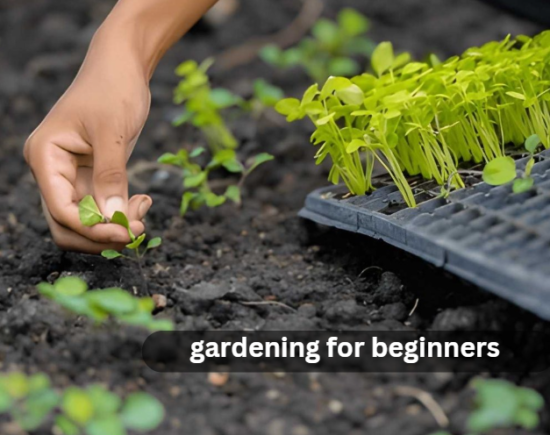
No guide can replace actual experience. Gardening for beginners becomes easier once you start working with real plants.
You begin to notice small things. How soil changes after watering. How leaves respond to sunlight. How fast or slow each plant grows.
Some gardeners look at simple outdoor ideas shared by robert mygardenandpatio to understand how real spaces are arranged in a practical way.
Others explore mygardenandpatio to see how small changes can improve outdoor areas. These examples help beginners think more clearly about their own space.
Building confidence over time
Confidence in gardening does not come from reading alone. It comes from doing small tasks regularly and learning from them.
At first, things may feel slow. Plants may not grow as expected. That is normal. Gardening for beginners is a gradual process, not a quick result.
As you continue, you start making better decisions without thinking too much. That is when gardening starts to feel natural.
Final thoughts
Gardening is less about rules and more about understanding how nature responds in your space. When you keep things simple, results improve naturally.
Start small. Watch closely. Adjust slowly. That is the real path for gardening for beginners, and it works for almost any home setting.
A Long-Term View of Gardening
As you continue this journey, there is a major change in how beginner gardeners think about the gardening process and gardening tools. Most beginner gardeners tend to think that they can make plants grow quickly and beautifully by using fast or quick techniques; as you gain more experience with your garden, your thinking about the process will change and how you care for your plants will also change; you will begin to love your garden and provide care for it on a weekly and daily basis.
Gardening doesn’t become “whole” or “complete” overnight; rather, it becomes whole over time, with both small daily and weekly actions taken over a long period of time. After you recognize this sooner, it will relieve a lot of stress for yourself, as you will feel less pressure to produce immediate results or find success in your gardening efforts.
Patience is critical when growing plants; plants don’t grow on your schedule. One variety of plant will be much faster or slower than another variety of plant in regards to how fast it grows. There may be several weeks of little to no growth, then all of a sudden, a great deal of the new growth will be seen; this is the typical growth pattern for every garden and every plant!
Mistakes are normal in a garden. A plant may become too dry or may lose its foliage or may grow for several weeks with little to no visible growth, however instead of viewing these as failures, you will now consider them learning experiences or opportunities for you to learn from your mistakes; you will build an understanding of what caused the problem and how to prevent similar problems from happening with the plants in your garden.As time goes on, the way that a beginner approaches their garden changes. Instead of simply following rigid rules, they begin to actually pay attention to the conditions of the environment (i.e., weather, soil, lighting) and learn how they all work together. Instead of guessing at what your plants need, you will know how to respond to their specific needs.
Keeping things simple helps tremendously as you progress as a beginner gardener. Many new gardeners create an overly crowded growing space or have too many great ideas at once, which leads to confusion. When you keep your setup simple, it becomes much easier to manage and provides you with clearer feedback about what works well and what does not.
As you get started in your garden, you will discover that small improvements can have a huge impact on plant growth over time. For example, developing a consistent watering schedule or relocating your plants to a slightly better location can result in vastly improved growth.
Gardening becomes part of your daily activities as you develop into a more seasoned gardener. You will not feel like you are forcing yourself to do things in the garden. You will simply check in on your garden and take care of it without thinking twice about it. As you continue to grow as a gardener, your confidence will naturally follow the growth of your plants.