Indoor Gardening: How to Grow Plants Successfully Indoors
Growing plants inside your house is called indoor gardening. You simply don{t need a yard, patio, or outdoor space. You don{t have to own your own area. Just find a small space – windowsill,shelf or any quiet corner in a room where you could begin. Indoor gardening is something a large number of us do when we hope to develop herbs, fill our home with life or just be more characteristic. In smaller apartments and larger houses, it allows work with minimal setup.
This guide keeps everything practical. You will learn the selection of plants,light management, watering,basic trouble shooting. They should help you set off on a gentle path and successfully keep your plants alive (with the least amount of stress).
Why Indoor Gardening Works for Everyday Life
Why Indoor Gardening Is Suitable For Daily Life
Indoor gardening is easily integrated into daily life. Your reliance on weather or outdoor space is nonexistence. The reason being that with everything happening within your home, it becomes somewhat more stable.
You control the setup. You choose what plant goes where, how many lights it gets and how often or otherwise watering the plants. This allows for greater predictability.
Plants also affect the vibe of a room. Even a couple of plants can help a space feel more clean and zen. Almost everyone will notice by spending time around plants, they feel relaxed.
Simple Plants to Start
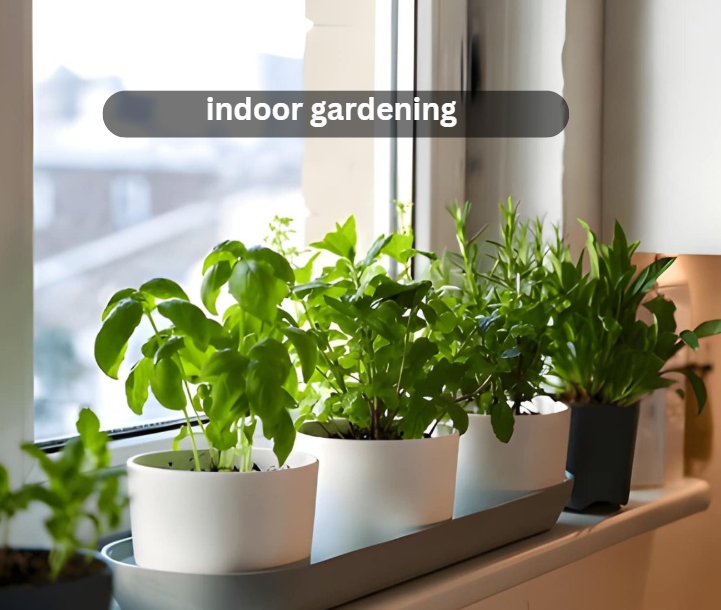
Start with easier-to-manage plants. Basil, mint, and parsley, to name a few. They also do well indoors, and have culinary uses.
There are also really easy strictly houseplants. Examples are snake plant and pothos. They can live in darkness without care.
Always look at your space before picking out plants. Bright rooms give more options. Plants For Low Light Rooms That Require Shade
Start small. The small collection is less demanding than a larger one, especially at the beginning.
Light and Plant Growth When Selecting Plants, Start by Assessing Your Environment: Bright Rooms Have Many More Options Than Low Light Conditions.
Originally, try to use Smaller Amounts of Healthy Plants First – It is Easy to Care for A Few Plants Rather Than A Large Collection of Plants During Your Beginning Years.
Indoor Gardens Receive Their Basic Nutrients from the Sun or by The Use of Indoor Grow Lights, If No Natural Sources Are Available.
If Possible, Place Indoor Plants in Natural Source of Light (SD/MFT Windows). If Done Correctly, You Should Receive Overhead or Side Lighting, Depending on Your Location (South Windows Usually Provide Primary Source of Overhead Light Coverage, While East, West and North Provide Side Lighting.)
Grow Lights Will Help When Natural Light Is Not Available, As They Provide Continuous (24-Hour) Lighting for Indoor Plants.
Rotating Your Plants every Few Days (to Allow Each Side of Your Plants to Enjoy Exposure) Will Allow For More Even Growth Etc.
Light is a key component of indoor gardening. In the absence of it, plants have become visibly weak and growth has slowed.
Natural light coming from the windows can be beneficial for plants, therefore put your plants in places near these windows. Windows that face the south often give very strong light. For many plants east and west windows also work too.
The Right Method of Watering
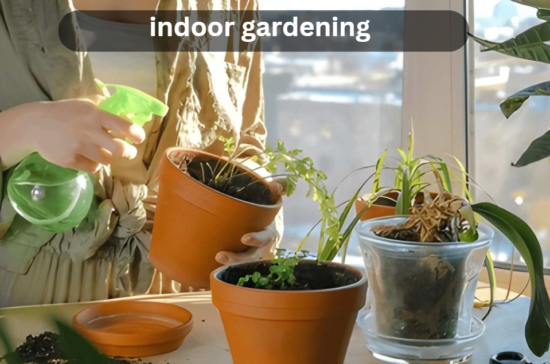
Although watering such as easy, many people make mistakes when watering their plants.
Overwatering is the primary mistake that most people make.
Before you water your plants, check the soil. Water the plant if the soil’s surface is dry. Don’t water it if it’s still wet.
Use pots with holes at the bottom at all times. The holes at the bottom of the pots help to remove any excess water from the pot and also help to ensure that the roots are kept from getting rotted.
Each plant may have a different watering requirement, and as time passes, you will become aware of the plants’ watering habits (i.e., some will require more frequent watering than others, etc.).
Pots and Soil for Plant Growth
Soil and Pots for Plant Development When you have an indoor plant, you should use a soil that is lightweight and drains well, yet does not hold moisture for an extended period of time.
You should also avoid using heavy garden soils to avoid creating an overabundance of moisture and blocking out the air to the roots of the plants.
Pick the pots that have enough room to grow for the plant’s size. Smaller plants will need smaller pot(s); larger plants will need more room to have sufficient root growth.
Healthy roots, are critical to having healthy plants, as Robert’s mygardenandpatio says with most simple home gardening ideas.
Air and Temperature
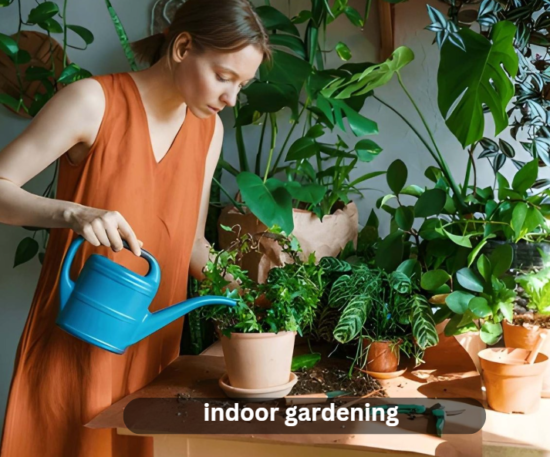
Most indoor plants will grow well if the air and/or water is at a normal room temperature.
The main thing is just to have the air/water temperature at a constant temperature.
Keep plants away from any heat, air conditioning, or cold drafts, as they can create sudden changes to your plant’s environment and/or put your plants in a state of stress.
Humility is very important. Leaves will start browning/drying out if your plants are in a dry environment.
To raise the plant’s humidity level, you can place a small dish of water near each plant or by grouping plants together.
Many of the ideas I’m sharing through mygardenandpatio have shown how small changes within the environment can help improve the overall health of your plants over the course of time.
Plants Need Food
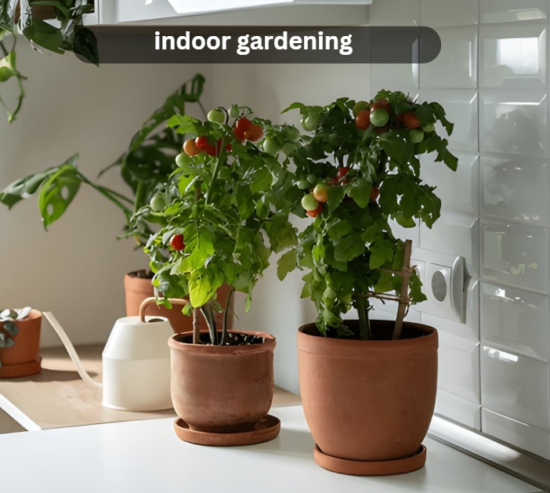
When you think of gardening, many people think of just growing plants for decoration; but, with indoor gardening, you can actually grow something to eat.
As a plant grows, it is utilizing the nutrients from the soil. After a period of time these nutrients will begin to diminish.
During the time that your plant is in its growing cycle, a light fertilizer would be fine.
Please be careful when feeding your plants too much; excess fertilizer can cause damage to your plants, instead of helping them.
Observe how your plants are responding to the fertilizer you fed them and make any necessary vitamine adjustments.
I am providing you with simple information that I found from www.mygardenandpatio.com, to help continue to care for your plants in a more consistent manner instead of giving them an abundance of nutrients, at once.
Typical Pests to Avoid
Signs that indicate an issue with a plant can include yellowing of leaves. If If the leaves on your plant are yellow, you are probably giving it too much water. If the outer edge of the leaves is dry, the plant either is not receiving enough humidity or has been underwatered.
You may also find tiny bugs on plants. Frequent cleaning of the plant’s leaves and looking after your plants can help you to control these tiny bugs.
When you notice that a plant is not growing well, always check the three basic items first (light, water, soil) because those are the most frequent causes of a plant’s poor growth.
The use of this site (www.mygardenandpatio.com) suggests that solving problems of plant care early on, can help to prevent any further damage to your plant.
Indoor Herb Gardening
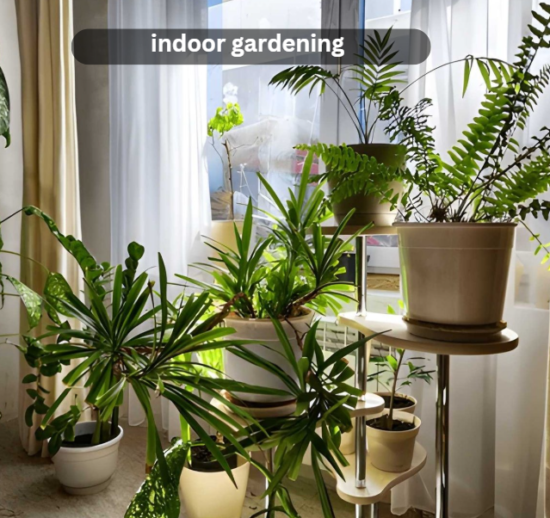
There are many different kinds of herbs that you can grow, but basil, mint, and coriander will all do well growing indoors if given the right amount of light. Those three herbs are easy to care for and can be used while cooking.
You also can grow some very simple vegetables such as lettuce or green onions in non-ground pots.
Keeping your plants close to the kitchen will allow you to use them more often.
Many gardeners recommend to their readers that when starting their indoor garden, it is best to start with herbs before moving to more complex plants.
Simple Set Up
You do not need to have a large or complex garden setup in your house. You can have a small garden setup with about 1 square foot of space next to a window.
You can use a bookshelf or table to organize your plants.
Basic tools needed for an indoor garden are: pots, soil, and container. A watering can be used to water as many plants as possible.
Simplifying your setup will allow for improved observation of any plant-based changes.
Another benefit of having a tray for pots is that this will help to collect excess water and keep the surrounding area clean. In addition, some people use a simple plant stand to arrange plants according to their size and light requirements.
Re-potting plants involves moving the growing roots of the larger pot to a larger pot as needed to accommodate both the growing plant and the growing roots.
To minimize root damage, be very careful to replace the growing roots carefully while re-potting.
Re-potting is useful, as it allows your plants to continue to grow, and will help ensure the health of the plant long term.
Plants will react to seasonal changes whether they are indoors or outside.
As plants grow outdoors, during the warm months they will grow faster and consume more water; similarly, during the cold months, they slow down their rate of growth and reduce the amount of water that they consume.
By adjusting how you care for your plant(s) based on the current season, you can minimise over-watering of your plant(s) and limit the amount of stress they experience.
Create a Routine
Routine is more important than anything else.
Check your plants every 2 or 3 days, looking at the soil, the leaves, and their overall health.
It will just take a few minutes for each time.
As you keep checking them, you’ll develop a much better understanding of what each plant needs without the guesswork.
Conclusion
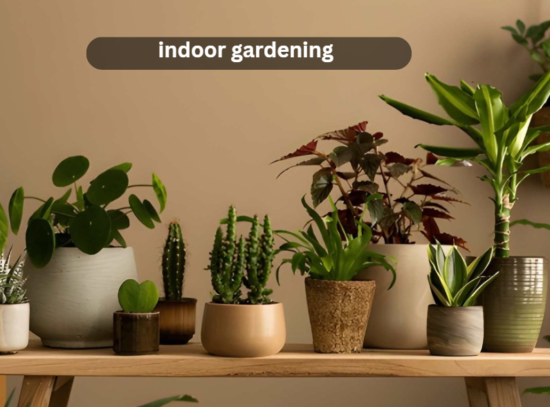
Indoor gardening is not complicated, as long as you stick to the essentials. Choose easy to grow plants, provide them with good light, and don’t water them too much.
Every house is different, so your setup will also be different. Don’t limit yourself by following strict guidelines, but rather learn from your environment.
As you take care of your plants more consistently, they will become part of your daily routine. They take time to mature, but they provide you with great benefit and improve your home over time.