
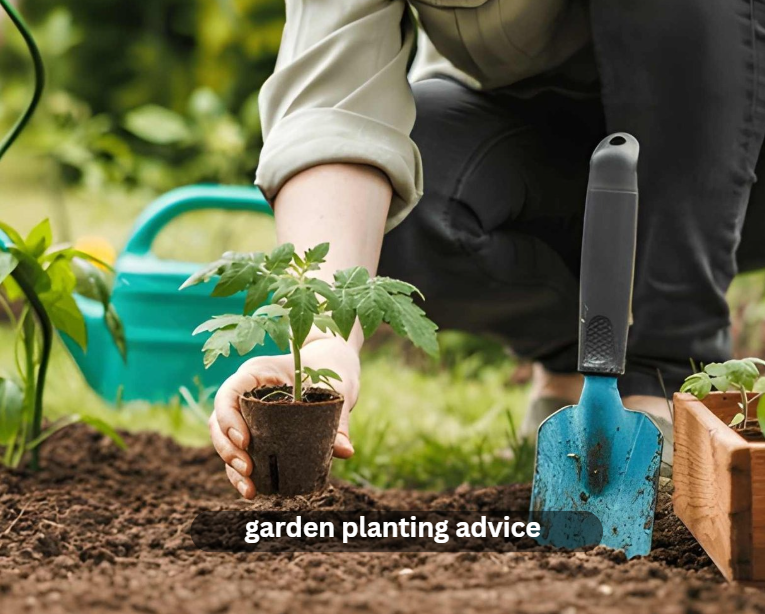
Garden Planting Advice That Helps Plants Grow Better
Gardening looks easy until you try it yourself. A seed is planted, watered, and then left to wait. Then a week later, nothing happens, or the leaves look droopy. The majority of issues aren’t caused by your actions. It’s usually small details that get overlooked. Soil might be too hard. Watering might be off. Plants may be crowded. A little mistake here or there and your garden slows down. That’s why some garden planting advice really helps. Not the flashy stuff on social media, but advice that actually works in a real yard. The mygardenandpatio shares tips I’ve used over the years, things that really make plants grow better. Soil, planting depth, spacing, watering, and selecting the appropriate plants for your area will all be covered. I’ll also touch on layouts and how to look at your garden in a way that makes care easier. These are simple habits, but they can make a big difference over time.
First, the Soil
The most crucial component of your garden is the earth. If the soil is bad, nothing else matters. I’ve seen gardens in heavy clay or sandy soil fail just because roots couldn’t spread. The first thing I do before planting is dig a small hole. If the soil is hard or wet and clumps stick together, it needs work. I mix in compost or old leaves to make it loose. Roots need air as much as water. When the soil is ready, plants have a much better chance. This is basic garden planting advice that gets overlooked a lot.
Planting Depth and Timing Matter
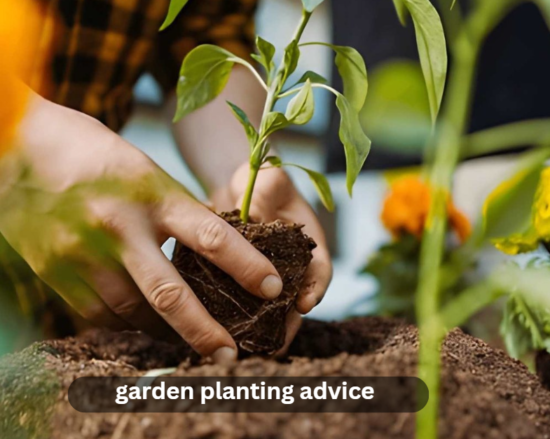
Planting too deep or too shallow will hurt your plants. If it’s too deep, the stems will decay. If the roots are too shallow, they will dry out. I always keep the soil level the same as it was in the container. Seeds follow the depth on the packet, but I also check how warm the soil is. Growth is slowed when plants are planted too early in chilly soil. New seedlings might be destroyed by a slight frost. Watching the soil temperature and local frost dates is more useful than following a calendar.
Give Plants Enough Space
Space is something many beginners forget. I used to cram plants in because it looked full, but they ended up fighting for water and light. Now I plant according to the size they’ll reach, not what they look like at first. Empty space may feel wasted, but it keeps the roots strong and air circulating between leaves. Plants that have room grow better and handle hot, dry days much easier.
Water With Purpose
Watering seems simple, but it isn’t. I’ve seen people water every day, shallowly, and wonder why the plants struggle. Shallow roots dry out fast. I water less often but deeper so roots grow down into cooler soil. I check moisture a few inches down before watering. Morning watering works best because it keeps leaves dry and reduces disease. The key is watching your plants and soil, not following a strict schedule. This type of garden planting advice makes a noticeable difference over time.
Choose Plants That Fit the Site
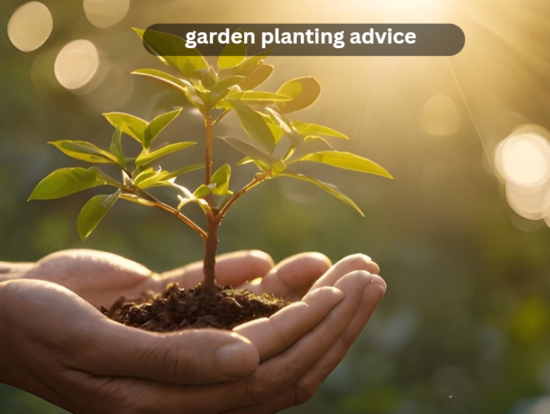
Plants fail when they’re in the wrong place. Sun, wind, and soil type matter more than attention sometimes. No matter how much water you give it, a shade-loving plant will not flourish in full sun. A drought-tolerant plant in heavy clay can also struggle. I learned this from reading robert mygardenandpatio years ago. It’s easier to choose the ideal plant for the location than to try to fix it afterwards.
Simple Layout Improves Growth
How plants are grouped matters more than most people think. I keep plants that require similar amounts of water and sunlight together in accordance with my garden and patio designs. This way, I don’t have to guess who needs what. Sun-loving plants get full sun; shade-loving ones stay protected. Grouping them this way keeps roots healthy and reduces stress. It also makes the garden look calmer, not overcrowded.
Lessons From Professional Designs
I’ve studied small professional designs too. Kdarchitects landscape ideas by roger morph show how spacing, airflow, and plant placement make a difference. It’s not about making it fancy. It’s about giving plants room to breathe. You don’t need a pro to apply this. Even small raised beds or pots can follow the same principles.
How Structures Affect Plants
Fences, walls, and pathways change how plants grow. Walls reflect heat. Roofs redirect water. Paths compact soil. Kdarchistyle architecture styles by kdarchitects suggest observing these effects. I often plant heat-tolerant plants near walls and put moisture-loving plants in lower areas. This helps plants grow without extra effort.
Using Online Advice Carefully
Not every gardening website works for your yard. Some show what looks good but doesn’t help plants survive. I like www mygardenandpatio .com because it focuses on practical advice. Use websites as guidance, not rules. Your garden might be different. Adapt the tips to your soil, your climate, and your space. Even www mygardenandpatio com stresses small, steady habits over flashy trends.
Learning Through Experience
Gardening is mostly learning by watching. I follow mygardenandpatio robert ideas but adjust them to what I see. If you pay close attention, plants will tell you what they need. Over time, this builds confidence and makes future planting easier. Strong gardens rely on the basics. Soil, planting depth, spacing, watering, and choosing the right plants are all that matter. Following advice from mygardenandpatio com helps focus on these essentials. When these steps are done, plants grow stronger and require less fixing later. Good garden planting advice is simple. It doesn’t promise perfect gardens overnight. It focuses on steady growth, small habits, and paying attention. Gardens don’t need constant intervention. They need preparation, patience, and observation. Follow these steps, and your plants will grow stronger naturally.