Garden Maintenance Tips For A Thriving Yard
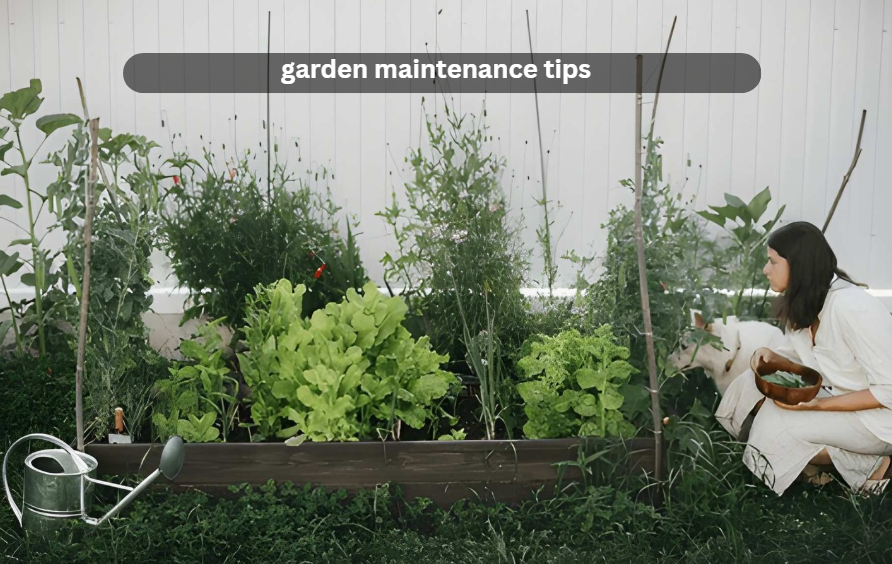
I’ve been tending my backyard for years, and I’ve learned that most of the fuss people make about gardening isn’t necessary. Perfect scheduling and sophisticated technologies are not necessary. You just need to be persistent enough to stick to a few simple routines. A garden should feel alive, not like a constant job. These garden maintenance tips are things I do every week that keep my yard looking nice without wearing me out. I’ll cover watering, soil, pruning, pests, and some practical ideas for making the space easier to manage. I start by simply observing the garden. I notice where the sun hits, where the shade falls, and how water pools when it rains. It’s possible that some areas require more care than others. Breaking the work into little bits keeps it from feeling overwhelming. Not everything has to be done at once. Just walking through and noticing what’s going on is one of the most helpful garden maintenance tips I’ve learned.
Watering
Watering is trickier than people think. I used to just sprinkle water everywhere, but that doesn’t work. When they need it, plants need it. Early in the day is when I try to water. The soil holds it better, and the plants drink it before it gets too hot. I also put mulch around many plants. It keeps moisture in and stops weeds from taking over. I’ve tried hoses that drip and even a soaker hose in a few spots. It saves time and makes watering less random.
Soil Care
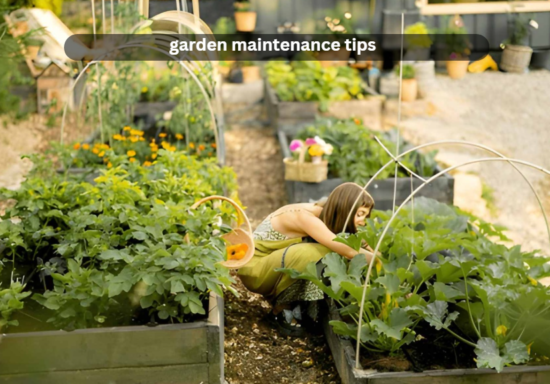
Soil is probably the most important thing people ignore. Healthy soil produces healthy plants. I add compost now and then and make sure not to walk on beds too much. Loosening the dirt around the roots makes it easier for water and nutrients to get to them. I occasionally check the pH of the soil to make sure it’s neither too acidic nor too alkaline. Healthy soil makes plants stronger and easier to care for. I can think of no better garden care advice than this.
Pruning
Pruning is another thing I do almost every week. Dead leaves, broken branches, and old flowers—they all come off. It makes plants healthier and helps them grow better next season. I’m not strict about shapes or patterns; I just cut what’s clearly dead or messy. Overgrown shrubs can get out of hand fast if you ignore them, so small cuts regularly are better than one big trim later.
Weed Control
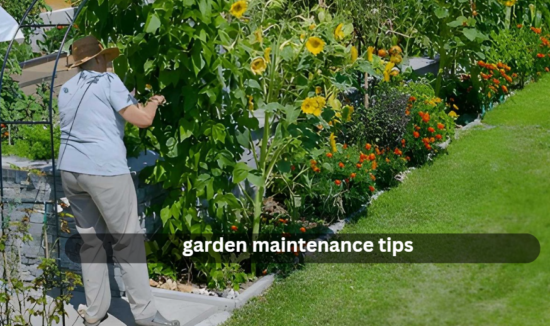
Weeds are a constant battle. I pull them early, before they spread too much. Although it helps, mulching plants doesn’t totally stop them. Chemicals rarely help long-term and can hurt the soil. I’ve learned that a quick walk through the garden every few days to pull a weed or two saves a ton of trouble later. It’s not glamorous, but it works.
Pest Management
Pests pop up sometimes. I check leaves for holes, wilting, or weird spots. Sometimes it’s bugs, sometimes disease. I usually start with natural solutions, like neem oil or mild sprays, before trying anything harsher. Plants that are healthy because of proper soil and water resist pests better. Catching problems early is the key.
Daily Observation
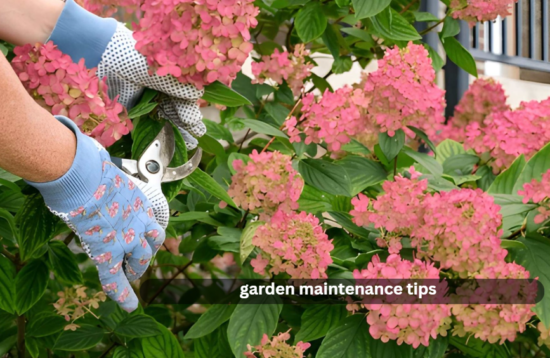
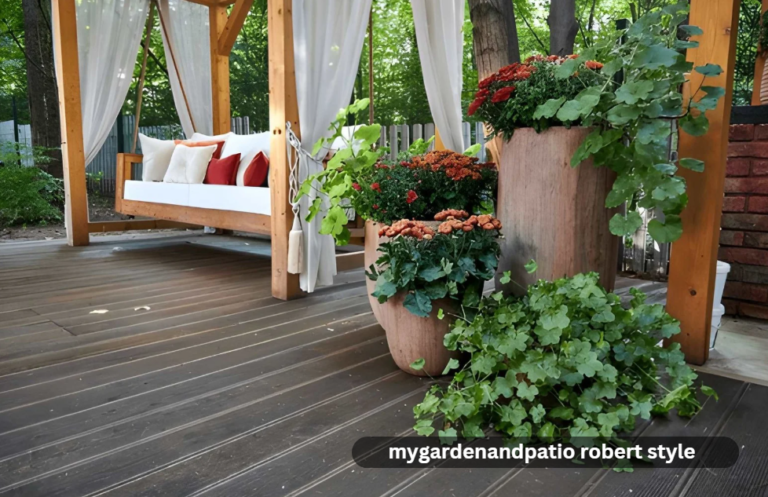
Robert mygardenandpatio emphasizes checking your garden while doing everyday tasks. I often notice small problems while walking through for morning coffee. Taking a few minutes each day helps catch issues before they get big. Tiny daily habits make a huge difference over time.
Choosing Plants
I also pay attention to which plants do well in my area. The mygardenandpatio site suggests picking natives or hardy perennials. They need less water, resist pests, and generally survive better than fancy imported plants. Giving plants space helps too. Crowded plants are harder to maintain and can spread disease.
Garden Layout and Structure
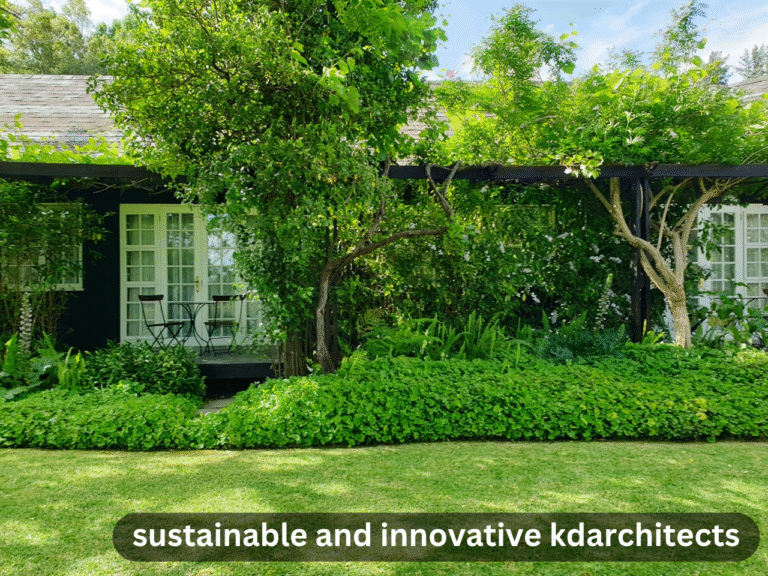
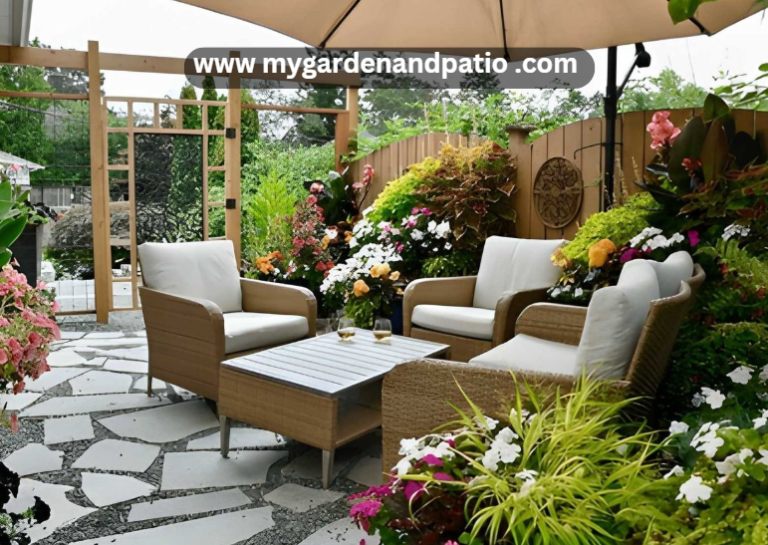
Some garden layouts I like come from KDArchitects’ landscape ideas by Roger Morph. Even simple layouts, like raised beds, gravel paths, or simple borders. These small structures keep the garden organized and reduce work later. They don’t cost much but help everything feel neat.
Cohesion with the Home
Ideas from KDArchistyle architecture styles by KDArchitects suggest tying your yard to your home. The garden will seem like a natural extension of your home if you employ the same hues, textures, and materials. That doesn’t sound like maintenance, but it really helps. When everything fits together, it’s easier to know what goes where and how to keep it tidy.
Learning from Examples
I check www mygardenandpatio .com sometimes. People show how simple steps—like mulching, pruning, or fixing a path—make a huge difference. Seeing other gardens done on a budget reminds me I don’t need to overthink things. Small improvements over time really add up.
Other people visit www mygardenandpatio com for ideas about low-maintenance choices. Tools, pots, or mulch that last save so much time. I’ve learned that picking materials that hold up in rain or sun reduces headaches later. Even small things like a sturdy watering can or a long-lasting rake matter.
Seasonal Adjustments
Mygardenandpatio robert reminds gardeners to watch natural patterns. Plants grow differently in spring, summer, and fall. Water more in dry months, protect tender plants in cold, and adjust your care seasonally. Noticing how the garden changes helps you know what it needs without guessing.
Patience and Consistency
Content from mygardenandpatio com emphasizes patience. Gardens don’t improve overnight. Doing a little each week keeps things from getting out of control. It’s better to work slowly and consistently than to try a big overhaul that leaves you exhausted.
Practical Considerations
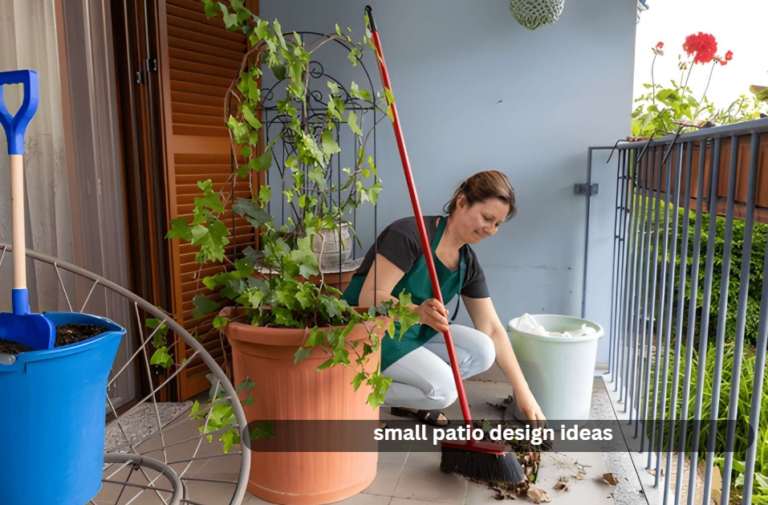
Practicality matters as much as appearance. I make sure paths are easy to walk on and edges are clear between grass and flower beds. A clear, simple layout keeps the yard easy to care for. Even small things like placing seating where you won’t trample plants reduce maintenance.
Keeping Things Easy
Simple maintenance should continue. I make use of easily cleaned and stored tools. I pick hardy plants that survive some neglect. I make sure there’s shade and water where it’s needed. Even a few minutes each week keeps the yard in good shape.
Conclusion
These garden maintenance tips are really about paying attention, making small adjustments, and sticking with simple routines. If you follow a few basics—watering, soil care, pruning, pest watching, and seasonal adjustments—the garden takes care of itself most of the time. Small, steady efforts accumulate over months and years, and the yard becomes a space you can enjoy rather than a job you dread. Affordable and practical maintenance doesn’t need fancy gadgets or elaborate plans. Watching, learning, and doing a little regularly is enough. Over time, these small routines make a thriving yard that’s easy to manage and enjoyable to spend time in.