Seasonal Garden Maintenance Checklist
A yard never stays the same for long. One month it looks fresh and full. A few weeks later weeds show up, grass thins out, and plants start to look tired. That is just how nature works. The key is not chasing problems. The key is staying ahead of them.
That is why I keep a simple garden maintenance checklist. Nothing fancy. Just a clear plan for each season so I know what needs attention and when. It saves time. It prevents big mistakes. And it keeps the garden looking steady instead of chaotic.
In the United States, seasons shift hard. Spring wakes everything up. Summer tests your patience with heat. Fall decides how strong next year will be. Winter looks quiet but still matters. If you handle each season properly, your garden does not feel like constant work.
This guide walks through the whole year in plain terms. No complicated methods. Just practical steps that work in real backyards.
Spring Garden Maintenance Checklist
Spring always feels busy. The ground softens, weeds wake up fast, and plants start pushing new growth. The tone for the remainder of the year is set by your garden at this time.
First, clean up what winter left behind. Remove dead stems, fallen branches, and soggy leaves. If you leave them too long, pests move in. I do this early before growth gets thick.
Next comes soil. If you have never tested your soil, spring is a good time. Many local extension offices in the US offer low cost soil tests. The results tell you if your soil needs lime or nutrients. Guessing usually leads to wasted fertilizer.
Pruning is another early task. Cut away dead or damaged branches. But do not trim spring flowering shrubs before they bloom. One year, I missed an entire bloom season and had to learn that lesson the hard way.
For lawns, rake out thatch buildup. Aerate compacted areas. Overseed thin spots before temperatures climb. Apply a light fertilizer once grass starts growing steadily.
Vegetable beds need compost mixed in before planting. Cool season crops like lettuce and spinach go in early. Mulch around perennials once soil warms to hold moisture and block weeds.
I once read a seasonal reminder on robert mygardenandpatio that said small early effort saves double work later. That has proven true every year.
Spring is about preparation. Do it right and summer feels easier.
Summer Garden Maintenance Checklist
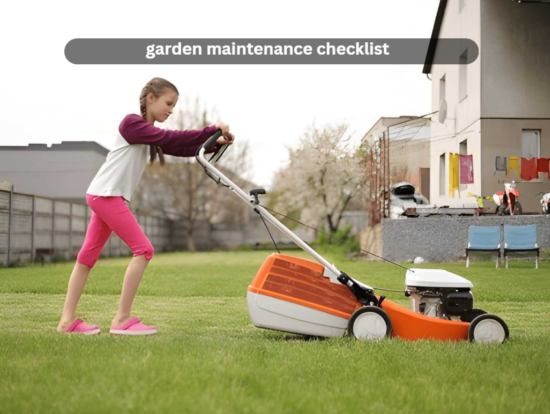
Summer tests everything. Heat builds fast. Rain becomes unpredictable in many states. Plants either thrive or struggle depending on how you manage water.
The average garden requires one inch of water per week. Rainfall is part of that. Though not as frequently, I water deeply. Shallow watering creates weak roots. Early morning works best since less water evaporates.
Mulch matters more than people think. A solid layer keeps soil cooler and reduces weeds. To avoid rot, I keep mulch a few inches away from plant stems.
Pests show up quickly in hot weather. I check plants once a week. Aphids, beetles, and caterpillars spread fast if ignored. The majority of minor issues can be resolved with a powerful water spray or by hand removal.
Deadheading flowers keeps them blooming longer. Regular vegetable harvesting keeps plants producing. Tomatoes and beans slow down if fruit sits too long.
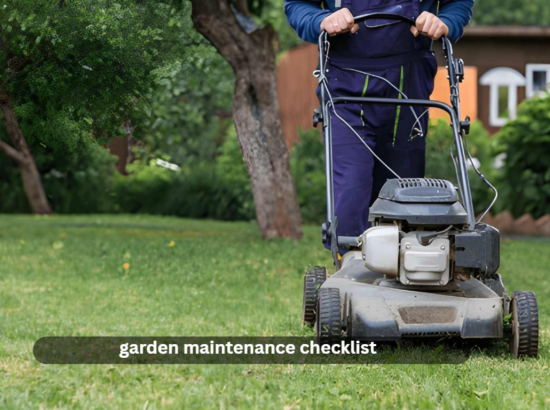
For lawns, raise the mower height slightly. Taller grass protects soil from sun damage. Avoid heavy fertilizer during extreme heat since it can stress turf.
I remember reading tips on mygardenandpatio about summer consistency. The advice was simple. Pay attention weekly instead of reacting monthly. That small habit keeps problems manageable.
Summer is not about big changes. It is about steady care.
Fall Garden Maintenance Checklist
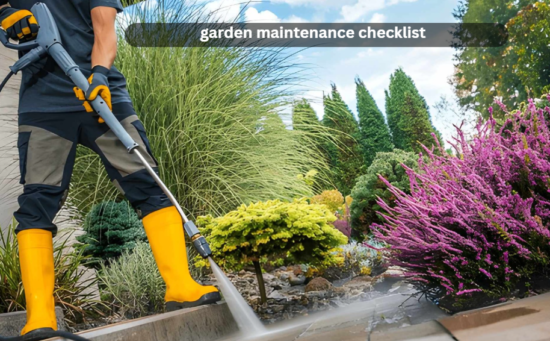
Many people relax once temperatures drop. But perhaps the most significant season of all is autumn.
The leaves begin to fall. I either shred them into mulch or add them to compost. Thick layers left on grass can suffocate it.
In many parts of the United States, autumn is ideal for planting trees and plants. While the earth remains warm enough for root growth, the air cools. Plants settle in before winter.
Lawns benefit from a fall fertilizer. Roots store nutrients over winter and come back stronger in spring.
Cut back diseased perennials. Healthy plants can be trimmed lightly or left for winter interest if you like a natural look. Divide crowded plants now so they grow better next year.
Vegetable beds need clearing once harvest ends. I remove spent plants and mix compost into the soil. In colder states, planting a cover crop protects soil from erosion.
I once saw planning notes shared on www mygardenandpatio .com about reviewing what worked during the year. That habit stuck with me. It’s a good idea to think and adapt in the autumn.
Think of fall as setting up next year. Effort now pays off later.
Winter Garden Maintenance Checklist
Winter feels slow, but it is not useless time.
In colder areas, protect sensitive shrubs from wind. Burlap wraps help. Mulch around roots once the ground freezes keeps temperature stable.
Check trees for weak branches before heavy snow arrives. Removing risky limbs early prevents damage.
Evergreens still lose moisture in winter. A light irrigation is beneficial if there hasn’t been much rain and the ground isn’t frozen.
I use winter to clean tools. Sharpen blades. Oil wooden handles. Store everything dry. It sounds minor, but tools last longer when cared for.
Planning also happens now. I review notes from the year. I decide what vegetables to rotate. Seed catalogs get ordered early for better selection.
Some gardeners share winter planning thoughts on www mygardenandpatio com. The main idea is simple. Use quiet months wisely.
Winter care is about protection and preparation.
Soil Care All Year Long
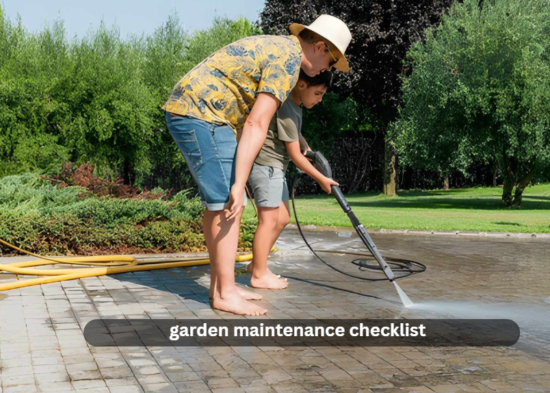
Soil is easy to ignore because it sits under everything. But healthy soil changes the whole game.
Adding compost once a year improves structure. Clay soil is superior at draining. Sandy soil retains moisture for a longer period of time. Organic matter feeds microbes that support root health.
Avoid walking on wet garden beds. Compaction reduces air pockets roots need.
Rotate vegetables yearly. Growing tomatoes in the same spot every year increases disease risk.
Native plants also help reduce maintenance. They adapt better to local rainfall and temperature swings.
I remember reading something from mygardenandpatio robert about soil being the long term investment of gardening. That stuck with me. Fancy plants fail in poor soil. Strong soil supports almost anything.
Soil work is not flashy. But it builds strength year after year.
Common Mistakes That Make Gardens Struggle
Overwatering remains the biggest mistake I see. Roots need oxygen. Constant wet soil suffocates them.
Wrong pruning timing ruins flowering shrubs. Cutting too early removes buds.
Skipping mulch invites weeds and dries soil quickly.
Too much fertilizer burns roots and encourages weak growth.
Ignoring climate differences also causes problems. What works in Arizona may not work in Ohio. Adjust your garden maintenance checklist based on your region.
One aspect of the process is learning from errors. Every gardener makes them.
Creating Your Own Simple System
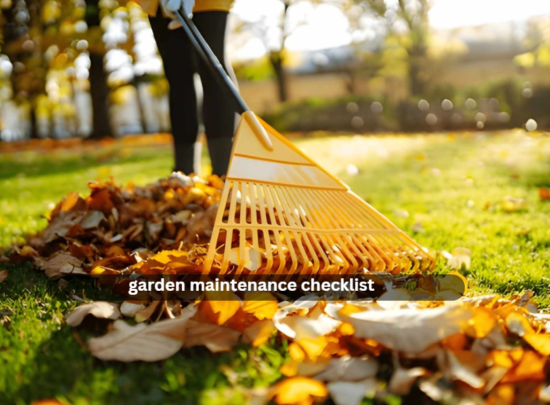
Every yard has different sun exposure, soil type, and rainfall patterns. Use this guide as a base. Adjust for your conditions.
I keep a small notebook. I write planting dates, fertilizer timing, pest issues, and weather notes. After a few years, patterns become clear. That makes decisions easier.
Short weekly sessions work better than rare long workdays. Ten minutes pulling weeds saves hours later.
A steady mygardenandpatio com checklist turns random chores into a rhythm. Once that rhythm is established, gardening becomes more like routine maintenance than labour.
It is not required to be flawless. All that is required is consistency.
And the point is precisely that. A simple plan, followed season by season, keeps your garden strong without overwhelming you.