Common Garden Design Mistakes And How To Avoid Them
A thoughtfully designed garden may transform the atmosphere of your house. It provides a space for you to unwind, spend time with loved ones, and breathe in the fresh air. But many homeowners rush into planting without a clear plan. That often leads to costly garden design mistakes that are hard to fix later. Plants outgrow their space. Lawns turn patchy. Walkways feel awkward. Maintenance becomes a burden.
In the United States, climate varies widely from Florida humidity to dry Arizona heat. What is effective in one area might not be in another. That is why good planning matters more than impulse buying at a garden center. The Robert explains the most typical errors in garden design and demonstrates how to steer clear of them. You will learn how to plan a layout, choose the right plants, improve soil, manage water, and design a space that fits your lifestyle. If you want a garden that looks good and stays manageable year after year, this guide will help you make smarter decisions from the start.
Ignoring a Clear Plan
One of the biggest garden design mistakes is starting without a full plan. Many people buy plants because they look good in the store. Later, they attempt to fit them into the yard. That usually creates a scattered look.
A garden needs structure. Consider how you will navigate the area. Where will you sit? Where will kids play? Where will you store tools? Sketch a simple layout before planting anything. Measure your yard. Mark sunny and shady spots. Note slopes and drainage areas.
In the US, lot sizes vary. Suburban homes may have larger backyards, while city homes often have compact spaces. Planning helps you use space wisely. It also prevents overcrowding.
A simple tip is to divide your garden into zones. One area for relaxing. One for planting. One for pathways. This creates flow and balance.
A unique insight many people miss is thinking about future growth. That little bush isn’t going to stay little. Verify the mature size on the plant tag at all times. Planning for growth saves you from replanting later.
In one paragraph on robert mygardenandpatio, the importance of early planning is discussed as the foundation of a low-maintenance landscape.
Choosing the Wrong Plants for Your Climate
Plant selection causes many garden design mistakes. The US has multiple climate zones. A plant that thrives in California may struggle in Michigan. Ignoring USDA hardiness zones leads to plant loss and wasted money.
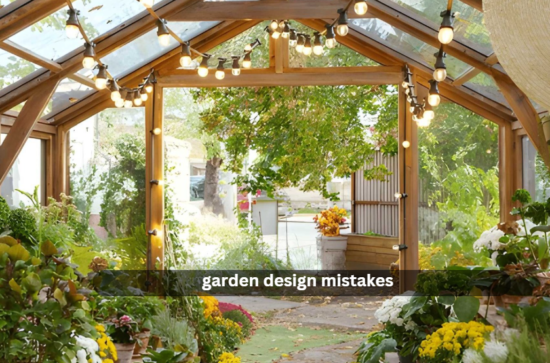
Always check your zone. Consider rainfall levels and summer heat. Native plants are often the safest choice. They adapt better to local soil and pests.
For example, drought-tolerant landscaping works well in dry states like Nevada. In humid regions like Georgia, mildew-resistant varieties are smarter.
Look for terms like “climate-appropriate plants” and “native landscaping ideas” when researching. These help narrow down choices.
Another mistake is picking high-maintenance plants without realizing the work involved. Some flowering plants need constant pruning. Some grasses spread aggressively.
A good approach is to mix evergreen structure plants with seasonal color. That keeps your yard attractive all year.
You can find useful discussions on mygardenandpatio that explain how climate-smart planting reduces long-term effort.
Poor Soil Preparation
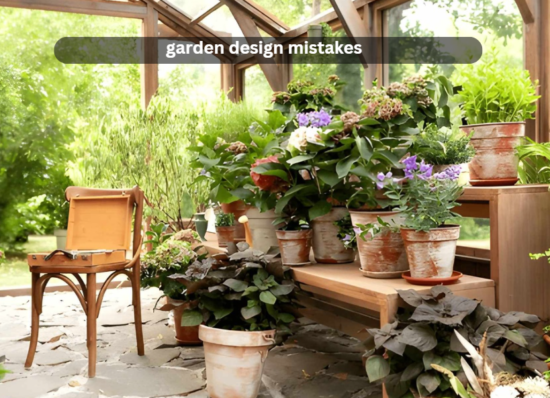
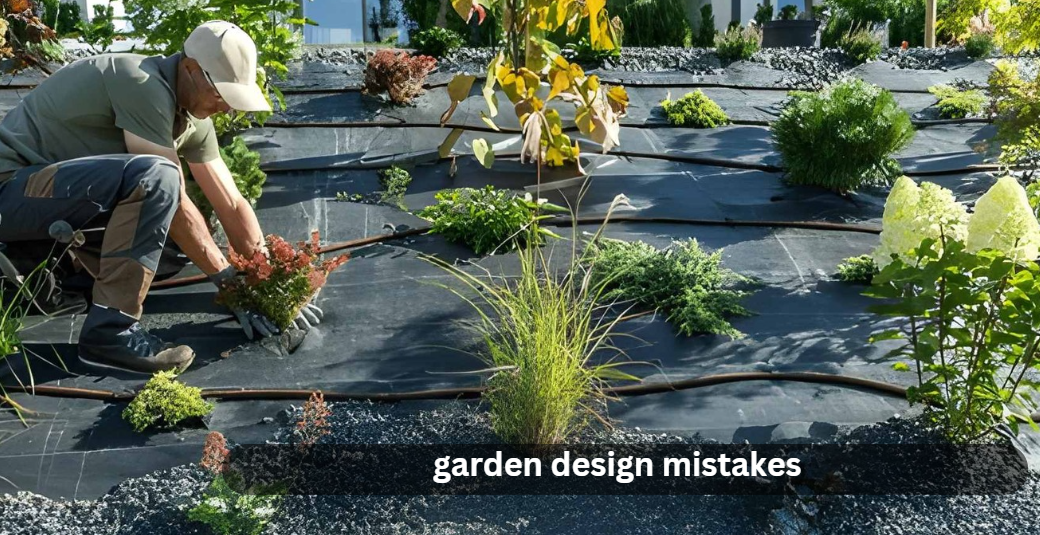
Healthy soil is the base of a strong garden. Skipping soil preparation is a common error. Many homeowners plant directly into compacted ground. Then they wonder why growth is slow.
Before planting, test your soil. In the US, soil can range from sandy in coastal areas to heavy clay in parts of the Midwest. Each type needs different treatment.
Add compost to improve structure. Compost helps sandy soil retain moisture and enhances drainage in clay soil. Organic matter builds long-term fertility.
Raised garden beds are another option for poor soil areas. They allow better control over soil mix.
Search terms like “improving garden soil” and “soil amendment tips” are helpful when researching solutions.
A perspective that is often overlooked is soil life. Healthy soil contains microbes that support plant health. Avoid overusing chemical fertilizers. They may give quick growth but weaken soil structure over time.
A detailed guide on www mygardenandpatio .com explains how proper soil work reduces plant disease problems later.
Overcrowding Plants
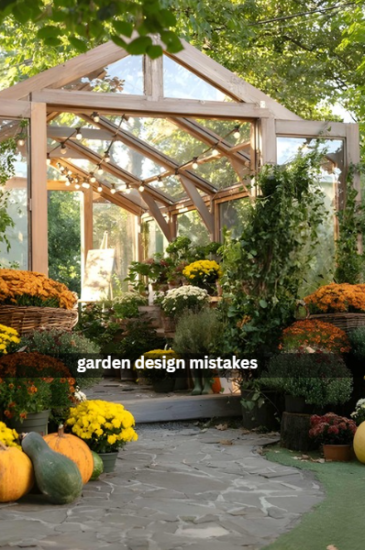
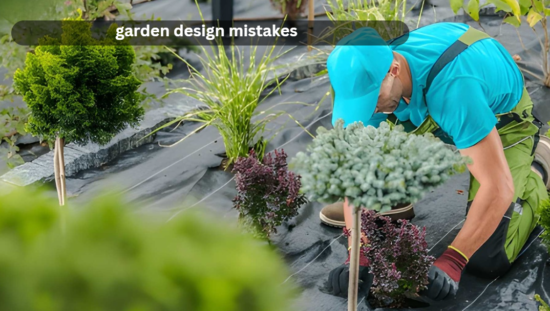
Overcrowding is one of the most visible garden design mistakes. At planting time, everything looks small. It feels empty. So people plant closer than recommended.
Within a few years, plants compete for sunlight and nutrients. Airflow decreases. Disease spreads more easily. Maintenance becomes harder.
Check spacing guidelines carefully. Allow room for mature width. If you want a fuller look early, use temporary filler plants that can be removed later.
In smaller American backyards, vertical gardening helps solve space issues. Use trellises for vines. Add raised planters.
Long-tail phrases like “plant spacing guide” and “how far apart to plant shrubs” can guide proper placement.
An insight not often mentioned is how overcrowding affects irrigation. Tight planting reduces even water distribution. That leads to weak roots.
On www mygardenandpatio com, spacing recommendations are explained in relation to long-term maintenance savings.
Ignoring Patterns of Sunlight and Shade
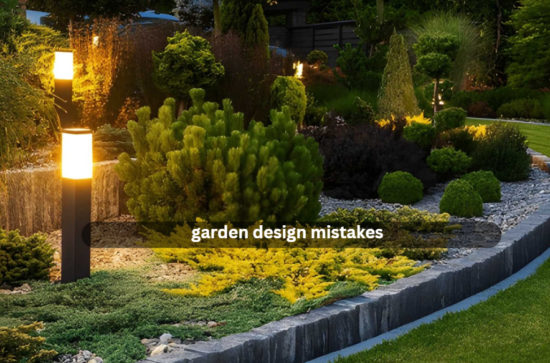
Seasons and the length of the day affect the amount of sunlight. Planting without studying light exposure creates frustration.
Spend a day observing your yard. Make a note of which spots get deep shade, partial shade, or full sun. In northern states, sun angles shift significantly between summer and winter.
At least six hours of direct sunshine are required for full-sun plants. Shade plants prefer less. Mixing them in the wrong location results in poor growth.
Look for guidance using terms like “garden sunlight requirements and shade tolerant plants.
Another common oversight is placing patios in harsh afternoon sun without shade structures. That reduces comfort.
A smart tip is to design with microclimates. Walls and fences create warmer spots. Trees create cool areas.
And mygardenandpatio robert highlights how mapping sun patterns prevents expensive plant replacements.
Poor Drainage and Water Management
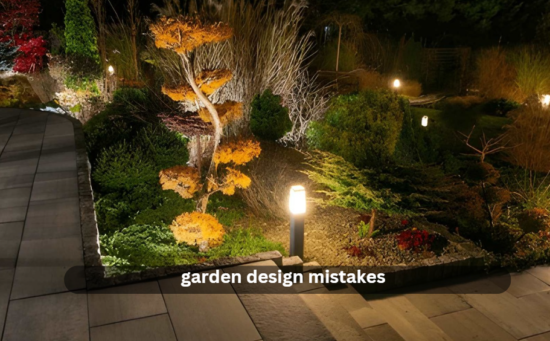
Water issues cause serious damage. Standing water leads to root rot. Too little water causes stress.
In many US regions, heavy rainfall can flood low spots. In others, drought is common. Your design must address both.
Install proper grading so water moves away from your home. Consider rain gardens for runoff control. Drip irrigation systems reduce waste and support deep root growth.
Search terms like “garden drainage solutions” and “efficient irrigation systems” provide helpful guidance.
A perspective that often gets ignored is water access convenience. If hoses are far from planting beds, watering becomes a chore. That leads to neglect.
Proper water planning also lowers long-term costs. mygardenandpatio com discusses how smart irrigation planning reduces utility bills over time.
Lack of Focal Points
A garden without a focal point feels unfinished. Many garden design mistakes happen because there is no visual anchor.
A tree, sculpture, water feature, or seating area can all serve as focal points. It provides a resting spot for the eye.
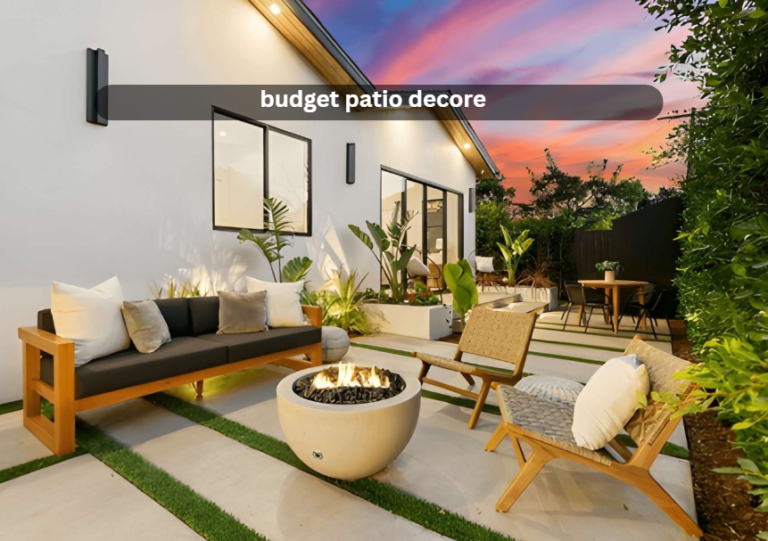
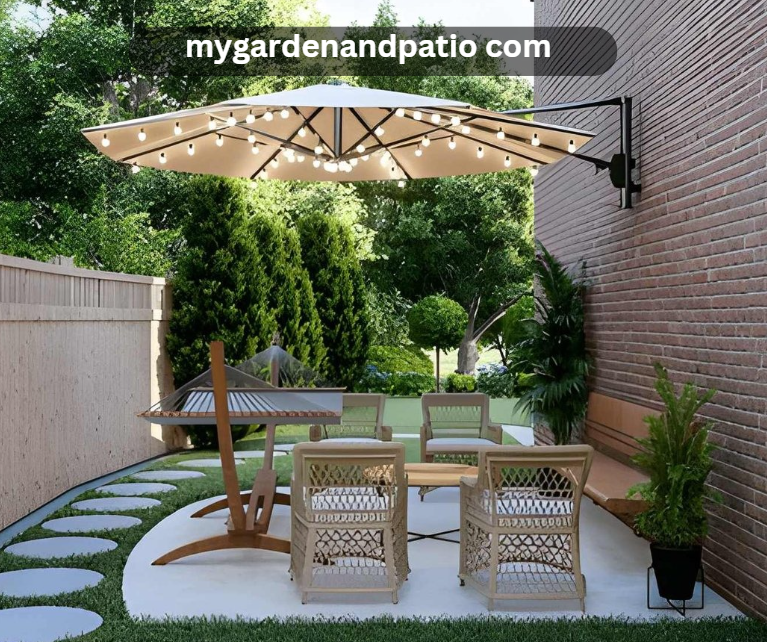
In American suburban yards, a simple pergola or fire pit often works well. In smaller urban spaces, a statement planter can do the job.
Use terms like “backyard focal point ideas” when planning your design.
A unique insight is that focal points should align with your main viewing angle. Stand at your back door. That view matters most.
According to insights shared on mygardenandpatio, thoughtful focal placement improves overall balance without adding extra plants.
Forgetting Maintenance Needs
Some gardens look stunning in photos but demand hours of work each week. Burnout results from neglecting maintenance.
Determine how much time you can actually devote before planting. Choose low-maintenance landscaping if your schedule is busy.
Native shrubs, mulch beds, and automatic irrigation reduce labor. Avoid plants that drop heavy debris near walkways.
Look for terms like low maintenance garden design” and “easy care landscaping.”
Another overlooked factor is seasonal cleanup. In colder US states, fall leaf management can be significant.
An honest approach helps avoid regret. Overdesigning is one of the quiet garden design mistakes that drains energy over time.
Ignoring Scale and Proportion
Scale matters. Large trees in small yards overwhelm space. Tiny flower beds beside large houses look out of place.
Measure your home’s height and width. Design elements should feel balanced.
In American homes with wide lawns, adding layered planting beds along the foundation improves proportion.
Search for garden scale and proportion tips to understand balance better.
A useful insight is thinking in layers. Tall plants at the back. In the middle, medium. low ahead. Depth is produced as a result.
When the scale is right, everything feels intentional. When wrong, it feels random.
Not Thinking About Year-Round Interest
Many homeowners focus only on spring blooms. By late summer, the garden looks dull.
Plan for four-season appeal. Evergreens provide winter structure. Ornamental grasses add fall texture. Early bulbs bring spring color.
In northern states, winter landscapes need strong structure. In southern states, year-round greenery is easier to maintain.
Look up four-season garden design for planning ideas.
A deeper insight is that texture matters as much as flowers. Leaves, bark, and structure keep gardens interesting beyond bloom cycles.
Avoiding seasonal gaps is one of the smarter ways to prevent long-term garden design mistakes.
Conclusion
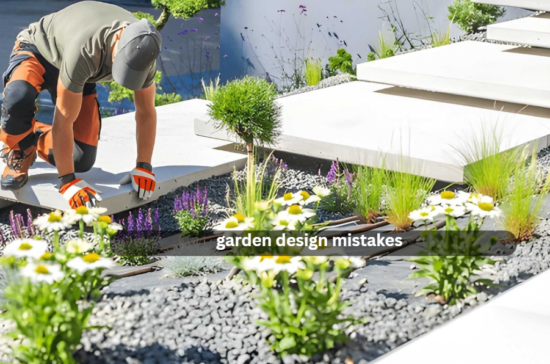
A beautiful garden does not happen by accident. It grows from planning, observation, and realistic choices. Many garden design mistakes come from rushing decisions or copying trends without considering climate and lifestyle.
Focus on soil health. Choose plants that match your region. Plan spacing carefully. Study sunlight. Design with maintenance in mind. These steps reduce stress and protect your investment.
Gardens evolve over time. That is part of their charm. But starting with smart design principles gives you a strong foundation. When you avoid common errors early, your outdoor space becomes easier to manage and more enjoyable year after year.