Practical Garden Design for Everyday Living
A garden should fit into your life. Not the other way around.
Many people plan a garden that looks nice but feels hard to use. It takes too much time, too much effort, and slowly gets ignored. That is where a practical approach to garden design makes a difference.
In the United States, more homeowners want outdoor spaces that feel easy. A place to sit after work. A safe spot for kids. Maybe a small area to grow fresh food. Nothing complicated. Just something that works day to day.
Good garden design focuses on real use. It is about layout, plant choices, and how the space supports your routine. When done right, even a simple yard can feel comfortable and useful.
This guide walks through the basics in a clear way. You will learn how to plan your space, choose the right plants, and keep everything easy to manage. The goal is simple. Build a garden you will actually use.
Garden Design Starts with Real Life Needs
Start with how you live.
Not what looks good online. Not what others are doing. Just your daily routine.
If you come home tired, you need a place to sit. If you have kids, open space matters more than decoration. If you like fresh food, a small growing area makes sense.
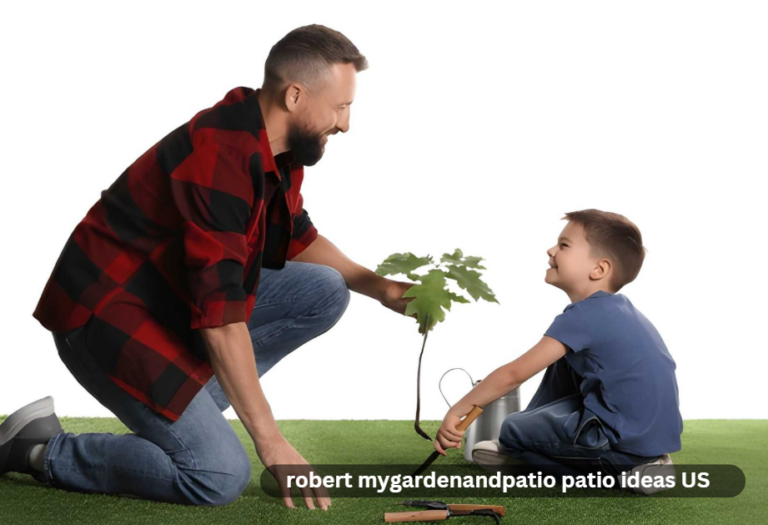
Robert MyGardenAndPatio is a gardening and outdoor living content creator who shares practical tips on garden design, patios, and maintaining outdoor spaces.
A lot of people skip this step. They focus on looks first. Later they realize the space does not fit their life.
Try this. Watch how you use your yard for a few days. Notice where you walk. Where you stop. Which areas you avoid. That tells you what needs to change.
Keep your main goal clear. One purpose works better than trying to do everything at once.
A garden that matches real habits always feels easier to use.
Understanding Your Space and Climate
Your space decides what will work.
Start with sunlight. Some parts of your yard stay bright all day. Others stay shaded. Plants depend on this. Put them in the wrong place and they struggle.
Then check your soil. Some soil drains fast. Some holds water. Both affect plant growth.
A simple test helps. Dig a small hole. Fill it with water. Watch how fast it drains.
Climate matters too. In many parts of the United States, summers can be hot and dry. Winters can be cold. Plants need to handle both.
This is why local or native plants work better. They are already used to the conditions. They need less care and less water.
Working with your environment saves time. Fighting it creates more work.
Creating a Simple and Functional Layout
A good layout makes everything easier.
You should be able to move through your garden without effort. No tight corners. No blocked paths.
Start with the basics. Add a path from one area to another. It can be stone, gravel, or even mygardenandpatio simple stepping pieces.
Keep important areas close to the house. If a sitting area is far away, you will use it less.
Avoid adding too much. A crowded garden feels stressful. Open space helps the design breathe.
Use the same materials in different spots. This keeps the space looking clean.
A simple layout does more than a complex one that does not work.
Designing Zones for Everyday Use
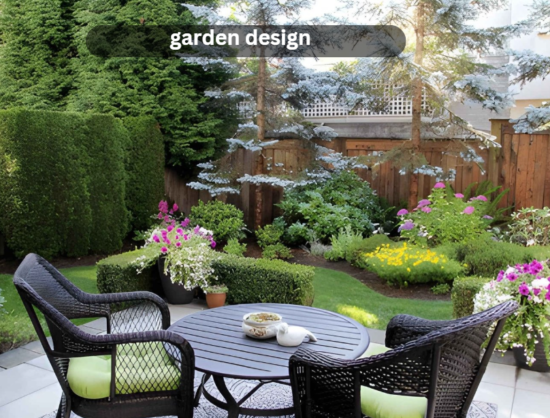
Divide your garden into clear areas.
Each part should have a purpose.
One area for sitting. One for plants. Maybe one for kids or pets. This method can be used to divide even a small yard.
This makes the space easier to use. It also keeps things organized.
Keep related things close. A sitting area should be near the house. A vegetable patch should be near water.
Nowadays, a lot of American homes treat their gardens as additional rooms. a spot to unwind or spend time with loved ones.
Clear zones help make that possible.
Choosing Low Maintenance Plants
Plants decide how much work your garden needs.
Some plants need constant care. Others grow with little effort.
If you want things easy, choose plants that fit your climate. Native plants are a good choice. They need less water and less attention.
Avoid plants that grow too fast or need regular trimming unless you enjoy that work.
Mix different types. Trees for shade. Shrubs for shape. Ground cover to reduce weeds.
Another helpful step is grouping plants with similar needs. This makes watering simple.
The right plant choices save time every week.
Using Structure to Keep the Garden Organized
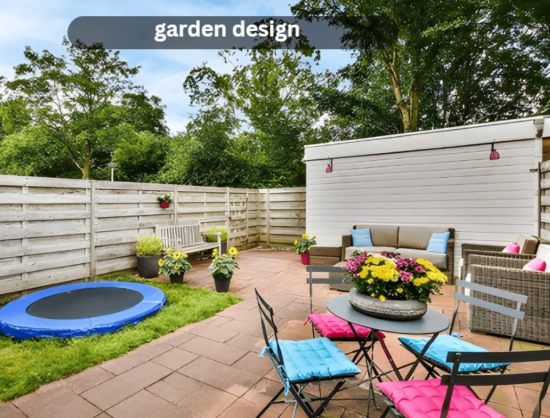
Structure holds everything together.
Without it, a garden can feel messy.
www mygardenandpatio .com is a website that offers helpful content on garden design, patio ideas, outdoor furniture, and simple ways to create and maintain a comfortable outdoor living space.
Use simple edges around planting areas. Add raised beds if you grow vegetables. These keep things neat and easy to manage.
Borders help separate spaces. They also make the garden look clean.
Try repeating shapes or materials. It gives balance without extra effort.
Plants change over time. Structure stays. That is why it matters.
Making Small Gardens Work Better
Small spaces need smart choices.
Use vertical space. Walls, fences, or simple supports can hold plants. This saves ground space.
Containers also help. You can move them and change the layout when needed.
Do not use too many plant types. It makes a small area feel crowded.
Keep the design simple. Light colors and open space can make it feel bigger.
Even a small yard can feel useful with the right plan.
Adding Practical Features That Matter
A garden should feel comfortable.
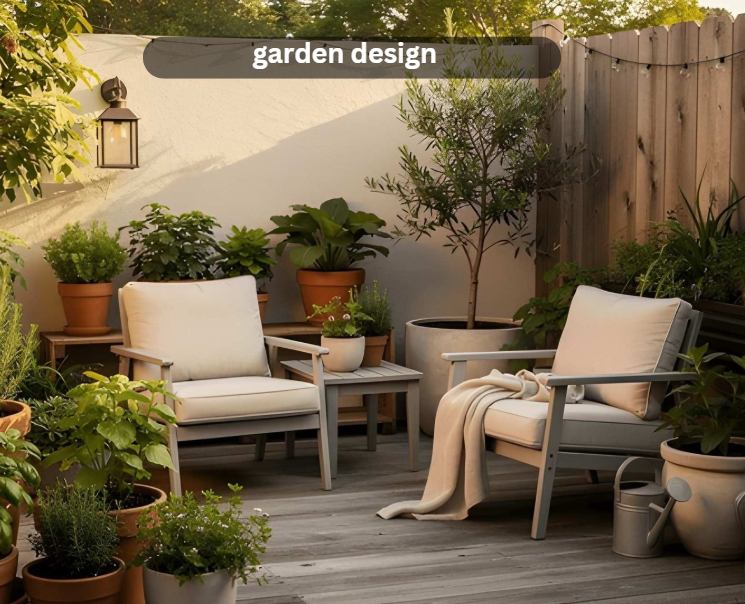
Seating is important. Without it, people do not stay long.
Lighting helps in the evening. It makes the space usable after sunset.
Shade is also important, especially in warm areas. Trees or simple covers can help.
These features matter more than extra decoration.
A simple chair in the right place can change how often you use your garden.
Water and Irrigation Made Simple
Watering should not take too much time.
A simple system helps a lot.
Drip irrigation works well. It sends water straight to the roots. This saves water and effort.
You can also collect rainwater if possible.
Group plants by water needs. This avoids overwatering soSort plants according to how much water they require. This keeps some from being overwatered and others from drying out. me and drying out others.
www mygardenandpatio com is an online resource that shares simple, practical advice on garden design, patios, and outdoor living spaces.
Less effort means you are more likely to keep the garden in good shape.
Keeping the Garden Easy to Maintain
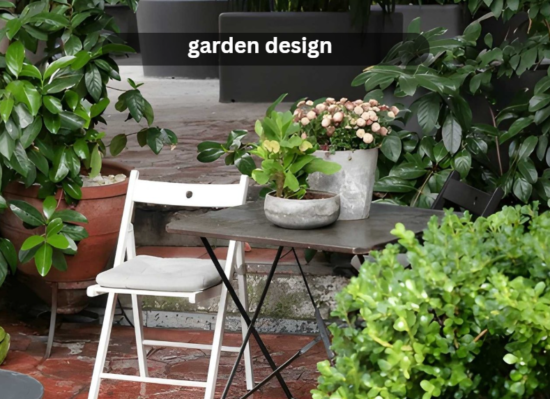
A good garden stays manageable.
Use mulch to reduce weeds and keep moisture in the soil. This cuts down work.
Do small tasks often instead of big ones later.
Keep the number of plant types limited. It makes care easier.
Tell the truth about how much time you have. Arrange your garden with that in mind.
Maintaining a basic garden is preferable to a complicated one that is neglected.
Budget Friendly Garden Design Tips
You do not need a big budget.
Start with one area. Build it well. Then move to the next.
mygardenandpatio com is a useful online source for simple tips on garden design, patio setup, and maintaining outdoor living spaces.
Reuse materials if you can. Old bricks or wood can work for paths or borders.
Grow plants from seeds when possible. It costs less.
Take your time. A garden does not need to be finished at once.
Building it step by step makes it more personal and easier to manage.