Best Plants For Patios In Different Climates
A patio should feel alive. It should reflect the climate you live in and the way you use your outdoor space. But choosing the best plants for patio areas is not always simple. What thrives in Arizona may fail in Minnesota. What grows fast in Florida may struggle in Colorado. Climate matters more than most people think.
This guide will help you choose the best plants for patio spaces based on real conditions across the United States. We will cover hot and dry regions, humid areas, mild coastal climates, and cold northern zones. You will learn which plants handle heat, which survive frost, and which stay low maintenance in containers. We will also talk about soil, watering, sunlight, and simple design tips that make patios look balanced and full. By the end, you will know exactly how to match plants to your region and avoid costly mistakes.
Understanding Your Climate Before Choosing Plants
Before buying anything, you need to know your growing conditions.If you ignore this, plants may die during the first freeze.
Hot desert regions such as Arizona and parts of Nevada deal with intense sun and very little rain. Southern states like Florida face humidity and heavy rainfall. The Midwest sees freezing winters and humid summers. Coastal California has mild temperatures almost year-round.
The best plants for patio spaces depend on three things.
Sun exposure
Temperature range
Rainfall levels
Container plants are more sensitive than ground plants because their roots are exposed to temperature swings. Pots heat up faster and freeze faster. That is why climate matching matters even more for patios.
Many gardeners who follow advice shared by robert mygardenandpatio often start by mapping their patio sunlight before picking plants. That simple step prevents most failures.
Best Plants for Hot and Dry Climates
If you live in states like Arizona, Nevada, New Mexico, or parts of Texas, heat tolerance is critical. Summer temperatures can exceed 100 degrees. Water evaporates fast.
Succulents are one of the safest choices. Agave, aloe, and echeveria store water in their leaves. They survive long dry periods and require little care. Cacti also perform well in patio containers as long as drainage is strong.
Bougainvillea adds bold color and thrives in intense sun. It blooms heavily when the soil dries between waterings. Lavender is another strong option. It prefers dry roots and full sunlight.
For those searching for the best plants for patio areas in desert zones, ornamental grasses like blue fescue work well. They add texture without heavy water needs.
Clay or terracotta pots help prevent root rot because they allow airflow. Avoid plastic containers in extreme heat because they trap moisture.
Gardeners who share tips through mygardenandpatio often note that overwatering kills more desert patio plants than drought.
Best Plants for Humid and Tropical Regions
Florida, Louisiana, southern Texas, and coastal Georgia experience high humidity. In these regions, plants must handle moisture and fungal pressure.
Ferns grow well in shaded patios with indirect light. The Boston fern remains a favorite because it thrives in humidity. Hibiscus produces bold flowers in warm climates and loves consistent moisture.
Caladium is another strong choice for shaded patios. Its colorful leaves create visual interest without constant blooms.
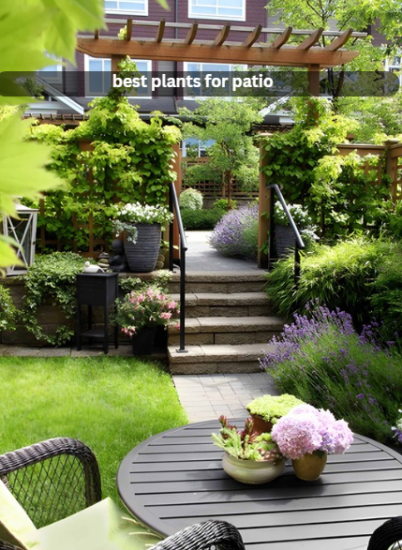
When selecting the best plants for patio spaces in humid regions, airflow becomes important. Plants need spacing to prevent mildew. Containers should have proper drainage holes.
Banana plants can also grow in large patio pots in warm states. They create a tropical feel and grow fast in summer heat.
Many growers connected with www mygardenandpatio .com stress the importance of morning sun and afternoon shade in southern patios to reduce stress on foliage.
Best Plants for Mild Coastal Climates
California coastal areas and parts of the Pacific Northwest have moderate temperatures.
Winters are not extreme. Summers stay comfortable.
In these regions, you have more flexibility. Geraniums perform well and bloom for months. Hydrangeas grow strong in cooler coastal zones with partial shade. They need consistent watering but not extreme heat.
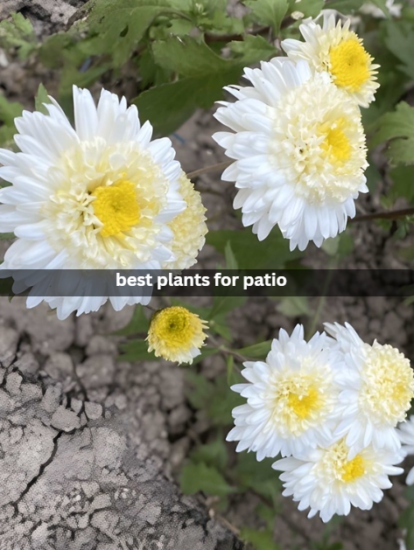
Rosemary is excellent for sunny patios. It is hardy and doubles as an edible herb. Olive trees in containers can thrive in Southern California if protected from rare frost.
The best plants for patio settings in coastal climates often include flowering perennials because the temperature swing is not severe.
Home gardeners featured on www mygardenandpatio com often combine ornamental plants with edible herbs in these mild regions since growth seasons are longer.
The Greatest Plants for Northern and Cold Climates
Winters in northern states like Minnesota, Wisconsin, Michigan, and portions of New York can be extremely cold. Container plants must survive frost or be moved indoors.
Evergreens such as dwarf spruce can stay outside year round in large insulated pots. Pansies tolerate cold and continue blooming in early spring and late fall.
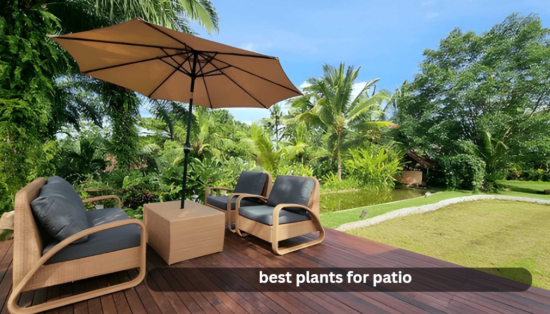
Hostas grow well in shaded patios during warmer months. They return in the spring after dying back in the winter.
If you are looking for best plants for patio containers in cold zones, consider hardy ornamental grasses. They survive winter and add texture.
In these regions, using frost-resistant containers matters. Wood and thick resin pots insulate roots better than thin plastic.
Many gardeners who follow advice from mygardenandpatio robert recommend grouping containers together in winter to protect root systems from wind exposure.
Low-Maintenance Patio Plants for Busy Homeowners
Not everyone has time to water daily. Low-maintenance plants save effort.
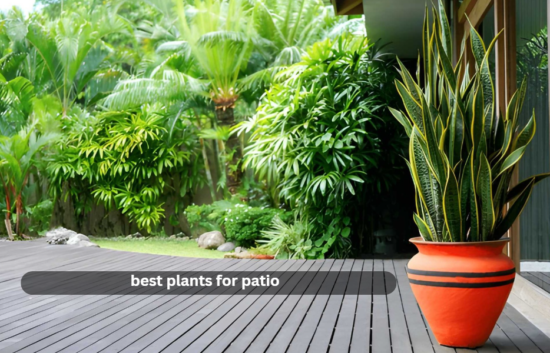
Snake plants grow well in shaded patios and require minimal watering. Compared to most plants, they can withstand neglect better.
Water is stored in the leaves of sedum cultivars. They grow in shallow containers and require little care.
For sunny patios, lantana thrives in heat and attracts pollinators. It blooms for months without heavy feeding.
Choosing the best plants for patio areas with low maintenance in mind means focusing on drought tolerance and pest resistance.
Many homeowners who read guides on mygardenandpatio com prefer mixing evergreen plants with one seasonal bloomer to reduce upkeep.
Mixing Edible and Decorative Plants
Patios can serve both beauty and function. Herbs grow well in containers across most climates.
Basil thrives on warm summer patios. Mint grows aggressively but stays controlled in pots.
Thyme tolerates dry soil and strong sun.
Cherry tomatoes can grow in larger patio containers with support cages. In warm states, they produce fruit all summer.
When combining edible plants with decorative foliage, think about height and color balance. Tall plants should sit at the back of the patio layout. Short plants fill front spaces.
The best plants for patio setups often combine herbs with flowers for a layered look that feels natural.
Soil and container selection matter.
Plant choice is only part of the equation. Soil quality impacts root health. Always use potting mix instead of garden soil in containers. Potting mix drains better and prevents compaction.
Drainage holes are essential. Without them, roots sit in water and rot.
Larger pots protect roots from temperature swings. Small pots dry quickly in summer and freeze quickly in winter.
Adding mulch on top of container soil reduces evaporation in hot climates.
Healthy soil supports stronger growth, fewer pests, and better blooms regardless of region.
Designing a Balanced Patio Plant Layout
Good plant selection improves visual appeal, but layout brings it together.
Start with anchor plants. These are taller plants placed in corners or behind seating areas. In the center, add medium-height fillers. To soften edges, use trailing plants like sweet potato vine or ivy.
Use color with intention. Too many bright flowers can feel cluttered. Green foliage creates balance.
Spacing matters. Plants need airflow to stay healthy. Crowded containers increase disease risk in humid climates.
The best plants for patio design succeed when arranged in layers and grouped by water needs.
Common Mistakes to Avoid
Many patio plants fail due to simple errors.
In every climate, overwatering occurs frequently. Before adding water, always check the moisture content of the soil.
Growth is poor when sunlight is ignored. Full sun plants need six hours or more of direct sunlight.
Using the wrong container size limits root growth.
Skipping seasonal adjustments also causes stress. In cold climates, bring sensitive plants indoors before frost.
Learning from mistakes improves long-term success. Patio gardening becomes easier each season when plants match your environment.
Final Thoughts
Choosing the best plants for patio spaces across the United States comes down to climate awareness and smart planning. Desert regions require drought-tolerant varieties. Humid climates demand airflow and moisture control. Coastal zones allow flexibility. Northern climates need frost-resistant options.
When you match plants to your local weather patterns and container setup, success becomes predictable. Healthy roots lead to healthy growth. Balanced layouts create inviting outdoor spaces.
A patio should feel comfortable in every season. With the right plant choices and steady care, it can become one of the most enjoyable parts of your home.