Robert MyGardenAndPatio Small Space Ideas That Actually Work
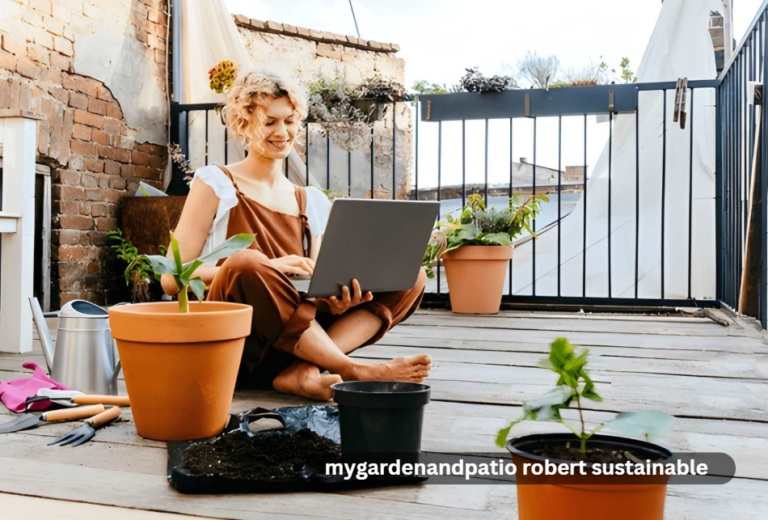
Small outdoor spaces are part of daily life for many people in the United States. Apartments often have narrow balconies. Townhomes might have patios just wide enough for a couple of chairs. Even houses can have yards that feel more like strips than open spaces. Robert MyGardenAndPatio focuses on making these spaces usable without crowding them. It isn’t about decorating every inch or following trends. The idea is simple. Clear walking paths, seating that fits, and plants that stay under control. When small outdoor spaces are planned around how they are actually used, they stop feeling cramped and start feeling inviting.
Planning Around Daily Use
Before adding anything, it helps to think about what you really do outside. Morning coffee, reading, small dinners, or just some fresh air—each activity needs slightly different space. MyGardenAndPatio encourages homeowners to plan with purpose. That means looking at what works for everyday life, not just for occasional guests. When you know how the area will be used, choices about furniture, lighting, and plants get easier. And the space ends up feeling natural rather than forced.
Balancing Structure and Greenery
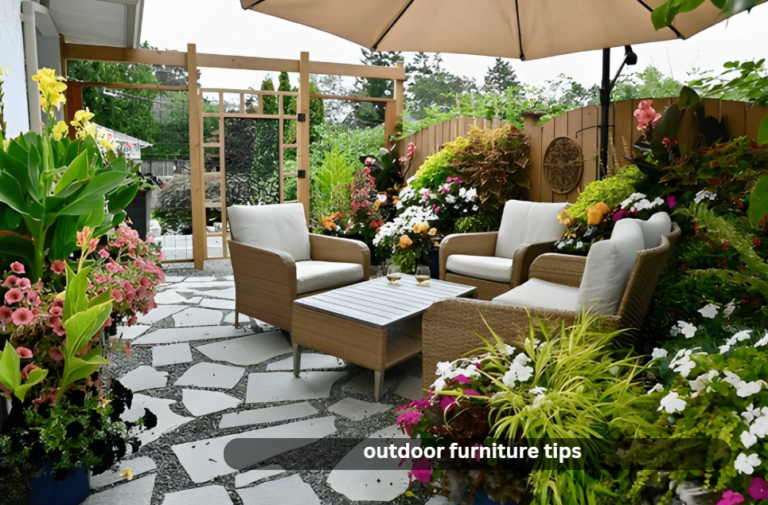
Plants make patios feel alive, but too much can make them feel crowded. KdArchitects Landscape Ideas by Roger Morph emphasizes structure first. Defined edges, contained planters, and slower-growing species help keep things manageable. Vertical planting can free up the floor. When vegetation surrounds a small garden rather than takes over, it works best. With a little planning, even a tiny yard can feel open and organized.
Aligning Design With Architecture

How your home is built affects how the outdoor space should look. KdArchistyle Architecture Styles by KdArchitects show that clean lines and matching materials make patios feel intentional. When furniture, planters, and pathways follow the home’s style, a small space seems cohesive. Without that alignment, even a neat layout can feel improvised. Paying attention to proportion makes compact areas feel bigger than they are.
Timing and Planning for Success
Small spaces require patience. Rushing furniture purchases or planting schedules can quickly lead to overcrowding. www MyGardenAndPatio .com suggests planning in stages. Measure first. Map out your layout. Add furniture and plants afterward. Doing things in order helps everything fit and prevents costly mistakes. It also makes the space usable from the start, rather than a series of half-finished projects.
Scaling Ideas to Fit Your Space
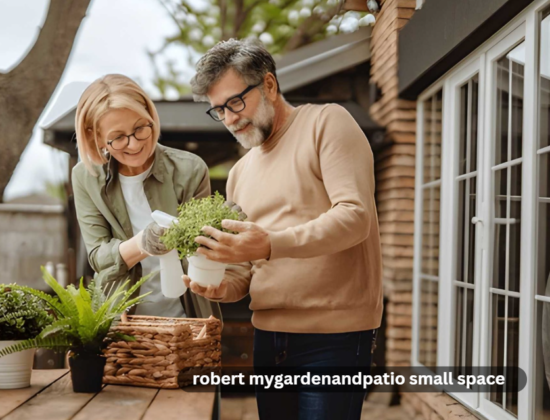
Designs meant for larger yards often fail when shrunk down. www MyGardenAndPatio com explains how to adapt ideas. Slim tables, movable chairs, and appropriately sized planters help maintain function. Scaling carefully ensures the patio isn’t overcrowded visually or practically. Size considerations can have a significant impact on comfort and usability.
Furniture That Works in Small Spaces
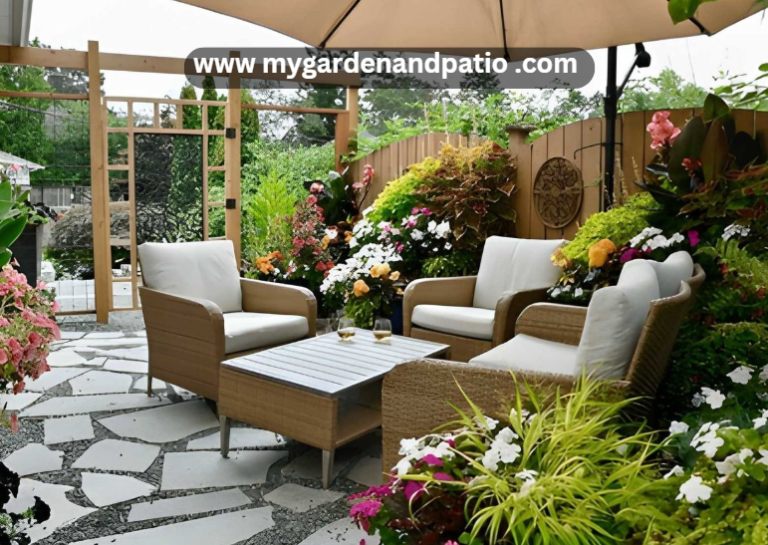
Comfort matters, but scale is more important. MyGardenAndPatio Robert emphasizes lightweight, movable furniture. Chairs without arms, foldable tables, and benches flush against walls create flexibility. Furniture should match how the area is actually used. When pieces are thoughtfully selected, even a small patio can handle morning coffee, evening drinks, or a few friends without feeling tight.
Lighting for Comfort and Safety
Small patios often feel tighter after sunset. Layered, soft lighting can change that completely. mygardenandpatio com recommends warm LEDs or solar lights along edges or behind plants to add depth. A task light on steps or near cooking areas ensures safety. Proper placement makes the space feel cozy, safe, and slightly larger without overpowering the senses.
Maintenance Made Simple
A space that looks good but is high maintenance often goes unused. Choosing materials that are easy to clean, plants that don’t demand constant attention, and minimal furniture helps keep things practical. A little care now and then—dusting, trimming, cleaning—keeps the patio functional. Small spaces benefit from simplicity, and homeowners can actually enjoy their space instead of worrying about upkeep.
Maximizing Function Without Clutter
At the end of the day, it’s all about balance. Leave open areas, choose items that fit, and plan thoughtfully. Following these ideas, Robert Mygardenandpatio Small Space Design turns tight patios and gardens into usable, comfortable extensions of the home. Even the smallest outdoor areas can feel calm, organized, and welcoming when the design respects limits and focuses on real use.