The Story Behind Robert MyGardenAndPatio and His Practical Gardening Approach
Gardening advice in the United States often swings between two extremes. Some guides feel too technical. Others focus only on pretty photos. What many homeowners want is simple help that works in real backyards. That is where robert mygardenandpatio stands out. His approach is built around clear steps, realistic budgets, and gardens that fit everyday life.
This article looks at the story behind robert mygardenandpatio, how his ideas developed, and why his method connects with homeowners across different U.S. climates. You will learn how his background shaped his thinking, what makes his gardening style practical, and how his advice can help you build an outdoor space that lasts. The goal here is not hype. It is to understand what works and why his approach continues to gain attention among people who want useful, honest gardening guidance.
The Beginning of Robert MyGardenAndPatio
Every strong gardening philosophy starts with experience. In the case of robert mygardenandpatio, that experience came from hands on work in real yards, not show gardens. He focused on the daily problems homeowners face. Poor soil. Limited space. Harsh summers in the South. Long winters in the Midwest.
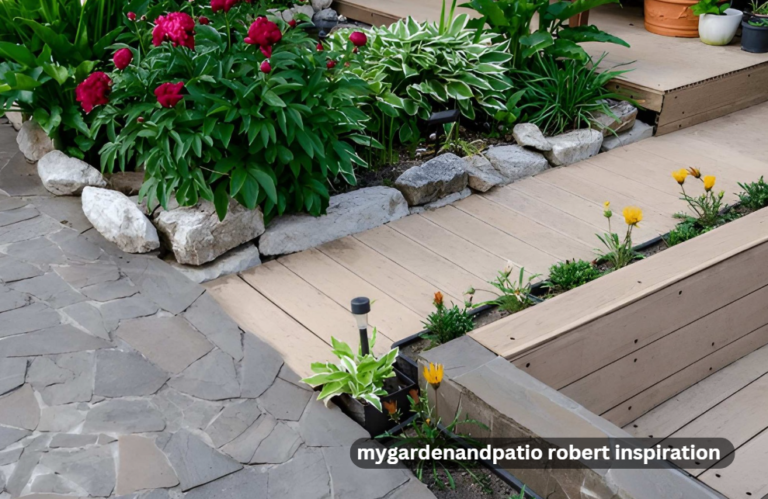
Early on, his content under mygardenandpatio centered on basic improvements that made an immediate difference. Instead of complex landscaping plans, he shared ideas such as improving drainage, choosing native plants, and arranging patios for comfort rather than appearance alone. This practical mindset shaped his identity.
His early readers were regular homeowners. They were not landscape architects. They wanted advice that respected their time and budget. That focus still defines his approach today.
A Practical Philosophy Built for U.S. Homes
There are numerous climate zones in the United States. In Maine, what works in Arizona won’t work. One reason robert mygardenandpatio resonates with readers is that his advice considers climate and region.
He often emphasizes matching plants to USDA hardiness zones. This simple step prevents wasted money and frustration. He also encourages homeowners to observe sunlight patterns before planting anything. These habits sound basic, yet many people skip them.
On www mygardenandpatio .com, the content reflects this grounded thinking. Articles focus on soil health, water management, and seasonal preparation. The advice avoids trends that require constant upkeep. Instead, the goal is long term stability.
This approach aligns with how many Americans think about their homes. They want outdoor spaces that support family life. They want something manageable. His philosophy meets that need.
Why Simplicity Wins in Garden Design
Some outdoor blogs push luxury transformations. Large pergolas. Expensive stone patios. Complex lighting systems. That style looks impressive in photos but often overwhelms homeowners.
The strength of robert mygardenandpatio lies in restraint. His design guidance starts small. Improve one section of the yard. Fix one recurring problem. Build gradually.
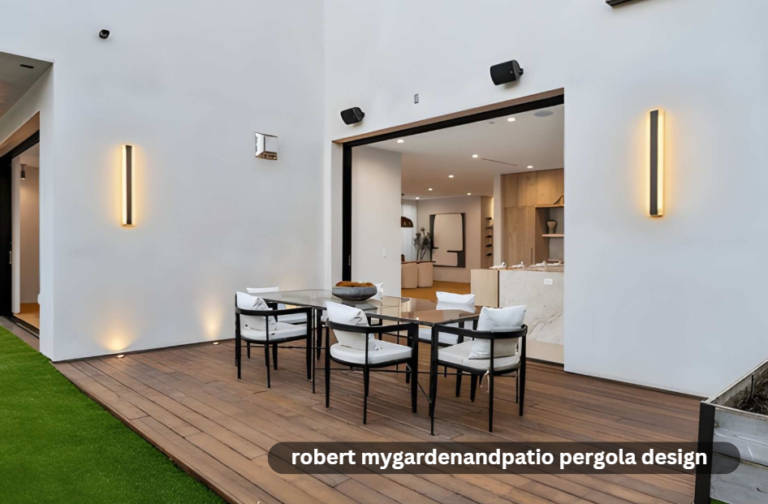
On www mygardenandpatio com, you see repeated emphasis on layout flow. A patio should connect naturally to the house. Walkways should feel intuitive. Seating should face areas people actually use.
This thinking reflects real behavior. Most families gather near the kitchen door or grill. Designing around that reality reduces wasted space. It also lowers costs.
By focusing on function first, he avoids the common mistake of building a garden that looks good but does not support daily life.
Soil First, Everything Else Second
Many homeowners jump straight to plants. They choose flowers based on color or popularity. Then they struggle when growth stalls.
The method promoted by robert mygardenandpatio starts with soil. Improve organic matter. Test drainage. Understand pH levels. These are not flashy steps, yet they determine long term success.
Fertiliser is not as necessary when the soil is healthy. It supports stronger roots. It increases drought tolerance. These benefits matter in regions facing water restrictions.
The emphasis on soil reflects experience. Failed plantings often trace back to poor preparation. Addressing the foundation saves time later. This mindset appears repeatedly across his work and shapes how readers think about their own yards.
Seasonal Planning That Fits American Climates
Gardening in the United States means dealing with clear seasonal shifts in many regions. Spring planting. Summer heat. Fall cleanup. Winter dormancy.
In discussions around mygardenandpatio robert, seasonal planning appears as a core theme. He encourages homeowners to prepare for the next season before it arrives. Mulch before heat spikes. Prune before growth surges. Protect plants before frost hits.
This proactive thinking reduces stress. It also spreads tasks across the year instead of compressing everything into one busy weekend.
By tying advice to seasonal cycles, he keeps guidance realistic. Homeowners can follow a calendar rather than guess when to act.
Low-Cost Outdoor Upgrades
Upgrades to outdoor spaces can rapidly become costly. Patio furniture, lighting, irrigation systems, and decorative features add up.
The philosophy behind robert mygardenandpatio includes cost awareness. He often suggests phased improvements. Start with essential repairs. Add comfort features later. Avoid debt for cosmetic upgrades.
Content on mygardenandpatio com reflects this practical tone. Many ideas rely on rearranging existing materials. Repurpose old bricks for edging. Refinish wood instead of replacing it. Add gravel paths rather than pouring concrete.
This advice connects with middle class homeowners who want improvement without financial strain. It respects real budgets rather than idealized transformations.
Low Maintenance as a Core Principle
Time is limited. Many homeowners work full time jobs. A garden that demands daily attention becomes a burden.
One consistent message from robert mygardenandpatio is to design for low maintenance. Select natural plants. Mulch can be used to inhibit weeds. Install simple drip irrigation where needed.
Native plants adapt better to local conditions. They need less water. They resist pests more effectively. That reduces chemical use and saves effort.
Low maintenance does not mean dull. It means smart selection. A yard that thrives with minimal intervention gives homeowners confidence rather than stress.
This approach aligns with modern lifestyles. People want outdoor spaces that support relaxation, not constant labor.
Outdoor Living Beyond Plants
Gardens are not only about plants. Patios, seating, lighting, and shade structures shape how people use their yards.
The practical mindset of robert mygardenandpatio extends to these elements. He focuses on comfort first. Shade for hot states. Wind protection for colder areas. Lighting for safety before decoration.
Many homeowners over decorate and under plan. They add string lights yet ignore uneven surfaces. They buy furniture that fades quickly in harsh sun.
His guidance centers on durability. Materials should match climate conditions. Furniture should fit available space. Layout should allow easy movement.
This broader view of outdoor living strengthens his credibility. He addresses the entire environment, not just planting beds.
Learning from Mistakes and Real Projects
A strong feature of the robert mygardenandpatio approach is honesty about mistakes. Gardens fail sometimes. Plants die. Drainage problems appear after heavy rain.
Instead of hiding these realities, his style acknowledges them. Failure becomes feedback. Adjust the plan. Improve soil. Rethink plant selection.
This transparency builds trust. Readers feel understood. They recognise that failures are a necessary part of the process rather than evidence of incapacity.
Many gardening articles skip this side. They show finished results without explaining the corrections behind them. His approach feels grounded because it includes trial and adjustment.
Building a Long Term Vision
Short term fixes solve immediate problems. Long term planning creates stability. The philosophy behind robert mygardenandpatio encourages homeowners to think five or ten years ahead.
Trees grow larger. Shade patterns shift. Families change. A patio used for small children may later host teenage gatherings.
Planning for growth reduces expensive redesigns later. It also protects property value. A thoughtful landscape adds curb appeal in competitive U.S. housing markets.
This long view sets his content apart from trend driven blogs. Instead of chasing yearly design fads, he focuses on durability and adaptability.
Why His Approach Connects with U.S. Readers
American homeowners face practical constraints. Time. Budget. Climate extremes. Community rules. The guidance from robert mygardenandpatio fits within those limits.
His tone avoids exaggerated promises. He does not claim instant transformations. He promotes steady progress.
That honesty builds credibility. Readers trust advice that acknowledges effort and patience. Over time, that trust strengthens brand recognition and search visibility.
In a digital space filled with polished images, his practical style stands out because it feels achievable.
Final Thoughts
The story of robert mygardenandpatio is not about flashy landscaping. It is about steady improvement rooted in experience. His practical gardening approach centers on soil health, climate awareness, functional design, and budget control.
For U.S. homeowners, that combination makes sense. It respects real life. It encourages progress without pressure. It values durability over trends.
Gardens built on these principles tend to last. They adapt to seasons. They grow with families. They remain manageable over time.
That is why the approach associated with robert mygardenandpatio continues to attract attention. It does not promise perfection. It offers direction. And that’s just what a lot of homeowners require.