Outdoor Seasonal Care for a Healthy Yard Year-Round
A yard reflects how it is treated over time. Not in a single weekend, and not in one season. Outdoor seasonal care is about paying attention to small changes and responding before problems settle in. In the United States, yards face heat, cold, heavy rain, dry spells, and long dormant periods. Each season leaves a mark, good or bad, depending on how the space is handled. Many homeowners work hard in spring and then slowly lose control by late summer. Others ignore fall and wonder why winter damage shows up in March. Outdoor seasonal care connects these moments. It keeps lawns steady, plants balanced, and outdoor surfaces usable through the year. This article looks closely at how seasonal care actually works in real yards. It explains what to do, when to do it, and why timing matters more than effort. The focus stays on lawns, gardens, patios, trees, and soil working together, not as separate chores. When outdoor seasonal care is done right, the yard becomes easier to manage, not harder.
Why Outdoor Seasonal Care Needs a Long View
Outdoor seasonal care fails when it is rushed or treated like a checklist. Yards respond slowly. Soil changes over months. Roots react over seasons. Grass health today often reflects what happened six months earlier. Understanding this timeline changes how care decisions are made. In colder regions, winter stress weakens roots even when grass looks fine. In warmer states, summer heat quietly drains soil moisture and nutrients. Outdoor seasonal care works when each season prepares for the next. Skipping one phase causes the next to work harder and usually fall short. This long view reduces overcorrection. Instead of reacting to damage, care becomes preventive. That shift alone improves yard health more than any single product or treatment.
Spring Tasks That Repair and Reset the Yard
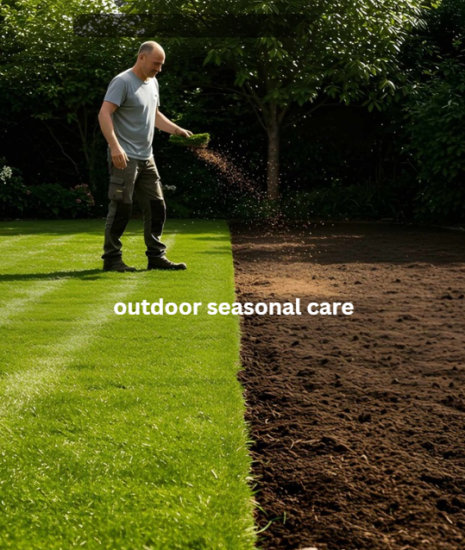
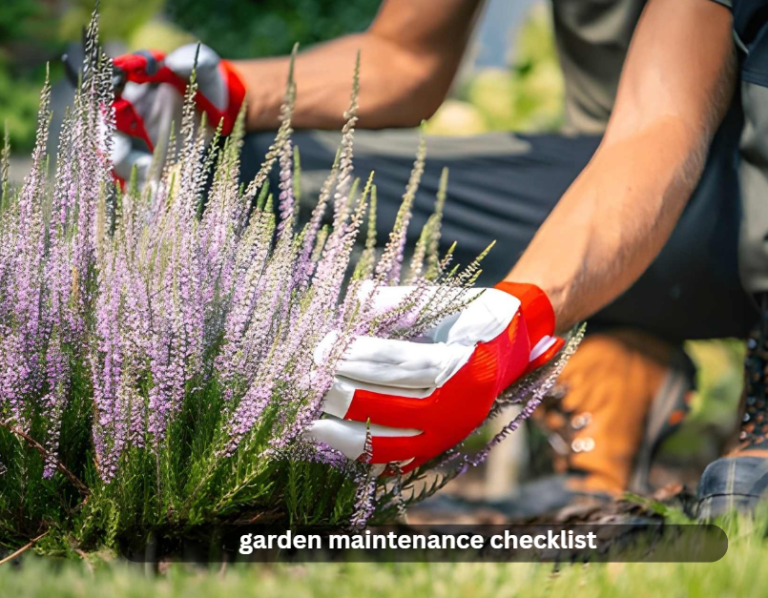
Spring is repair season. Outdoor seasonal care begins by clearing what winter left behind. Debris blocks sunlight and traps moisture. Removing it allows soil to warm evenly and supports early growth. Soil inspection comes next. Compacted areas need loosening so water can move downward instead of pooling. Lawns benefit from gentle raking that lifts grass without tearing roots. Bare areas should be addressed early because spring temperatures support steady germination. Garden beds need attention beyond appearance. Old plant matter should be removed to reduce disease carryover. Compost added now blends naturally with spring moisture. Early fertilization should be light. Pushing growth too fast creates weak plants that struggle later. Spring outdoor seasonal care sets limits. Growth should be supported, not forced.
Summer Care Focused on Stress Management
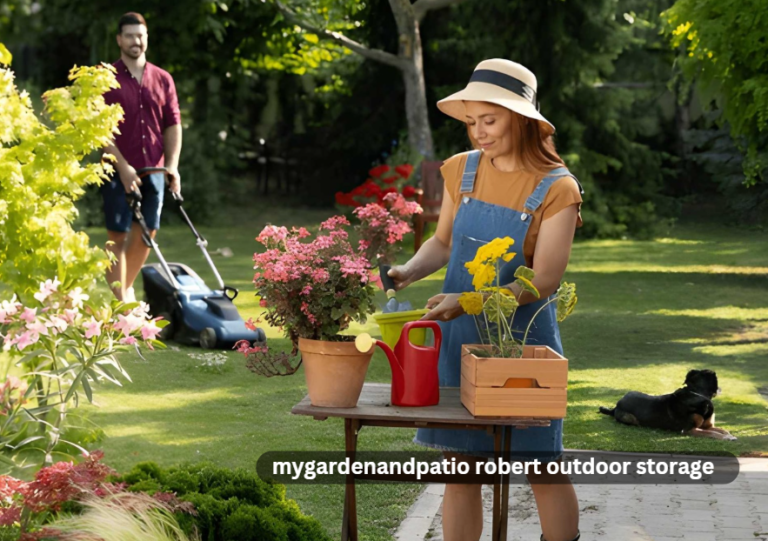
Summer tests every yard. Outdoor seasonal care during this season is about protecting what was built in spring. Water becomes the most misunderstood factor. Frequent shallow watering weakens roots. Deep, spaced watering builds resilience. Mowing height affects soil temperature. Slightly taller grass shades roots and slows evaporation. Mulch in garden beds serves the same purpose. It keeps soil cool and reduces competition from weeds. Heat also reveals drainage problems. Areas that dry too fast or stay soggy need attention before damage spreads. Outdoor seasonal care in summer means observing patterns rather than changing everything at once. Hard surfaces matter too. Patios and walkways expand in heat. Cleaning early prevents staining and surface wear that worsens under sun exposure.
Fall Care That Strengthens the Yard Before Rest
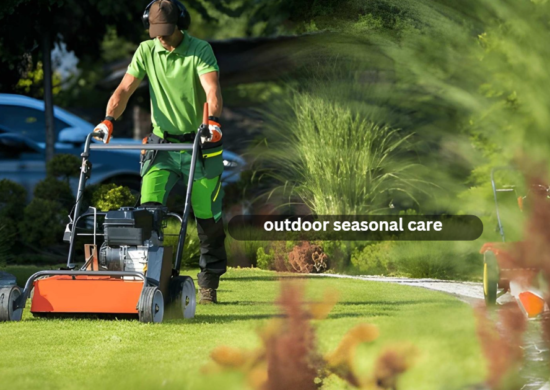
Fall is recovery season. Outdoor seasonal care here often determines how the yard looks next spring. Leaves should be removed regularly. When left too long, they block air and trap moisture against grass. Aeration in fall relieves soil compaction built up over the year. Overseeding fills weak areas while temperatures stay mild. Fertilizing now supports root growth rather than top growth, which improves winter survival. Garden beds benefit from cleanup but not complete stripping. Some plant material protects soil through winter. New trees and shrubs establish well in fall because roots grow without heat stress. Fall outdoor seasonal care rewards patience. Results show months later.
Winter Protection That Prevents Lasting Damage
Winter care is quiet but important. Outdoor seasonal care during cold months focuses on prevention. Frozen soil compacts easily. Avoiding traffic on lawns protects the structure beneath the surface. Snow should be managed carefully. Piling it on sensitive plants causes breakage and prolonged moisture exposure. Ice control methods should be chosen with nearby soil and plants in mind. Mulch insulates roots and reduces freeze-thaw cycles. Evergreens may need wind protection depending on exposure. Winter is also the best time to review the yard without foliage hiding problems. Planning during winter improves decision-making when spring returns.
How Design Choices Affect Seasonal Workload
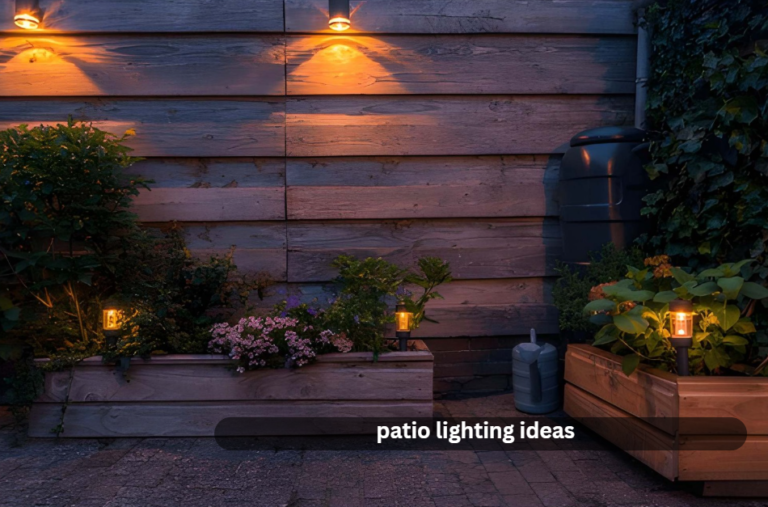
Outdoor seasonal care becomes easier when the yard is designed with maintenance in mind. Drainage, spacing, and material choices shape how the yard responds to weather. Poor layout creates ongoing seasonal problems. Design ideas associated with robert mygardenandpatio often reflect this balance between structure and plant growth, helping yards age better with fewer seasonal corrections. Examples shared through mygardenandpatio show how clear paths and defined beds simplify care across changing seasons.
Learning From Consistent Information Sources
Reliable guidance shapes better outdoor seasonal care habits. Resources like www mygardenandpatio .com often stress timing and restraint rather than quick fixes. Content found on www mygardenandpatio com reinforces steady routines that match real climate patterns. Insights associated with mygardenandpatio robert focus on observation and adjustment instead of rigid schedules. Broader discussions on mygardenandpatio com encourage flexibility, which matters when seasons behave unpredictably.
Conclusion
Outdoor seasonal care is not about perfection. It is about rhythm. Each season supports the next when care stays measured and timely. Spring repairs, summer protects, fall strengthens, and winter preserves. Together, they form a system that keeps outdoor spaces healthy without constant effort. When outdoor seasonal care becomes a habit instead of a reaction, yards last longer, look better, and demand less work over time.