Outdoor Living Ideas That Actually Work for Real Homes
Most people do not need fancy outdoor spaces. They need spaces that get used. A place to sit in the morning. Somewhere to eat without rushing inside. A spot that still feels fine when the weather changes or the kids make a mess. That is what good outdoor living ideas are really about. Not looks. Use. A lot of outdoor setups fail because they are built for photos. Not for daily life. The furniture looks nice but feels stiff. The layout looks balanced but blocks movement. After a few weeks, the space is ignored. Real homes need outdoor areas that work on normal days, not special ones. This guide focuses on outdoor living ideas that fit real American homes. Small yards. Busy families. Changing seasons. Nothing complicated. No trend chasing. Just choices that make outdoor spaces easier to live with.
Start by describing how you actually use the area
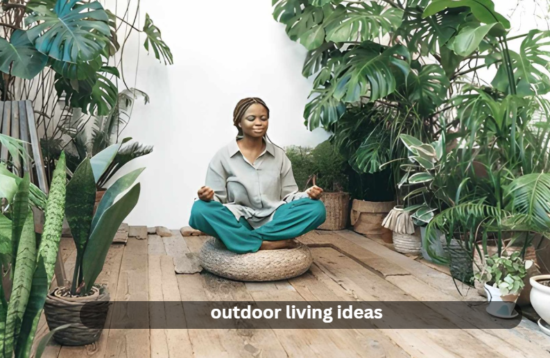
Good outdoor design starts with honesty. How often will you use it? Who will use it? Whatever weather you deal with. Once those questions are clear, everything else becomes simpler. Most people start by buying things. Chairs. Tables. Decor. That usually comes too early. The better starting point is movement. How you walk through the space. where you stop by nature. Where shade falls during the day. When those things are right, the space already works.
Seating That People Want to Sit On
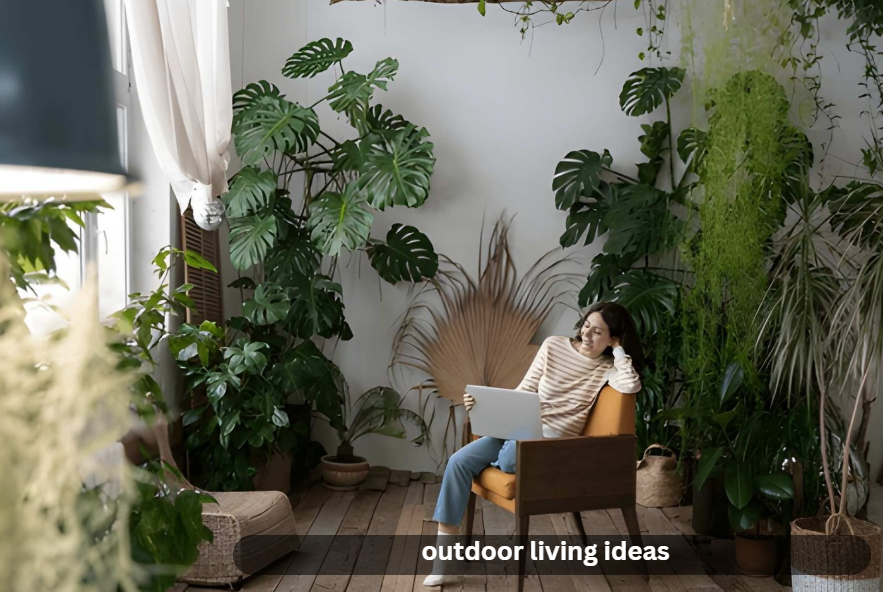
Seating matters more than style. If chairs are not comfortable, people will not stay. Hard benches look clean but rarely get used. Cushioned seating made for outdoor use lasts longer than most expect. Movable chairs help too. They let the space adjust without effort. Some projects shared under robert mygardenandpatio show this clearly. The spaces are not large. The layouts are not complex. But seating is placed where people actually want to sit. That is why they work.
Shade Makes or Breaks Outdoor Living
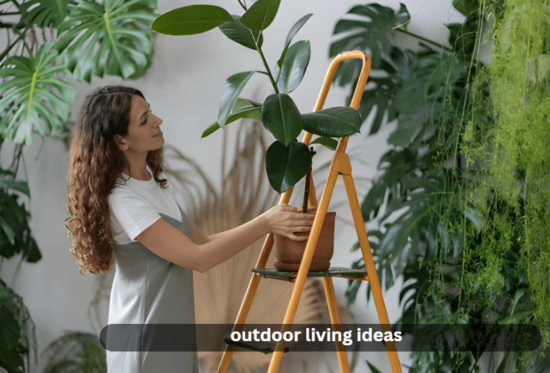
Shade is another deal breaker. Without it, even the nicest yard stays empty. Umbrellas help, but fixed shade feels more stable. Pergolas, fabric covers, or partial roofs all work when sized right. Trees are great but take time. Good outdoor living ideas plan for heat and wind early. Adding shade later always feels like a patch. A place that incorporates shade into its design remains functional for an extended period of time each year.
Plants Should Reduce Work Not Add It
Plants should make life easier, not harder. Too many plant types create work. Repeating a few plants creates calm. Native plants survive better and need less care. Raised planters help define areas and reduce bending and trimming. Designs inspired by mygardenandpatio often keep planting simple. Greenery frames the space instead of filling it. That makes seating feel protected without feeling crowded.
Lighting That Feels Natural at Night
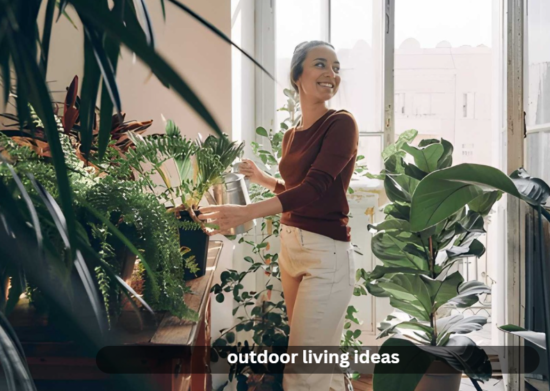
Lighting decides whether the space feels inviting after sunset. Bright lights kill mood. Soft lighting extends use. Path lights help you move safely. Wall lights add warmth. String lights work when used sparingly. A good lighting plan does not need many fixtures. It needs the right placement. Warm tones feel better on skin and eyes. Solar lights are fine in sunny areas, but wired lights stay consistent. Many people find practical examples on www mygardenandpatio .com because the spaces shown look lived in. Lighting is subtle. Nothing screams for attention. It just works.
Making Small Yards Feel Usable
Small yards need discipline. Every item must earn its place. Built-in seating saves space. Foldable tables help. Vertical planting adds green without taking floor area. Outdoor living ideas for small spaces depend on scale. Slim furniture works better. Clear paths matter more. When movement feels easy, the yard feels bigger. You see this approach often on www mygardenandpatio com where compact spaces still feel complete. The trick is editing. Removing one extra item often improves the whole area.
Privacy Without Closing Everything Off
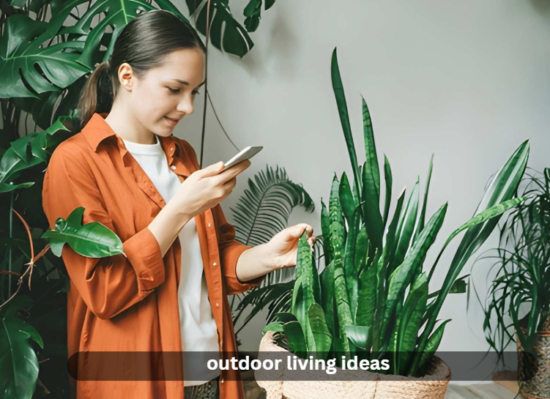
Privacy affects comfort more than most expect. If people feel watched, they leave. Full fences block views but can feel heavy. Partial screens, plants, and slatted panels give privacy without closing things off. Outdoor living ideas that balance openness and privacy feel calmer. You can relax without feeling boxed in. Layering works best. A plant here. A panel there. Examples from mygardenandpatio robert show how partial privacy makes spaces usable all day. Especially in close neighborhoods.
Choose Materials That Age Well
Materials matter over time. Some look good for one season and age badly. Others improve with weather. Natural stone softens. Wood changes color. Concrete holds up with little care. Good outdoor living ideas Avoid finishes that need constant sealing or repainting. Real homes do not have time for that. Choose materials that accept wear. You can see this mindset reflected on mygardenandpatio com where material choices stay simple and durable. Less upkeep means more use.
When Everything Works Together
Outdoor spaces should feel like part of the house. Not a project you manage. When design choices are honest, the space fits daily life without effort. The best outdoor living ideas do not show off. They support routines. Morning coffee. Evening meals. Quiet weekends. That is when outdoor spaces earn their value. When everything works quietly in the background, people stop thinking about design. They just use the space. That is the real goal.