MyGardenandPatio com: Simple Ideas for a Better Garden and Patio
A mygardenandpatio com should feel useful and calm. You want to find a place to read, grill, have coffee, or sit with friends. This article shows simple steps that work for most homes in the United States. I use plain language and clear actions so you can start right away. The advice here comes from common practice and from examples on mygardenandpatio com that focus on practical projects you can finish without fancy tools. You will find planning tips, plant choices that suit common climates, small space tricks, hardscape basics, and seasonal care that keeps work low. The tone is straightforward and honest. If you follow a few steady steps, your outdoor space will become easier to use and nicer to look at. My aim is to give hands-on guidance you can use this weekend and then build on over time. The name mygardenandpatio com is part of this guide because those simple examples help people see what works in real yards.
Planning your space with purpose
Start by deciding how you will use the area most of the time. Walk the yard and notice where the sun is through the day. Mark spots that are windy or that tend to collect water. A quick sketch helps. Place the main seating nearest the house for easy access. Set a small planting zone a little farther out so plants do not crowd the sitting area. Measure and keep furniture sizes in mind so chairs and pathways move comfortably. Plan for power and water now so lights and container watering are practical later. If the budget is small, stage the work. Finish a seating area first and add plants or lighting later. These steps make the whole project feel manageable and keep waste low. When you follow this approach, you avoid redoing things later and get a patio that fits how you live.
Choosing plants that fit your home
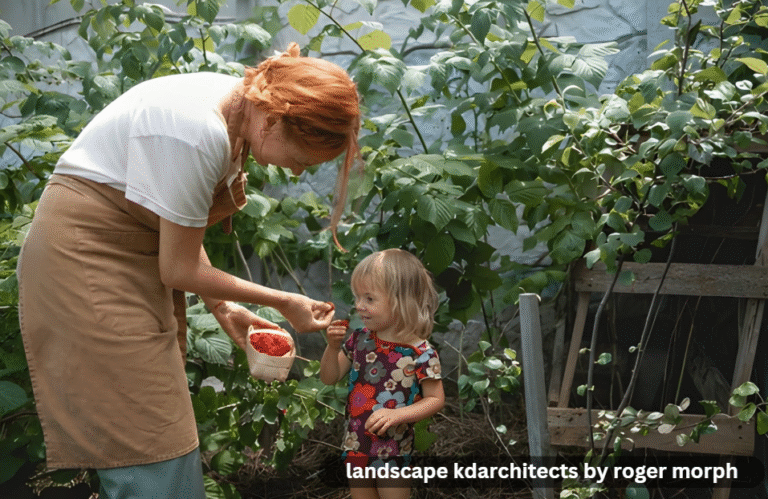
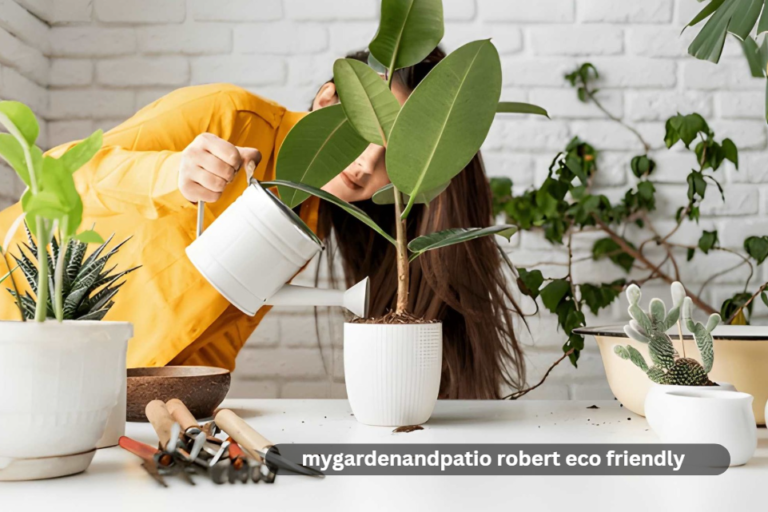
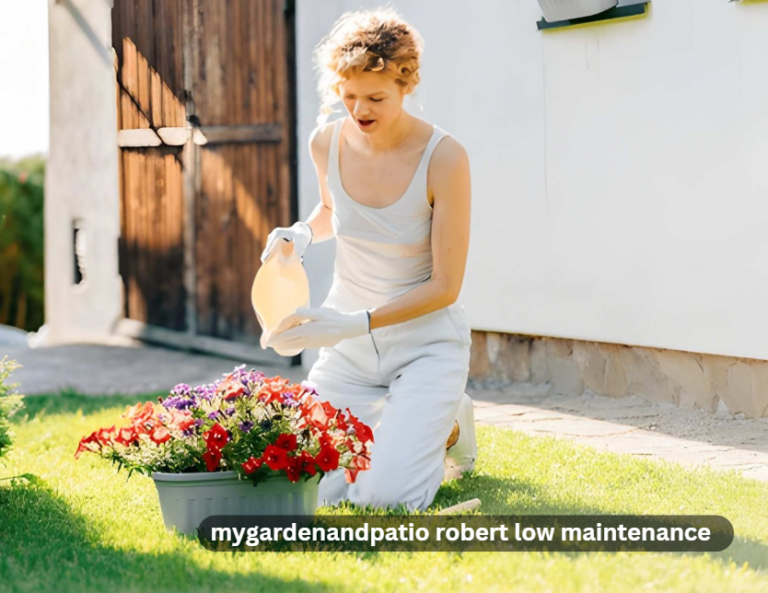
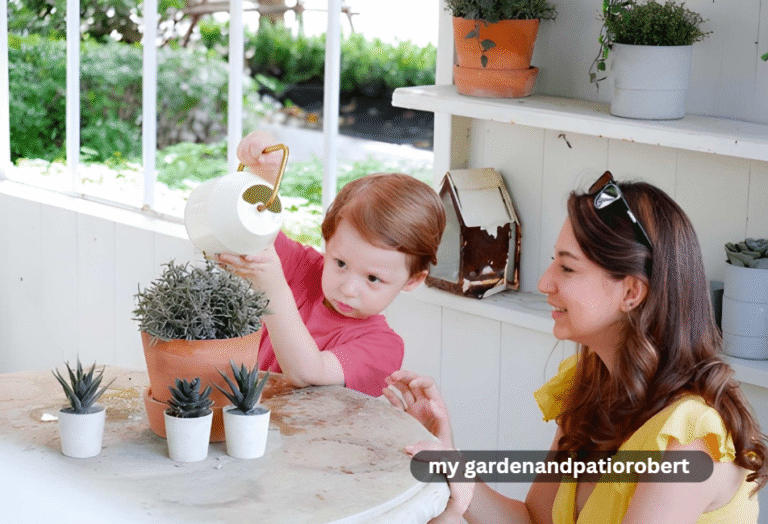
Choose plants that thrive in your current environment. Learn your local hardiness zone or ask a garden center what thrives nearby. Native plants often need less water and fewer chemicals. For hot, dry yards, pick drought-tolerant perennials. For cool or wet yards, pick plants that like moisture. Sort plants based on their water requirements to avoid overwatering certain areas of the yard. Containers work well on patios because they are flexible. Use pots for herbs, small vegetables, or colorful annuals. Choose soil that drains well in pots and mix compost into garden beds. In small spaces select plants that stay compact or that you can prune without changing the scale of the area. These choices reduce work and keep the space looking good through the seasons. Practical plant decisions are at the heart of the advice you will see on mygardenandpatio robert pages that focus on do-it-yourself success.
Designing a patio layout that works
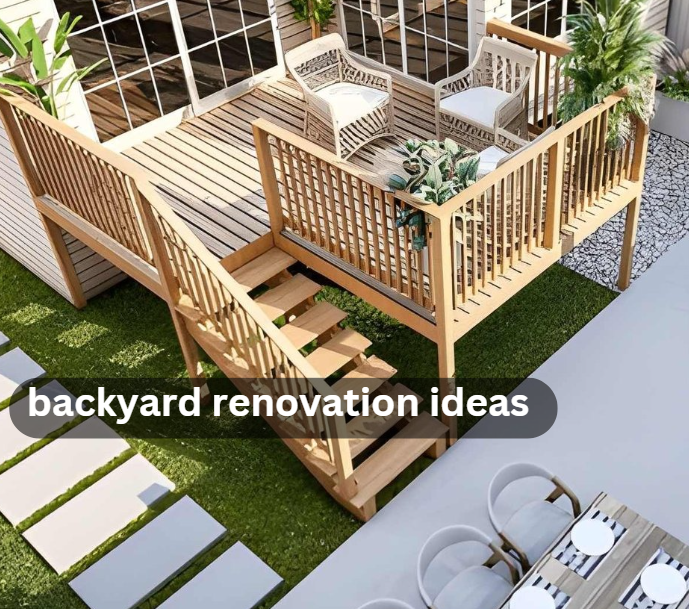
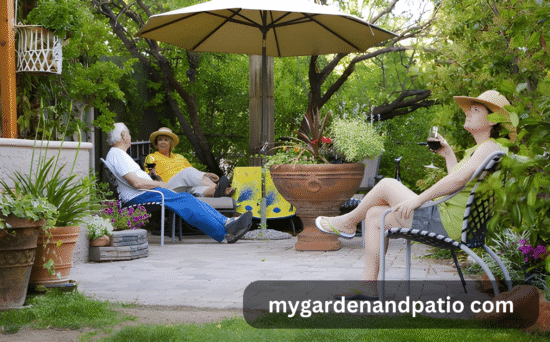
Think of the patio as an outdoor room. Arrange seating so people face each other to help conversation. Leave clear paths so moving around feels natural. For dining, leave space to pull chairs easily. In tight areas pick furniture with slim profiles so the area feels open. For larger yards, create zones for dining, cooking, and relaxing so each activity has its own place. Match surfaces to use. Concrete is hard-wearing, while pavers allow easier repairs. Wood gives warmth but needs occasional sealing. If you like to change the setup, pick modular furniture that you can rearrange quickly. Add one focal point, like a planter or a small fountain, to give the area balance. These practical moves turn an empty slab into a space you will use often.
Small space ideas that make a big difference
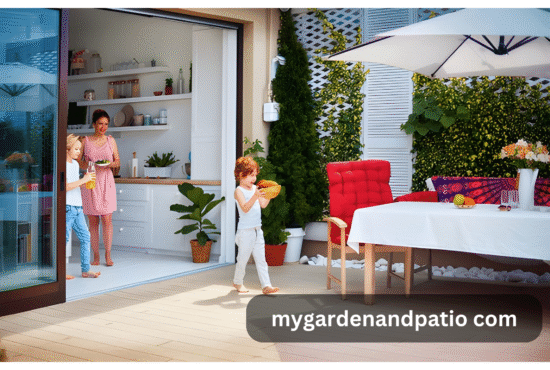
If you have limited square footage, use vertical space to add interest. Wall-mounted planters and tall pots lift the eye and preserve floor area. Narrow benches double as storage. Mirrors on a protected wall can reflect light and open the feel. Use foldable chairs for flexibility and stack them when you need room. Match the patio floor to the doorway threshold to blur the line between inside and out and make the area feel larger. Planter shelves along a wall free the ground space. Small patios work best when several small moves add up rather than one oversized piece that crowds everything. These tricks let a tiny spot feel relaxed and useful.
Hardscape basics that last
Good hardscape starts with a solid base. To prevent pavers from sinking, compact the ground before placing them. Slope surfaces away from the house to prevent water problems. For raised beds, use rot-resistant wood or stone and keep edges low so they do not block sight lines. Gravel is good for informal paths and drains well. Natural stone looks great but may need sealing. For cold climates, choose materials that stay slip-resistant in winter. Plan drainage at the start to avoid repairs later. A well-built hardscape supports plants and furniture and reduces maintenance. That kind of durable work is a common theme on www mygardenandpatio .com where practical projects show what holds up through seasons.
Picking furniture that invites use
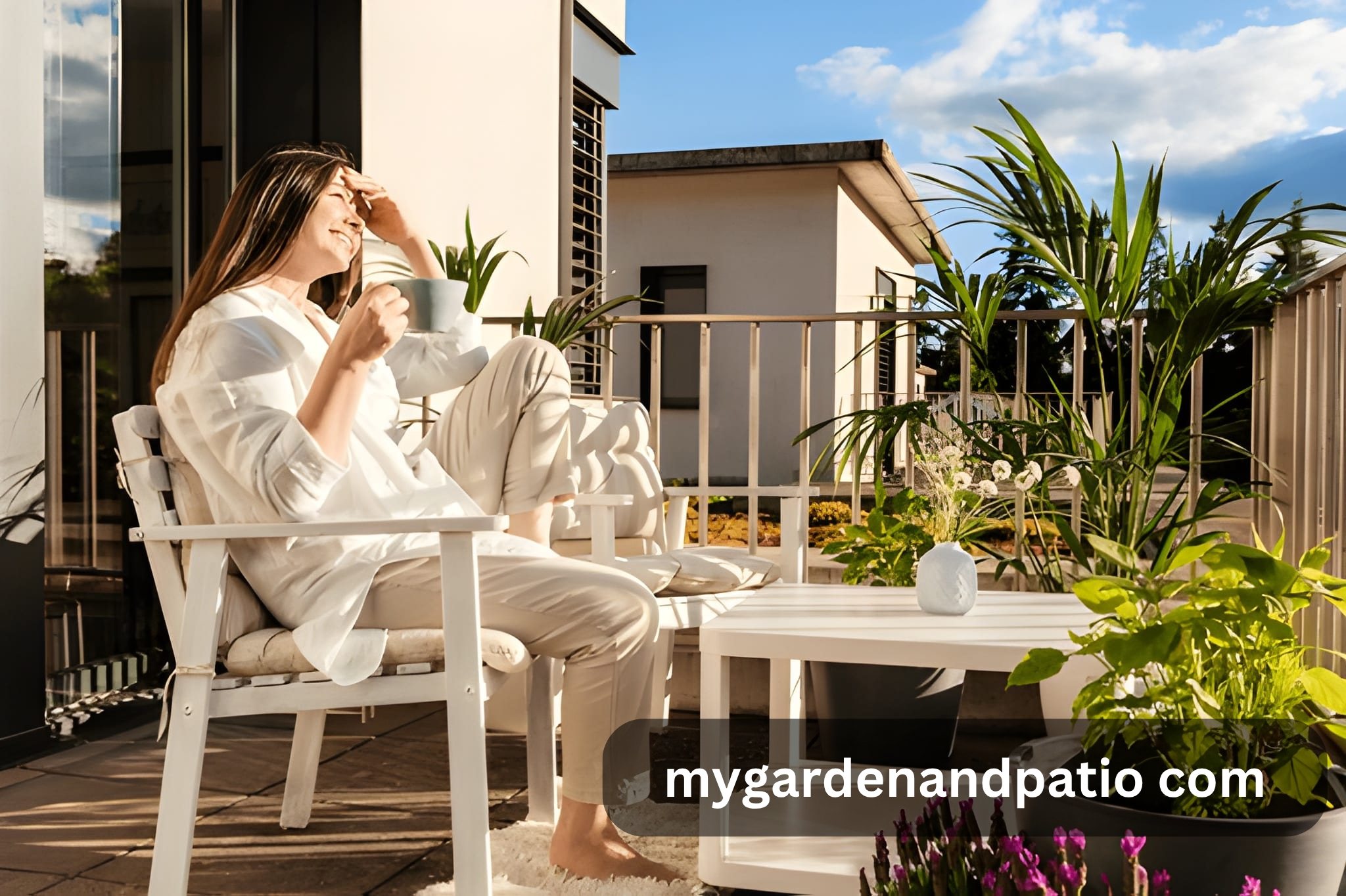
Comfort beats style when www mygardenandpatio com is in daily use. Choose chairs that you want to sit in and a table that fits how you live. For cushion fabrics, pick fast-drying, washable materials. Teak and aluminum are durable frame options. A small outdoor rug grounds the seating and adds comfort. Consider storage for cushions so weather does not shorten their life. Scale matters. A narrow loveseat can feel better than a bulky set that takes up the whole patio. Test a few seating configurations before buying. When furniture feels right, you will spend more time outside.
Lighting that extends your hours outside
Good light makes evenings useful and safe. Use layered light with bright fixtures for cooking and soft lights for lounge areas. String lights create a warm glow with low effort. Solar lights work for pathways without wiring. For reliable evening use, install a few hardwired outlets now while doing other work. Timers and dimmers help set the mood and save energy. Avoid harsh glare and choose warm light for seating areas. Proper lighting turns the yard into a room after dark.
Seasonal care that keeps the space ready
A little routine saves a lot of work. In spring, clean surfaces and check woodwork. In summer, check soil moisture and prune to keep paths clear. In fall, store cushions and sweep leaves away. In winter, protect tender pots and cover furniture when needed. Add compost once a year to garden beds to restore nutrients. Mulch keeps moisture steady and cuts weeds. Address pests early to avoid major plant loss. These simple habits lengthen the life of both plants and patio features and keep the space comfortable year-round.
Budget-friendly upgrades that look intentional-round
Robert Mygardenandpatio can change the whole feel. Paint or stain existing furniture for an instant refresh. Add a few large pots with low-maintenance perennials to frame a seating area. Swap in a string of lights for a quick mood update. Build a simple privacy screen from slatted wood or wire mesh and climbing vines for a natural look. Use reclaimed wood for planters to save cost and add character. Focus on visible areas first because they shape how the space feels. Practical, low-cost moves often deliver more impact than expensive items.
Eco-friendly choices that reduce work
Choose native plants and you will water less. Collect rain in a barrel for container plants and reduce mains water use. Use drip irrigation to feed roots directly and reduce waste. Compost kitchen scraps to build soil and skip heavy fertilizers. Pick materials that last so you do not replace them often. LED lights and timers cut energy use. The mygardenandpatio.comis easier to maintain and more hospitable to pollinators and birds when it is designed with nature in mind.
Putting it into practice this month
Take on a project that you can do in a weekend to start. Plant a set of containers with herbs and small flowers. To make the seats feel cozier, add a small rug and a string of soft lights. Test one plant in a pot before committing to a large bed. Keep notes on what thrives so you can repeat it. The practical examples on mygardenandpatio.com can help you choose plants and layouts that work in typical American yards. Over time small wins add up, and the space grows into something you use every day.At robertmygardenandpatio, we’re dedicated to turning every corner of your home and garden into a space of comfort, style, and practicality.
Final Remarks
A better garden or patio is built with simple steps that match how you live. Plan clearly, pick plants that suit your climate, choose durable materials, and do small regular maintenance. If you need a starting point, look for practical projects that show build steps and real timelines. The guidance found on www.mygardenandpatio.com and from voices like My Garden and Patio’s Robert focuses on a do-it-yourself sense and real value. Use these ideas and pace the work. Your outdoor space will become easier to care for and more enjoyable to use. If you make steady small changes, the yard will grow into a place that fits your life.