Simple Design Ideas for Home Gardens and Patios
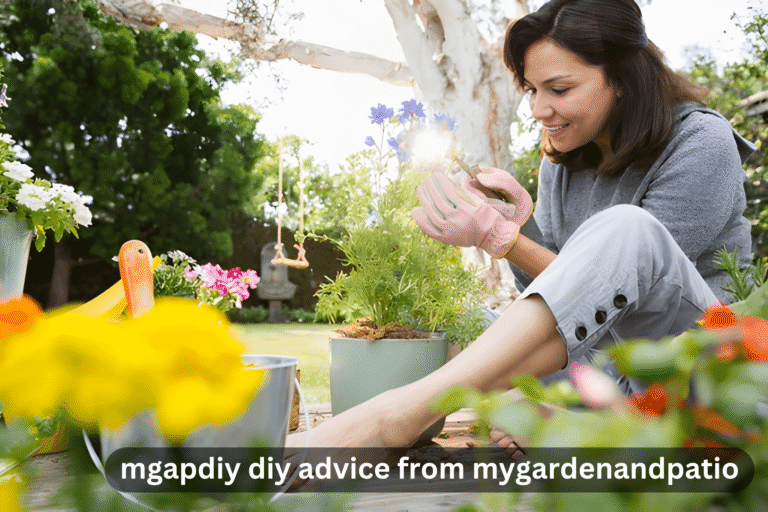
People across the United States are rethinking how they use outdoor space. Lawns alone are no longer enough. These days, how a yard feels and how frequently it is used are important. Because of this change, patios and house gardens are created with everyday life in mind. These spaces are no longer extras. They are part of how people relax, eat, and spend time with others. Good design starts with restraint. A garden does not need many features to feel complete. Too many elements create work instead of comfort. Clear space, steady paths, and practical seating usually matter more than decoration. When the layout makes sense, the space becomes easier to maintain and easier to enjoy. That balance is what defines strong home gardens and patios today. Every yard has limits. Sun exposure, soil quality, and weather patterns shape what works. Ignoring these basics leads to frustration. Accepting them leads to designs that last. A patio placed where shade naturally falls will get more use. Plants chosen for the local climate stay healthy with less effort. This approach saves time and avoids constant fixes. The most successful outdoor spaces feel calm. They are not empty, but they are not busy. They allow movement without confusion. They give the eye a place to rest. That is how home gardens and patios become part of everyday living instead of projects that never feel finished.
Planning the Layout First
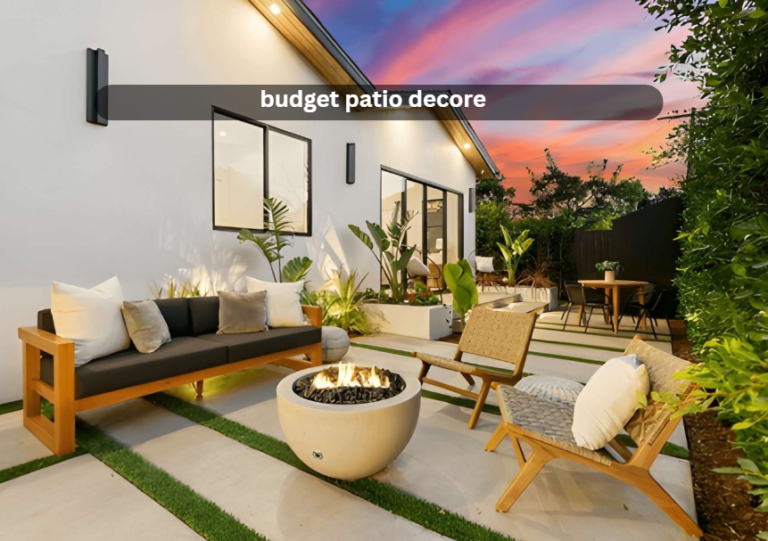
Layout is the quiet foundation of outdoor design. Before plants or furniture, the ground plan matters. where people stroll. where they are seated. where they stop. A clear path from the house to the patio sets the tone. Without any boundaries or signage, it instructs visitors on how to navigate the area. Layout becomes much more crucial in smaller yards. One strong seating area works better than several small ones. Open space between elements creates breathing room. When areas overlap too much, the yard feels tight. Clean separation helps home gardens and patios feel larger than they are.
Patio Placement That Feels Natural
Patio placement should feel intentional. It ought to be simple to connect to the house. The ideal location for outdoor dining is next to the kitchen. Seating that is quieter should be farther away. Despite their apparent simplicity, these decisions are frequently disregarded. When placement feels natural, the space gets used more often.
Plant Choices That Make Sense

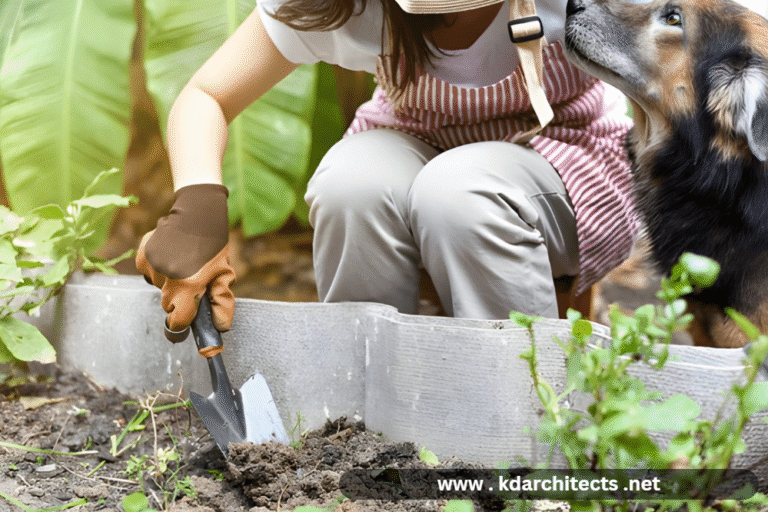
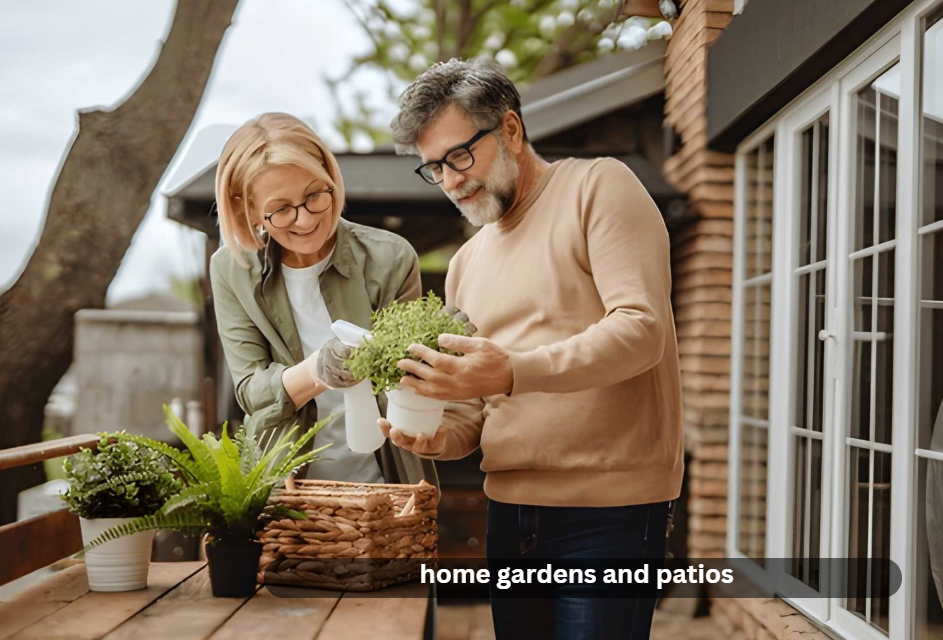
Planting should support the structure, not fight it. Too many plant types add confusion. Fewer varieties create consistency. Repeating plants along borders or paths helps guide the eye. This technique brings order without formality. Native plants are a practical choice in many regions of the United States. They handle local weather and soil better. They also require less water over time. That matters for both cost and effort. Strong home gardens and patios depend on plants that thrive without constant attention.
Using Hard Materials Wisely
Hard materials give shape to the garden. Concrete, stone, and wood all work when used simply. Smooth surfaces are easier to clean and easier to walk on. Patterned finishes often look dated faster. A plain surface stays relevant longer. Consistency in materials matters. When the same stone appears in steps, borders, and patio edges, the space feels connected. Mixing too many textures breaks that flow. Unified surfaces help home gardens and patios feel calm and settled.
Furniture That Encourages Use
Furniture should never be an afterthought. Comfort determines whether people stay outside or go back in. Chairs should support the body. Tables should fit the space without crowding it. Lightweight furniture allows easy movement as needs change.
Shade and Comfort
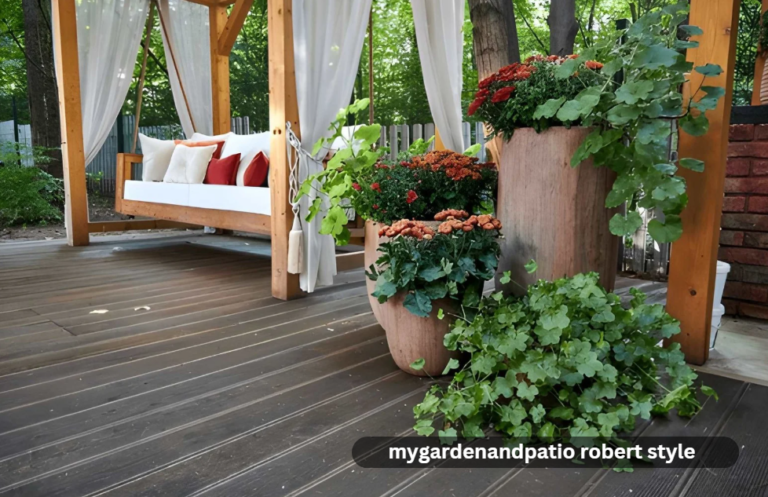
Shade plays a major role in comfort. Trees, pergolas, and umbrellas all work when placed correctly. Flexibility is provided by shade that moves with the sun. Permanent shade works best where seating stays fixed.
Lighting for Evening Use
Lighting extends the life of the space. Soft light near seating areas allows evening use without glare. Path lighting improves safety. Bright fixtures are rarely needed. Subtle lighting supports atmosphere instead of overpowering it.
Keeping Water Features Simple
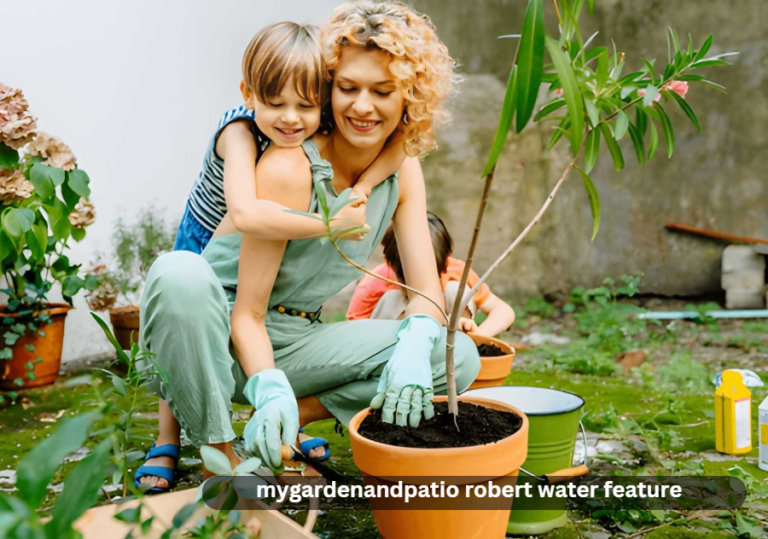
Water features should remain simple. A small fountain provides sound without dominating the yard. Large installations demand upkeep and attention. In balanced home gardens and patios, water adds calm rather than becoming the main attraction.
Design Influence and Real-World Examples
Some designers focus on practical outdoor use rather than trends. The work associated with robert mygardenandpatio often reflects this mindset by prioritizing layout and flow over decoration. Online platforms such as mygardenandpatio have long shown how simple planting and clean patios outperform crowded designs over time. The influence of structured planning can be seen in approaches inspired by kdarchitects landscape ideas by roger morph, where proportion and spacing guide every decision. Architectural thinking also shapes outdoor areas through ideas found in kdarchistyle architecture styles by kdarchitects, which emphasize balance and clear form in both buildings and landscapes.
Earlier planning guides shared on www mygardenandpatio .com focused heavily on durability and everyday function rather than visual trends.
Many homeowners were introduced to practical patio layouts through www mygardenandpatio com, which highlighted straightforward outdoor living solutions.
Design examples connected to mygardenandpatio robert often show how limiting materials and plant types improves long-term results.
Archived layouts from mygardenandpatio com still reinforce one simple truth. Outdoor spaces work best when they are easy to use and easy to maintain.
A Space That Lasts
In the end, strong home gardens and patios do not try to impress. They support daily routines quietly. They invite people outside without effort. When design stays honest and restrained, the space holds its value for years. That is what makes it work.