Gardening: A Simple Guide to Start at Home
You walk outside and pick a handful of crisp lettuce or a ripe tomato still warm from the sun. Families all over the United States do this now because store prices keep going up and they want fresher food on the table. The work gives a break from screens and puts real produce in your meals. This guide covers the steps in plain order. You find a spot that gets enough light. You fix the soil so plants have what they need. You pick crops that match what your family eats and your local weather. You sketch a basic layout. You start seeds or set out young plants at the right time. You water feed and watch for trouble. You adjust as spring turns to summer and fall. The methods work for people with jobs and limited time whether you have yard space or only a balcony.
Why people pick up gardening these days
Grocery costs add up fast so even a small patch helps stretch the budget. Extension offices in states from North Carolina to Iowa see more households trying it because fresh picked vegetables taste better and the routine feels steady. You do not need acres or expensive setups. A sunny area and steady attention bring results. To find your zone, enter your zip code on the USDA Plant Hardiness Zone Map. It shows average lowest winter temperatures so you choose plants that handle your cold snaps. Southern gardeners often plant longer into the year while northern ones watch frost dates closely. Matching plants to your zone cuts down on lost crops and wasted effort.
robert mygardenandpatio shares practical ideas that come from years of hands on experience in real American yards. His tips help new growers avoid common mistakes and focus on what actually works.
Finding a spot that gives plants what they need
Aim for at least six hours of direct light most days because sunlight makes a big effect. Walk your yard morning and afternoon to see where shade falls from buildings or trees. South facing areas often stay bright longest in most parts of the country. Put the garden near a faucet so you reach it with a hose without dragging it far. Water must drain away after rain because roots rot if they sit wet. Stay clear of low spots where frost collects longer in spring. Keep away from big trees because their roots pull moisture and nutrients. Start with a patch about ten feet by ten feet. You watch what grows well there and make it bigger next year if you want.
mygardenandpatio offers straightforward advice on measuring sun patterns and choosing spots that fit everyday routines without extra hassle.
A home garden supplies salads and herbs all season when you set it up right. You control the space and watch it change week by week.
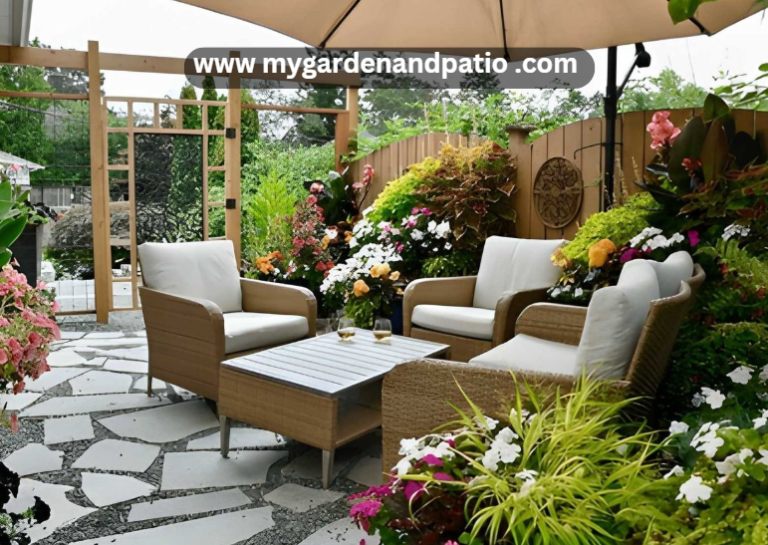
Many beginners create a backyard garden that mixes vegetables with a few flowers for color and to attract helpful insects. The combination makes the area more enjoyable to spend time in.
Kitchen gardening places herbs and greens close to the house so you grab them while cooking. A few pots near the back door turn routine meals into something fresher.
A vegetable garden focused on staples like beans tomatoes and peppers gives steady harvests that stretch grocery budgets. You can opt not to use chemicals and control what goes into the soil.
Organic gardening builds rich soil over time by adding compost and letting natural processes work. The results taste better and support more life in your yard from earthworms to birds.
Indoor gardening suits apartments or homes with limited outdoor space. Grow lights and proper pots let you raise herbs and leafy greens even in winter months.
Outdoor gardening connects you directly to the changing seasons and fresh air. You feel the soil and watch weather patterns affect growth in ways books cannot fully explain.
The right garden design makes every task easier and turns maintenance into a pleasant routine rather than a burden. Simple paths and grouped plants save steps and reduce frustration.
Tools that do the task at no additional expense
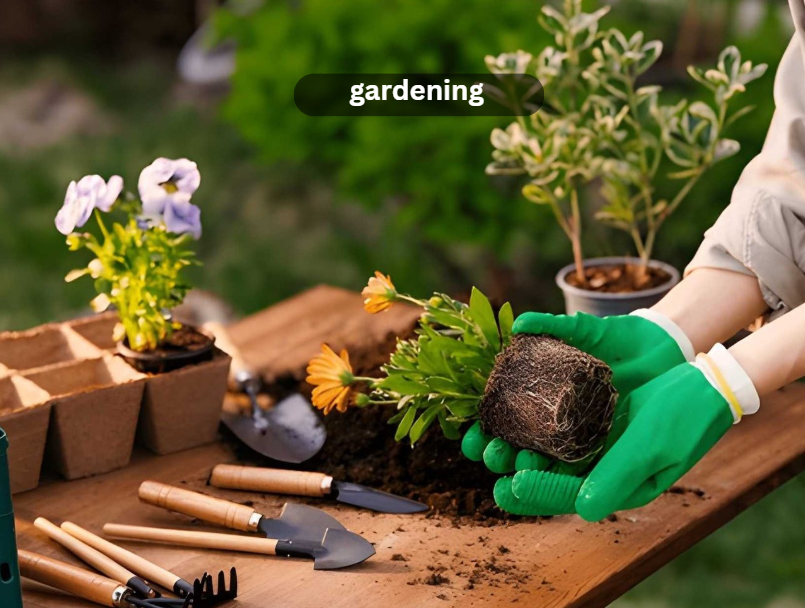
You begin with a few necessities. A shovel or spade turns soil when you prepare the bed. A trowel sets young plants without tearing roots. Pruners cut stems clean so plants heal fast. Gloves keep dirt and blisters off your hands. A rake smooths the surface. Soft-nozzled watering cans and hoses don’t blast away soil. Pick sturdy tools from a local hardware store so they last more than one season. Skip electric gadgets until you know you will use them. Your county extension office sells cheap soil test kits that show pH and missing nutrients for your exact ground. These pieces cover daily work and keep the start simple.
www mygardenandpatio .com explains which tools deliver the most value for new growers and how to maintain them simply.
Fixing the soil before you plant anything
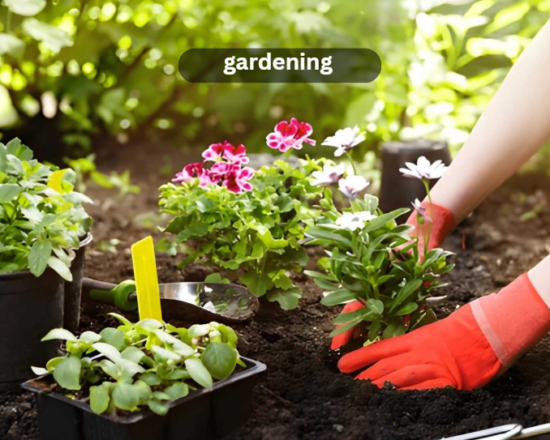
Soil feeds the whole garden so test it first. Take small samples from several spots in your planned area and send them to your local extension lab. The pH and concentrations of important nutrients, such as potassium and phosphorus, are reported. Most vegetables grow well when pH sits between six and seven. Add lime if too acid or sulfur if too alkaline. Spread two to four inches of compost or aged manure then mix it into the top six to eight inches. This helps clay soils drain and sandy soils hold water. Many skip heavy tilling now because it breaks up underground networks of fungi and worms. Raised beds work when native dirt stays poor. Pour a mixture of compost and topsoil into them. Use potting mix in containers so it does not pack down hard. Loose soil that drains yet holds moisture gives roots room to grow strong.
www mygardenandpatio com shows how small additions of organic matter each season create soil that performs better year after year without constant fixes.
mygardenandpatio robert points out that healthy soil reduces pest problems naturally because vigorous plants resist stress better.
Picking crops your family will actually eat
Grow vegetables you like so the harvest gets used. Beginners often start with fast ones like radishes lettuce and bush beans because they come ready in weeks and forgive small slips in care. Check your hardiness zone so plants survive your winter lows. Heirloom tomatoes or peppers usually carry stronger flavor than standard kinds and let you save seeds for next year. In tight spaces pick bush types that stay compact in pots. Set basil near tomatoes because the herb can improve taste and push some insects away. Stick to five or six crops the first year. You learn how much water and space each one needs without feeling swamped.
mygardenandpatio com recommends beginning with forgiving crops and expanding slowly as confidence grows.
Drawing a basic plan on paper
Sketch your space and mark where sun hits longest plus any wind or shade. Place tall crops like pole beans on the north side so they do not block shorter plants. Leave paths at least two feet wide so you walk and kneel easy. Put crops that need the same water together. Succession planting means sowing a short row of lettuce every ten days instead of everything at once. You pick steadily instead of too much at one time. Move crop families to new spots each year to cut soil diseases and balance nutrients. Write notes about dates varieties and what did well or struggled. Those notes guide you better next spring.
gardening for beginners works best when you treat the first season as practice rather than perfection. You learn your microclimate the way sun moves across your yard and how rain affects different spots.
Many new growers set up a productive garden that supplies meals from early summer into fall with proper planning. The satisfaction of picking your own dinner outweighs the small daily efforts once habits form.
Starting with seeds or young plants from a nursery
Seeds cost little and give more kinds to try. Start them indoors in seed mix trays four to eight weeks prior to your final frost. Keep soil damp and give bright light from a window or cheap grow lights. Move seedlings outside for longer each day to toughen them before setting in the ground. Young plants from a local garden center give faster results because roots and size already exist. Pick ones with strong green leaves and no bugs or spots. Local centers carry types grown for your area so they settle quicker. Seeds save money. Transplants save time when your days stay full.
Setting plants in the ground at the proper moment
Soil temperature matters more than calendar dates. Cool season crops like peas and spinach go in as soon as you can dig the ground in spring. Tomatoes peppers and cucumbers wait until nights stay above fifty degrees. For roots, dig large holes, but place plants at the same depth as before. To help roots settle, gently press soil around the base and water deeply. Spread mulch around each one to hold moisture and slow weeds. Follow spacing on packets so air moves and disease stays lower. Right timing and depth give plants their best chance.
Watering mulching and light feeding
Vegetables need roughly one inch of water a week including rain. To ensure that the leaves dry before nightfall, water the base early in the morning. Deep soakings once or twice a week push roots deeper. Mulch two to three inches thick with straw or shredded leaves keeps soil cooler and cuts evaporation. Feed lightly with compost tea when growth peaks in summer. Extra nitrogen makes lots of leaves but fewer fruits. Push a finger two inches into soil. If dry then water. These steps turn routine after a few weeks.
Watching for pests and catching them early
Walk the garden every day or two. Look under leaves for small insects or chewed spots. Pick bigger bugs off and drop them in soapy water. A hose spray knocks aphids down. Grow marigolds or dill nearby to bring ladybugs that eat pests. Cover young plants with fabric if flea beetles show early. Pull yellow or spotted leaves fast and wipe tools between beds. Plants in good soil fight trouble better than weak ones. Quick action stops small issues from spreading.
Adjusting care as seasons turn
Spring means soil work and setting cool crops. Summer calls for water checks pest watches and picking often to keep production going. Fall brings last harvests and cleanup by adding old plants to compost. To protect soil throughout the winter, cover vacant plots with mulch or a cover crop. Many places let you sow greens again when summer heat drops. Notes on frost rain and performance help you fine tune timing so the garden gets easier each year.
Mistakes almost every new gardener makes
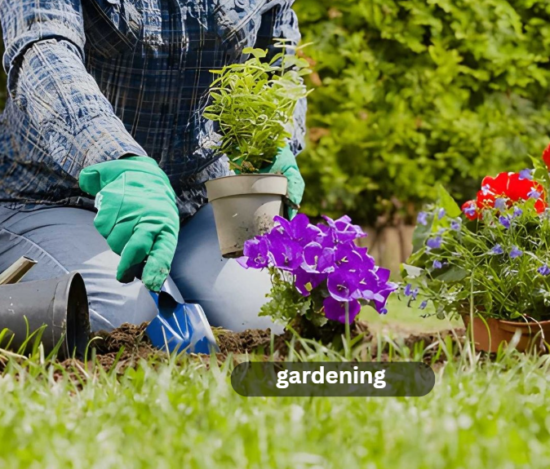
Planting too much the first year leads to weeds and watering overload. Keep the first bed small and add more later. Poor soil causes weak plants even with daily water. Test and add compost before you start. Overwatering rots roots while too little stunts growth. Mulch helps both problems. Setting tender crops out before frost kills them. Skipping rotation brings back the same bugs year after year. These happen to most people at first. Fix them quick and you still gather real food plus skills you keep.
Your garden teaches watching and patience more than perfect steps. Seeds break through dirt and become plates of food you share. You notice how sun and rain hit different parts of your yard. That direct feel brings quiet reward. Keep actions basic. Stay steady with water weeding and looking. Your space turns into fresh produce and personal pride this season. The work gives shared meals and knowledge you carry forward.