Practical Garden and Patio Design for Modern Homes
Most people do not need fancy gardens or patios. They need spaces that actually get used. A place to sit in the morning, eat outside without hassle, or relax after work. A good garden and patio design focuses on how people live, not how it looks in photos. Outdoor areas should feel natural. Paths should make sense. Seating should be comfortable. Shade matters more than decorations. The right plants can make life easier instead of adding chores. The patio covers practical ideas for real homes in the United States. You will find guidance on layouts, materials, plants, lighting, small spaces, privacy, and ways to make outdoor areas useful every day. It also includes examples from designers like robert mygardenandpatio to show how simple planning creates a space people actually use.
Plan Around How You Live
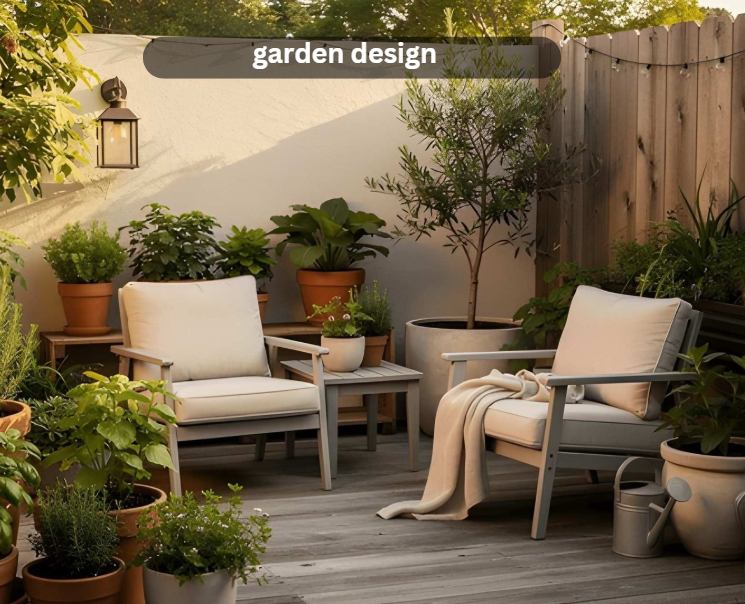
The best garden and patio design starts with how the space will be used. Think about routines. Where you drink coffee, eat, or watch kids play. Paths should lead naturally to those spots. Seating should be in places people want to sit. Shade should fall where people stay the longest. Projects from mygardenandpatio show this principle clearly. The spaces are small or modest but work because the layout respects movement. When planning first, everything else becomes easier. Furniture, lighting, and plants follow the use, not the other way around.
Comfortable Seating Matters
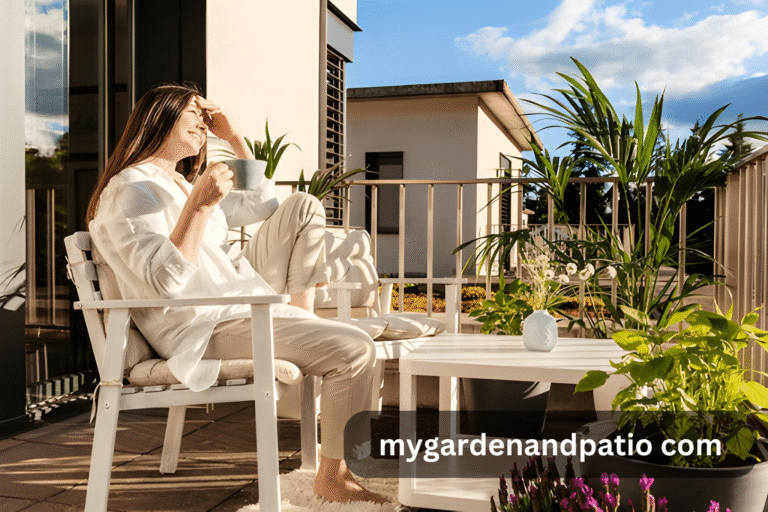
Seats are not just furniture. They decide if people will use the space. Hard benches or decorative chairs often go unused. Outdoor cushions, weather-resistant chairs, and movable seating make areas flexible and inviting. Many homeowners look to kdarchitects landscape ideas by roger morph for tips on seating layouts. Simple arrangements can make even small patios feel welcoming. Position seats where people naturally gather. Don’t overcrowd the space.
Shade and Weather Control
Without shade, patios can feel useless in summer. Umbrellas, pergolas, or retractable covers help. Trees work well but take time to grow. Shade should be considered when designing, not added later. You can enjoy your outside space throughout the cooler months by installing partial walls and windscreens. Well-designed patios and gardens account for the weather to make the area usable all year round. Even a modest setup can last longer if shade is incorporated early. Designers like kdarchistyle architecture styles by kdarchitects often show how shade structures can feel built-in rather than an afterthought.
Simple Plant Choices
Plants should make life easier. Species that are native or drought-tolerant require little maintenance to survive. Too many types create extra work. Repeat a few plants for cohesion. Raised planters can define zones without crowding paths. Examples on www mygardenandpatio .com show how simple greenery adds comfort without clutter. Plants frame seating areas, give privacy, and reduce maintenance. A few smart choices go further than lots of decorative plantings.
Lighting for Practical Use
Lighting decides if the patio can be used after dark. Soft lighting works better than bright overhead lamps. Path lights keep areas safe. Wall-mounted lights add warmth. Solar lights are good for sunny areas, while wired lighting ensures consistency. Practical designs on www mygardenandpatio com demonstrate how subtle lighting can transform space. It allows use without creating glare or distraction. The goal is utility and atmosphere, not decoration.
Small Spaces Can Work Well
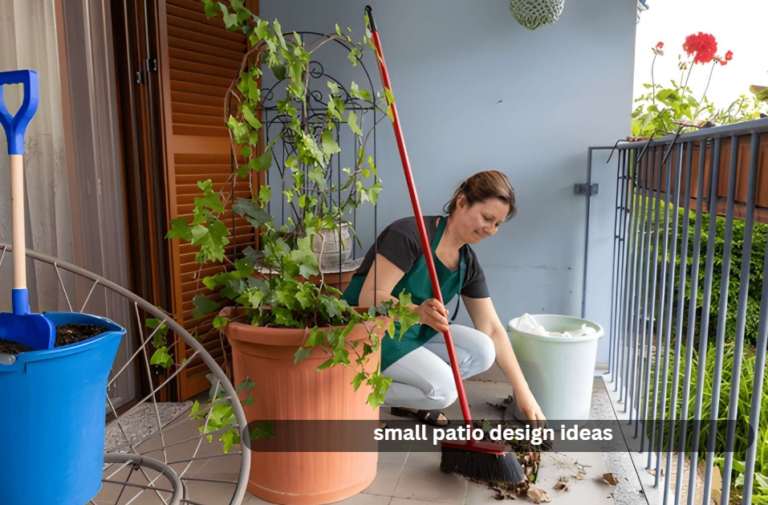
Small yards need focus. Every item must earn its place. Foldable furniture, slim chairs, and vertical planters make the area feel larger. Clear paths are essential. Too much furniture or decor shrinks the space. The team at mygardenandpatio robert often shows compact patios that still feel functional. The secret is editing. Remove anything that does not help movement or comfort.
Privacy Without Closing the Space
Privacy improves comfort. Full fences block views but can feel heavy. Partial screens, slatted panels, or layered plants create separation while keeping openness. Good garden and patio design balances privacy with air and light. The right layering makes a yard feel calm without feeling closed in. Many homeowners follow examples from mygardenandpatio com to create spaces that feel personal yet open.
Materials That Last
Materials should age gracefully. Stone softens over time. Treated wood changes color naturally. Concrete holds up without constant care. Avoid finishes that need constant sealing or repainting. Durable materials make maintenance easy and extend the life of the space. Designs seen in robert mygardenandpatio projects show that long-lasting materials allow homeowners to enjoy patios without worry.
Bringing Everything Together
The best garden and patio design does not show off. It fits daily life. Morning coffee, weekend meals, quiet evenings, or kids playing. It supports routines without demanding attention. When planning seating, shade, plants, lighting, and materials with purpose, the space feels like part of the home. A practical setup keeps people outdoors without effort. For contemporary dwellings, that is the true test of success.