Step-by-Step Patio Planning with Robert MyGardenAndPatio
Planning is important if you want an outdoor area that is pleasant, functional, and feels natural. Step-by-step patio planning gives you a roadmap from an empty backyard to a place you use every day. In the United States, yards now matter more than ever. People treat them like extra rooms where they eat, relax, or entertain. That shift in thinking is part of why robert mygardenandpatio has become a trusted voice for homeowners. His approach focuses on practical options that suit your life, your land, and your climate. This article helps you think about patio planning as a thoughtful process. You will learn how to assess your space, imagine zones for different uses, pick materials that last, and choose plants that thrive. You will also see how lighting and furniture bring your vision to life without chaos. Along the way, you will find ways to make decisions that save money and avoid common mistakes that leave patios unused. By following these steps, you will plan a patio that feels purposeful and welcoming from the first time you step outside. The patterns and tips in this guide draw on practical outdoor design principles as well as ideas from longtime homeowners and designers. If you want a space that works year after year and makes sense for your environment, this kind of planning will help you see possibilities clearly before you start building.
Beginning with Your Needs and Space

mygardenandpatio Having a thorough awareness of your existing area is the first step in planning. Examine how the sun moves, where shade falls, and how rainwater drains. A well-positioned patio takes advantage of natural light without baking in the midday sun. Consider how you utilize the area on a daily basis. For instance, a dining room needs to be near the home so that food may be brought out with ease. Seating for lounging can be slightly more private so it feels like a retreat. This early thinking helps you organize zones without crowding your layout. Also consider what you want from your space. Do you picture morning coffee with a view of green plants? Or do you see evenings by a fire pit with friends? Each of these ideas points you toward different planning choices later in the process. As you evaluate your space, take simple measurements. You do not need precise engineering. Rough estimates help you plan how much ground you have and which parts can support different zones.
Designing for Flow and Use
When you plan a patio, flow matters more than decoration. A poorly planned patio feels cramped or awkward no matter how pretty the materials are. Best practice is to leave clear walking lines at least three feet wide where people might carry food or step around furniture. That kind of open movement makes the space feel larger and more inviting. Consider your patio as a collection of interconnected spaces. Group seating together, keep the grill near the prep area if you cook outdoors often, and leave walkways open. You do not want to wedge furniture into corners where movement becomes awkward. This kind of thinking comes from understanding how people actually use outdoor areas rather than how a picture looks in a design book.
Choosing Base Materials That Last
Once your layout feels right, skin the foundations with durable materials. Concrete, natural stone, or permeable pavers are common choices because they stand up to seasonal weather in the United States and require little maintenance. Permeable materials help water soak into the ground and reduce puddles after rain. Compacted stone and gravel are less expensive alternatives that offer a sturdy surface. A small slope helps water drain away from the home rather than collecting around entrances in wetter areas. Consider how each material feels underfoot, how easy it is to clean, and how it looks with the rest of your outdoor aesthetic. Material choice is both practical and visual. Your patio surface becomes the stage for everything else you add later.
Plant Choices That Fit Your Environment
Next, think about plants that fit your local climate. Native species typically need less water and fuss because they evolved for your conditions. In hotter or drier areas, choose drought-tolerant plants that bring color without extra irrigation. In cooler areas, pick species that handle frost and seasonal shifts. Containers give you flexibility and make it easier to adjust plant placement as your design grows. If you want privacy, taller plants or climbing vines on trellises provide screening without heavy structures. Group plants with similar water and sun needs to make maintenance easier. A mix of perennial structure plants and seasonal flowers keeps the space alive through the year.
Features and Furniture That Are Effective
Patio furniture needs to strike a balance between durability and comfort. Materials like teak, metal, or weatherproof resin weave hold up through sun and rain without constant upkeep. A solid dining table can anchor your outdoor meals, while smaller chairs or benches can be moved around for flexible use. Think about cushion storage during wet seasons to extend life and keep fabric looking neat. If outdoor cooking is important to you, plan a grill area that flows into dining without blocking movement. Use can be extended into the cooler months with patio heaters or fire pits. These features make the patio more useful across seasons.
Lighting and Ambience That Extends Use
Light transforms a patio in the evening. Soft path lighting, low-glow fixtures around seating, and gentle uplights on plants make the space feel safe without glare. Warm bulbs help faces look comfortable and natural rather than harsh or clinical. Good lighting spreads visibility and makes the outdoor area inviting after sunset without stealing attention from the stars above.
Avoiding Common Planning Mistakes
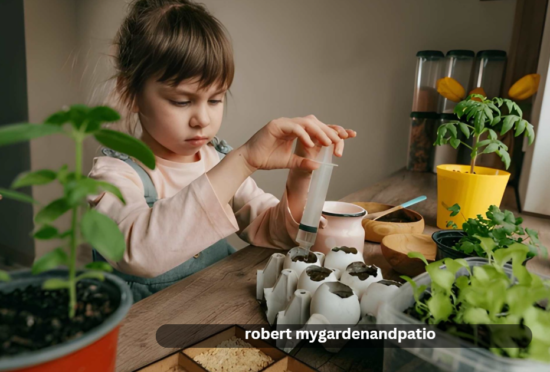
One common planning mistake is trying to fill the space all at once. Too many items crowd the design and leave no room for natural movement. A staged approach helps you plan the core structure first, then add plants, furniture, and finishing touches as you live with the space. This lowers costs and gives perspective on what you truly use. Another mistake is ignoring drainage and soil. Good drainage prevents water damage and makes plants healthier long-term.
Bringing It Together Gradually
Plan phased steps through time. Year one is site work, major structure, and base materials. Year two adds furniture and planting. Year three is refinement with decor and lighting. This phased strategy spreads costs and helps you learn how you use the space before committing to every choice. Such an approach echoes principles you see on sites like www mygardenandpatio .com where outdoor planning is presented in clear stages that match real living.
Real Workouts and Examples
Every patio project varies, but a common success path starts with clearing the ground, fixing drainage, and setting the main patio surface. Then add a border of raised planters to bring green life into the hardscape. Finally, place furniture to face your best view. This sequence makes the patio usable from day one and attractive over time and is a pattern many homeowners find works well.
Personalizing Your Space for Daily Use
www mygardenandpatio com planning is not about trends; it is about how you use the space daily. If you sip morning coffee outside or spend cool evenings with friends, design choices should support those habits. This people-first mindset is part of what defines mygardenandpatio robert advice and makes patios feel personal rather than artificial. Think of each step as shaping a space you will return to again and again.
Step-by-Step Planning Makes the Difference
Stepping back and thinking through the whole process prevents mistakes, reduces waste, and leads to a patio that feels right for your home and climate. Whether you live in a busy city backyard or a wide-open suburban lot, good planning helps you use space fully and comfortably. This thoughtful approach is part of the legacy of kdarchitects landscape ideas by roger morph that emphasize flow and human use over surface trends. Outdoor living today is about practicality and calm beauty. Design that supports heat, rain, and seasonal change stays useful year after year. Planning helps you think through these details before you build, saving time and avoiding frustration. When planning a patio that lasts and feels good to use, the aim is simple: match real life needs rather than chasing flashy design. In this way your patio becomes a place you go naturally, where memories form without effort, and where everyday use makes the space feel like part of home. That is what makes kdarchistyle architecture styles by kdarchitects relevant even outdoors by borrowing indoor design logic for outdoor flow. In the end, thoughtful patio planning leads to spaces that fit families, weather, and seasons. That is the essence of good outdoor design and why so many homeowners trust guides like mygardenandpatio com to make smart decisions.