Robert MyGardenAndPatio Privacy Plants Ideas and Tips
Privacy matters more than ever in American outdoor spaces. Homes sit closer together. Backyards face neighbors. Patios are often open to view. This is where smart planting choices make a real difference. Robert MyGardenAndPatio privacy plant ideas and tips focus on creating quiet, comfortable outdoor areas without building walls or fences. Plants soften the space. They look natural. They grow over time and improve the yard instead of closing it off. The robert mygardenandpatio privacy plants are practical. It covers plant selection, placement, growth habits, and seasonal planning. The focus stays on plants that work well in US climates and fit real homes. Nothing here relies on trends or decoration talk. The goal is privacy that lasts and feels right for daily living. By the end, you will understand how to build green privacy that works year after year and still looks like a garden, not a barrier.
Why privacy plants work better than hard screens
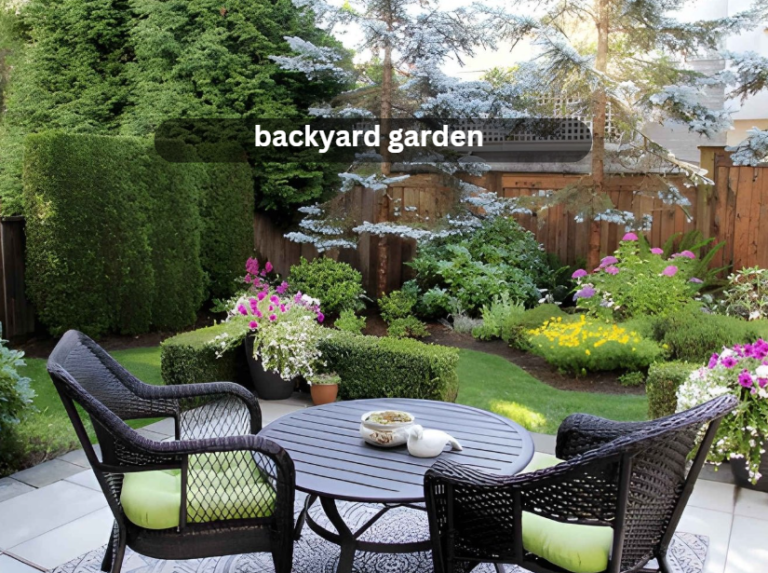
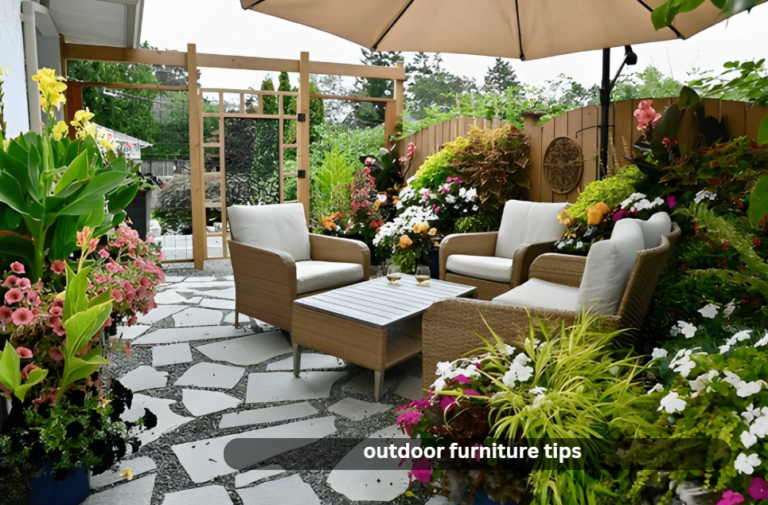
Many homeowners turn to fences when privacy becomes an issue. Fences solve one problem but create others. They block airflow. They age fast. They add a hard edge to a soft space. Privacy plants grow with the yard. They adjust over time and blend into the landscape. When using robert mygardenandpatio privacy plants, the biggest advantage is flexibility. Plants can be trimmed, layered, or allowed to grow tall depending on the space. They reduce noise, filter dust, and create shade. This approach fits well with modern backyard use, where people want comfort without feeling boxed in. A living screen feels calmer and more natural than a solid wall.
Choosing the right plants for US climates
Plant choice should always start with climate. The United States spans many growing zones. What works in Florida will not survive in Minnesota. Privacy planting fails when climate is ignored. Evergreens are often the first choice because they keep coverage all year. Arborvitae, boxwood, and holly perform well in many regions. In warmer zones, bamboo clumps and podocarpus offer dense growth without spreading if chosen correctly. Deciduous plants also play a role when layered with evergreens. They add thickness during the growing season and let light through in winter. The robert mygardenandpatio approach focuses on plants that grow steadily rather than fast. Fast growth often means weak structure. Strong plants age better and need less repair over time.
Placement matters more than plant height
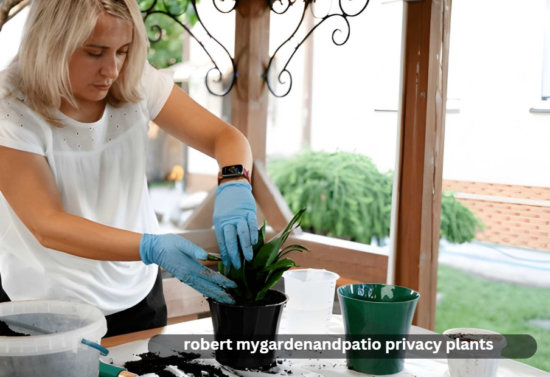
A common mistake is choosing the tallest plant possible. Height alone does not create privacy. Placement does. A shorter plant placed closer to the seating area often blocks more sightlines than a tall plant planted far away. Robert mygardenandpatio privacy plants work best when planted in staggered rows. This breaks straight lines and fills gaps naturally. Corners and diagonal views need special attention. These are the angles neighbors see first. Thoughtful placement creates privacy without filling the entire yard. This method is often used in professional garden planning and aligns well with mygardenandpatio design thinking, where function leads the layout.
Balancing privacy with light and airflow
Complete privacy can feel heavy if done wrong. Plants that block all light create dark patios and damp soil. Good planning allows light to filter through while still blocking direct views. Plants with fine leaves or layered branches work well here. They blur the view instead of stopping it completely. This balance is common in projects inspired by kdarchitects landscape ideas by roger morph where outdoor spaces feel open but protected. The goal is comfort, not isolation.
Privacy planting for small yards and patios
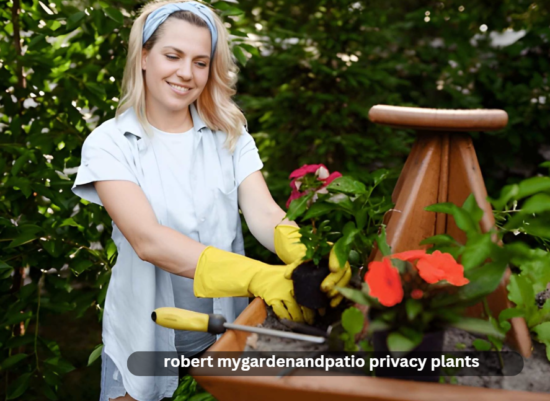
Small yards need careful choices. Large hedges can overwhelm the space. In tighter areas, vertical growth matters more than width. Narrow evergreens and upright shrubs create privacy without stealing usable space. Containers can help guide growth and control size. Raised planting also lifts coverage higher where it is needed most. Mygardenandpatio Robert Planning often uses this approach to adapt privacy solutions to townhomes and compact lots. Even a few well-placed plants can block key sightlines and make a patio feel private without closing it in.
Seasonal care and long-term success
Privacy plants are not set and forget. They need care, especially in the first two years. Watering during establishment is critical. Pruning should guide shape, not force it. Overpruning causes gaps. Under-pruning leads to weak lower growth. A steady approach keeps plants full from top to bottom. This long-term thinking separates successful privacy planting from rushed results. Many homeowners overlook soil quality. Healthy soil supports dense growth. This detail is often emphasized on www mygardenandpatio .com where long-term plant health is treated as part of privacy planning.
Mixing structure with planting
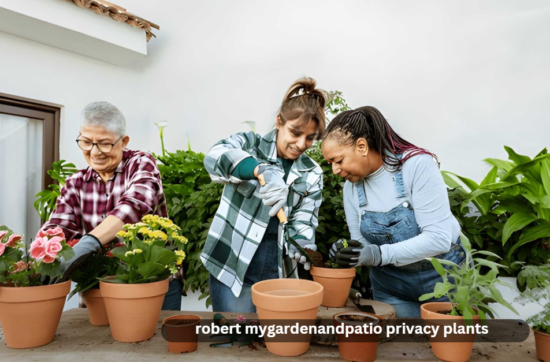
Plants work best when supported by subtle structure. Trellises, pergolas, and low walls give plants a framework to grow into. This creates faster coverage and stronger shapes. This idea connects well with kdarchistyle architecture styles by kdarchitects where plants and structures are planned together rather than separately. The result feels intentional and stable. Using structure does not reduce the natural feel. It helps plants do their job better and last longer.
Avoiding common privacy planting mistakes
One common mistake is planting too close. Plants need space to fill out. Crowding leads to disease and weak growth. Another issue is choosing plants based on appearance only. Growth habit matters more than looks. Privacy fails when plants are chosen without understanding how they grow. Mygardenandpatio com often highlights this issue when reviewing failed backyard designs. Good privacy comes from planning, not shortcuts.
Building a yard that feels calm and private
Privacy planting is about comfort. It supports outdoor living, not decoration. When done right, the yard feels calmer. Conversations feel easier. Time outside feels more relaxed. Robert mygardenandpatio privacy plants bring together plant knowledge, placement strategy, and long-term thinking. This approach works across regions and yard sizes. It respects how people actually use their outdoor spaces. The best privacy doesn’t stand out. It simply works. That is the goal behind thoughtful planting and smart garden planning shared across mygardenandpatio.robert projects and ideas on www mygardenandpatio com.