How to Plan a Robert MyGardenAndPatio Landscaping Design
A well-planned landscape turns a yard into a usable outdoor room. The patio shows a clear step-by-step method for planning Robert Mygardenandpatio landscaping that works across U.S. climates. You will learn how to assess the site choose durable materials Map out zones, pick plants that thrive, and build a watering plan you can keep. The guide pulls practical ideas from real projects and from MyGardenAndPatio so you can copy what works and avoid common mistakes. By the end you will have a simple sequence to follow and specific choices that fit your time and budget.
Start with the site and goals
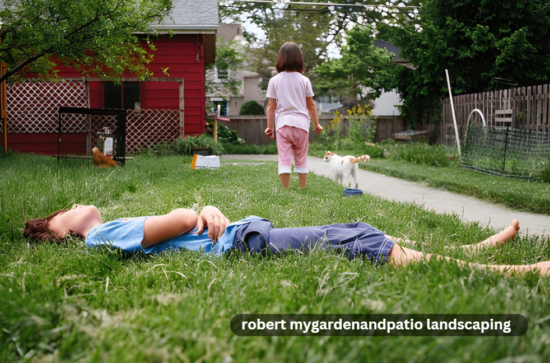
First measure the yard and record sun patterns for several days. Note slopes, drains, and entrance points. Those facts shape where paths, seating, and planting belong. Set clear goals for how you will use the space. If you want low maintenance, write that down. If you want a family play area, mark that too. A concise goal list keeps design choices focused and saves money during the build. Examples from MyGardenAndPatio show small yards becoming much more useful when the owner chose one main use and designed around it.
Design a simple plan that fits the home
Sketch a plan with zones for seating, dining, planting, and storage. Keep paths short and direct. Place the most used zone near the house for easy access. Use a single focal point, such as a specimen tree, a large planter, or a simple water feature, to anchor the view. Instead of adding extra furniture, the focal point in many tiny projects made the area feel bigger and more purposeful. Case studies on the site show that small shifts in placement create big improvements in how people move through a yard.
Choose materials for climate and care
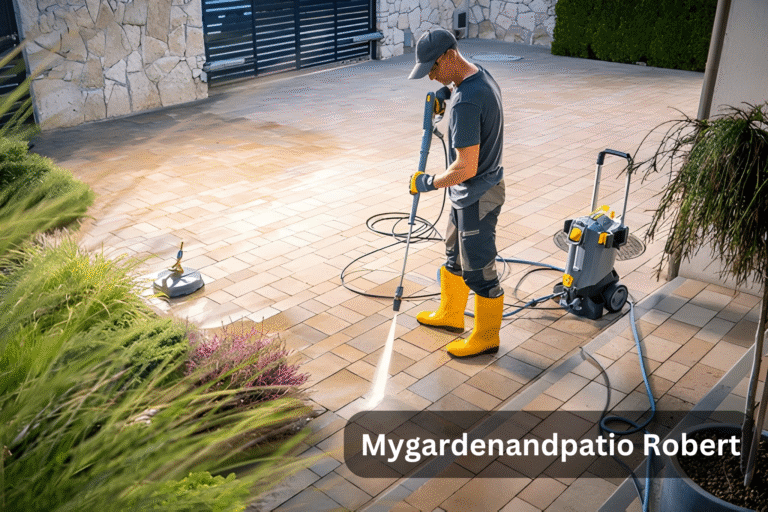
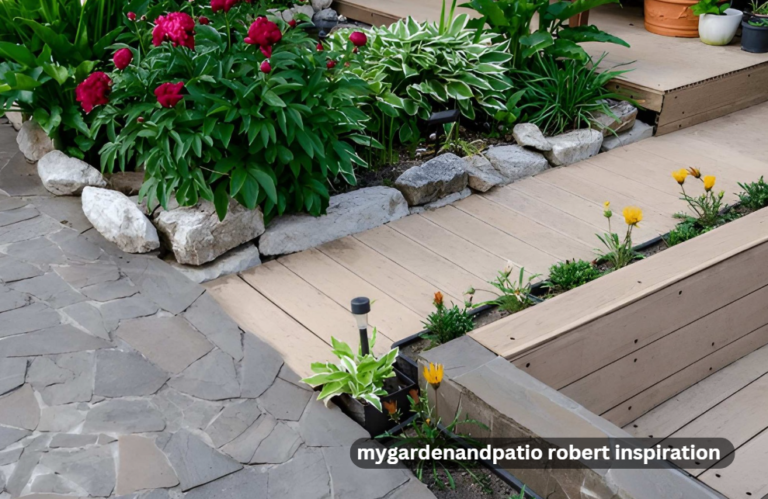
Pick paving and edging that match your maintenance style and local weather. Permeable pavers reduce runoff in rainy regions. Concrete or flagstone works well in colder areas where freeze cycles happen. Composite decking suits shaded spaces where rot could be an issue. Choose materials that feel comfortable underfoot and that do not require frequent repair. One PDF guide associated with MyGardenAndPatio highlights projects that used low-maintenance materials to reduce long-term costs and to keep seasonal work minimal.
Plan plants according to water requirements and sun exposure.
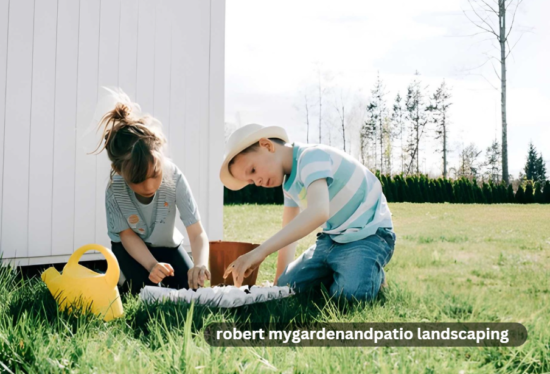
Sort plants according to their need for sunlight and water. Put thirsty plants in one bed and drought-tolerant plants in another to make irrigation efficient. Use native selections when possible to cut maintenance and to support local wildlife. Add evergreens for winter structure and perennials for seasonal color. Small, low raised beds help control soil and cut bending, which makes care easier for older homeowners. A real-world example showed healthier beds and less erosion after switching to raised planting in a suburban yard.
Arrange furniture and define zones
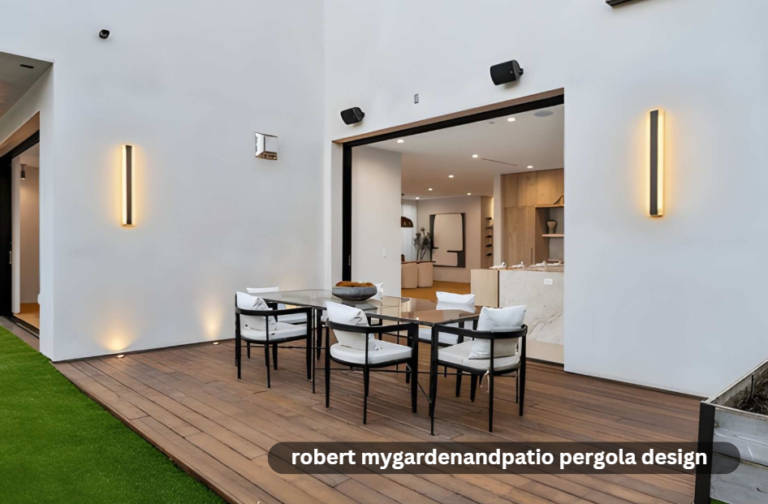
Start with the largest item, such as a dining table or sofa, and plan circulation around it. Use rugs, planters, and a change in paving to mark zones without building new walls. Tall planters can screen the view from a busy street while giving a vertical planting surface. Lighting completes zones by extending useful hours. Low path lights and a focused overhead fixture in a dining area cover most needs without high energy use. Practical choices keep the layout useful and comfortable all season.
Build a simple water plan
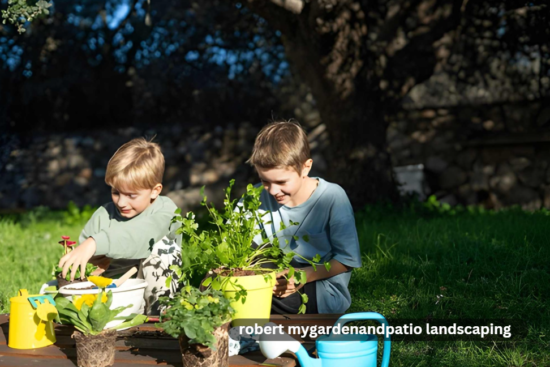
Install a drip system for planting beds and a timed valve for the lawn or larger beds. Drip systems cut water use by delivering moisture directly to roots. Mulch all beds to reduce evaporation and to keep soil stable. Grouping plants by their water needs makes the irrigation zone design straightforward. Many small property owners cut water use by half after reorganizing plant groups and adding targeted drip irrigation.
Add low-maintenance finishing touches
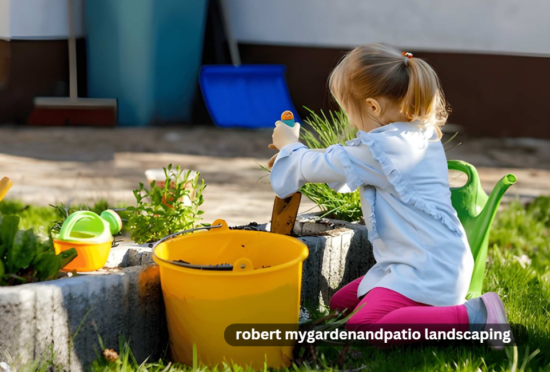
Choose furniture that tolerates weather and that you will actually use. Store cushions in a weatherproof chest to protect them between seasons. Add a handful of potted herbs near the kitchen door for utility and scent. Avoid many small decor items that increase work. A single sculptural piece or a trimmed hedge provides a clean focal point without ongoing fuss.
Where to find ideas and products
Search sites that show completed projects and product lists. Look at MyGardenAndPatio for practical layouts and tested product picks. For professional influence, review kdarchitects landscape ideas by roger morph and then scale the ideas down to fit your budget. If you want quick product lookups, try typing www mygardenandpatio .com into a browser or search for mygardenandpatio com to see examples and tools that match the methods described here.
Final steps and timeline
Phase the work so you do not overwhelm your budget or time. Start with measurement and hardscape, then add plants and irrigation, and finally lighting and furniture. Test the irrigation system for one season and adjust plant positions where needed. Keep your original goals in front of you during each phase so the finished yard matches how you will actually use it.
Closing note
This planning approach centers on simple tradeoffs that make a landscape easier to live with. Use “Robert Mygardenandpatio Landscaping” as the search term when you compare layouts and product lists. The repeated focus on practical steps keeps design clear without excess detail. If you want a fresh look at style, approach the professional layouts by kdarchistyle architecture styles by kdarchitects and then adapt a single idea to your scale. A clear plan saves money and gives a reliable result that lasts. Robert Mygardenandpatio Landscaping appears throughout this guide to keep the phrasing consistent for search and for quick reference. Robert Mygardenandpatio appears here to name the author source, while Mygardenandpatio appears once as the site brand. mygardenandpatio com appears once as a search hint for product lookup. mygardenandpatio robert appears once to point to author-specific notes.