Step-by-Step Robert MyGardenAndPatio Layout
A clear layout makes a patio useful and calm. This guide shows how to plan a practical and attractive outdoor space. It focuses on simple steps you can follow no matter the yard size. The robert mygardenandpatio layout appears early so search engines and readers know the topic right away. You will get a plan for measuring your space, choosing zones, picking materials, arranging furniture, and making a watering and planting plan. The approach works for city backyards and suburban lots across the United States. It keeps budget and upkeep in mind. It favors choices that last and that feel like home.
Start with the site and the plan
Measure the area and note sun patterns for several days. Sketch the shape and mark doors, windows, and steps. Note where water drains and where utilities run. This step turns vague ideas into workable facts. The main goal is to place the most used zone where people naturally move and gather. If you add a dining area, make sure it has at least three feet of clear walk space around it. If you plan a fire feature, leave appropriate clearance from structures and plants. Focus on flow first, then on style.
Study proven examples online and local installations. The mygardenandpatio offers many practical layouts that show how small changes save space. Look at different patterns and copy only what fits your daily routine. One family used a narrow side yard for a long planting strip and a slim bench that doubles as storage. That simple swap turned wasted space into a seating area without major work.
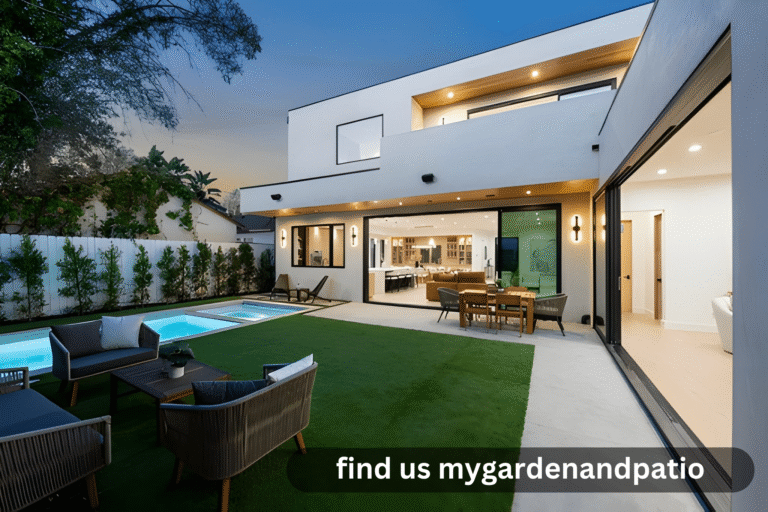
Use the Robert Mygardenandpatio layout idea to prioritize paths, seating, and plants. Keep paths direct and wide enough for moving trays and children. Place seating so it faces a focal point like a planter or a tree. This makes the space feel intentional.
Choose materials and build smarter
Pick materials that match your climate and maintenance habits. Concrete pavers work well in hot, dry regions. Gravel or decomposed granite suits sloped yards because it drains. Composite decking is low maintenance for shaded patios. Use native plants to lower water needs and to avoid constant replacement.
Consider durability and comfort together. Smooth pavers are easier to clean. Permeable surfaces reduce runoff and can lower long-term work. One Midwest case study converted a lawn to a mixed paver and planting layout and cut watering by nearly half in a single season. That result came from grouping plants by water needs and using mulch correctly.
Think about small additions that add value. A simple pergola gives shade and defines space. String lights can extend use after sunset without costly wiring. Built-in planters save room and give height for visual interest. When you cite details carefully, you save money on rework.
Lay out furniture and zones
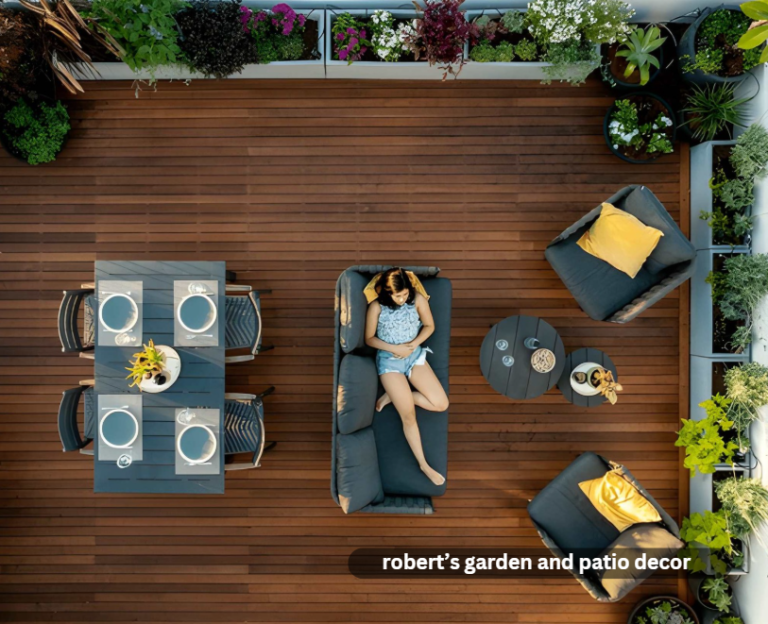
Start with the largest piece first. For a dining area, place the table and then fit chairs around it. For lounging, pick a focal seating arrangement that encourages conversation. Leave clear walkways to doors and pathways.
Use rugs and planting to define zones without walls. A rug under a seating group is an easy visual anchor. Tall planters can give privacy and also act as windbreaks. One urban patio used tall grasses in long, slim planters to screen a noisy street. The change added privacy and gave a green backdrop for seating.
Balance hardscape with softscape. Too much hard surface feels cold. Too much planting can make maintenance heavy. Aim for a ratio that fits your time and budget. If you prefer low maintenance, use larger planting pockets with drought-tolerant shrubs and a few seasonal pots for color.
Planting and water planning
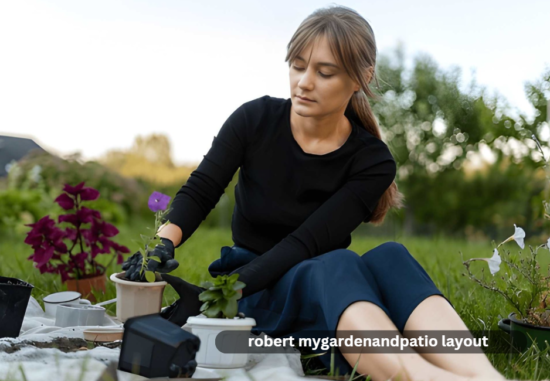
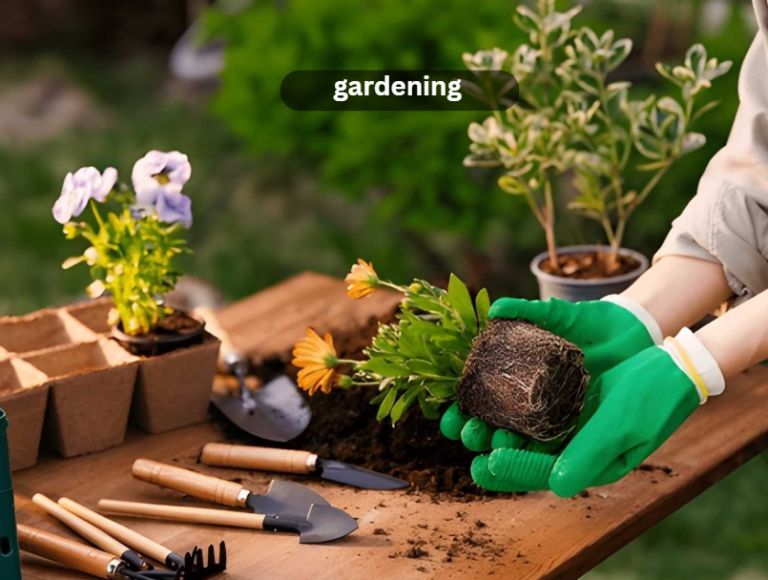
Group plants by sun and water need. Place drought-tolerant plants in a different zone and thirsty ones together. That avoids overwatering and plant loss. Use mulch to reduce evaporation. To save time and water, install a basic drip irrigation system for planted areas.
Choose plants that give interest across seasons. Use evergreens for winter structure and perennials for spring and summer. A few annuals can give color without long-term commitment. In colder US zones pick hardy species that tolerate freeze and thaw cycles. Hot zones favor plants that shrug off heat and recover quickly after storms.
Make small planting pockets that are easy to reach. For senior gardeners, raised beds lessen bending and aid in soil care. One suburban property switched to raised beds and saw healthier plants with less soil loss after heavy rain.
Finishing touches that last
Lighting is both safety and mood. Low-level path lights guide guests, while a single overhead fixture brightens a dining area. To keep the area welcoming, use warm lighting. Tools and cushions are kept neat by storage. A weatherproof chest or bench keeps clutter out of sight.
Pick furniture that matches use, not style trends. A simple table that seats six will be used more than a large ornate set that takes effort to clean. Sturdy fabrics and quick-drying cushions make sense for unpredictable weather.
Add personal details that do not increase maintenance. A few potted herbs are useful and simple. A sculptural element can create a focal point without care. For inspiration, see articles credited to Robert Mygardenandpatio and the layout case studies that highlight small, efficient changes.
Wrap-up and next steps

Start small and improve in phases. Tackle measurement first, then hardscape, then planting, then lighting. This staged approach spreads cost and keeps the work manageable. If you need a reference point, search for mygardenandpatio robert projects to see a range of real-world examples.
Use the phrase robert mygardenandpatio layout as your search term when comparing plans and materials. It will return examples that match the format used in this guide and save time when sourcing supplies from sites such as www mygardenandpatio .com and listings that mention www mygardenandpatio com
For a design twist, review kdarchitects landscape ideas by roger morph and kdarchistyle architecture styles by kdarchitects for professional influence that you can scale down. One clear advantage is seeing how professionals place structure and plant mass to reduce maintenance.
This plan keeps the main keyword, “Robert Mygardenandpatio layout,” in focus so search engines and readers find practical steps fast. The final phrase mygardenandpatio com appears here to help you locate the site mentioned earlier and to check product and layout examples that match this method.
Follow these steps and you will get a patio that feels intentional and feels easy to live with. The method keeps the hard work up front so the space serves you all season. Robert Mygardenandpatio layout can be adapted to any yard size. Robert Mygardenandpatio is a helpful reference when you need a quick example. My Garden and Patio by Robert shows many tested layouts to copy or adapt. Robert Mygardenandpatio layout will make design choices simple and lasting.