Simple Ways to Use the KDALandscapetion Landscape Guide by KDArchitects
Designing your outdoor space should feel inspiring rather than overwhelming. The kdalandscapetion landscape guide by kdarchitects gives homeowners in the United States an accessible framework for transforming an ordinary yard into a thoughtfully composed outdoor living space. Instead of facing blank decisions about plants, materials, and layouts, you’ll lean on proven design principles guided by the philosophy of the KDArchitects team. In this article we’ll walk through how to apply the guide step‑by‑step—from analyzing your site and sunlight to choosing planting palettes, hardscape materials, lighting, and decor. We’ll show you how the guide brings cohesion to your space, offer practical tips you can implement immediately on your own property (including your own mygardenandpatio), and point out unique insights that go beyond typical “backyard makeover” articles. Whether you’re starting fresh or refreshing an existing yard, the KDALandscapetion Landscape Guide by KDArchitects is your roadmap to creating an outdoor space that looks intentional, feels comfortable, and supports your lifestyle.
1. Understanding the KDALandscape Landscape Guide by KDArchitects
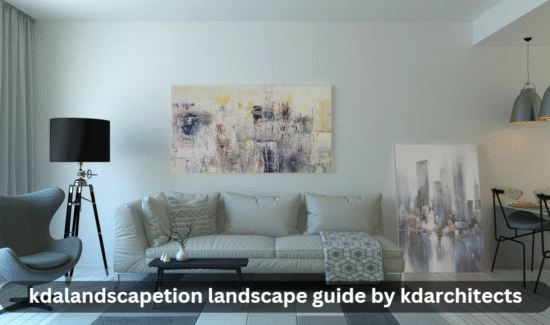
At its core the kdalandscapetion landscape guide by kdarchitects isn’t just a checklist—it’s a design philosophy. KDArchitects approach landscaping as an extension of the built environment: the design of the house, the site, and the natural elements all working in harmony. The guide encourages you to treat your yard like a composed room rather than a leftover space. It invites you to ask: how does this area connect to the home? Where will people move? What views matter? Which plants and materials resonate with place and climate?
One of the key underpinnings is visible in the firm’s “Roger Morph” series of design ideas (often referenced as “kdarchitects landscape ideas by roger morph”) where innovation and sustainability merge with classic compositional theory. For example, instead of choosing plants in isolation, they’ll look at grouping, seasonal change, texture, color, form, and how people will interact with them. That same mindset is baked into the guide: it isn’t about “just picking flowers” but about creating a layered experience.
Homeowners often treat outdoor spaces as afterthoughts, but the guide flips that approach. It asks: what if your outdoor space were as deliberately designed as your living room? What if every path, every plant, and every lighting decision were all part of a holistic plan? That mindset helps transform your robert mygardenandpatio into a compelling, functional space. Because whether you have a cozy back patio or a full suburban yard, the principles scale.
2. Site‑Analysis: Orientation, Views and Circulation
The first practical step in using the KDALandscapetion Landscape Guide by KDArchitects is to walk your site and document conditions: sunlight, shade, slopes, proximity to your home, and views inward and outward. The guide emphasizes that where sunlight hits your yard, how wind moves through it, and the natural flow of movement—these all inform how you’ll design.
For example: south‑facing zones get stronger direct light, which means you might lean toward sun‑loving plants and an open patio. North‑facing may require shade‑tolerant plantings or a seating nook under a tree canopy. The guide encourages planning paths that reflect natural movement rather than forcing ones simply because space allows. If your home opens to the backyard through sliding glass doors, for instance, you’ll want a visual and physical connection to your patio.
Another insight: position focal points or outdoor seating so that users don’t just look at the house or fence but engage with the landscape. KDArchitects’ design often places benches, sculptures, or water features at the end of sightlines. Using the guide means you’re intentionally arranging views: where people stand, where they sit, and what they see.
When applied on your site, it can mean the difference between an outdoor space that “works” and one that feels passive. Spend, for example, an afternoon noting shadows, edge conditions, nearby trees or structures, and then situate your major outdoor room accordingly. That way the KDALandscapetion Landscape Guide by KDArchitects becomes a tool that aligns your outdoor living with site realities.
3. Plant Selection & Layering for the Home Landscape
A major strength of the KDALandscapetion Landscape Guide by KDArchitects is how it turns plant selection into a layered, multifunctional system rather than a mix of pretty annuals. Instead of simply “choose some shrubs and flowers,” it encourages you to think in layers: groundcover, mid-layer shrubs, vertical specimens, seasonal accent plants, and how each supports your daily life.
For instance, if you’re working on your mygardenandpatio robert, the guide might suggest selecting native plants that adapt to your region’s climate, which lowers maintenance and boosts ecological value. The reference to kdarchitects landscape ideas by roger morph shows how native grasses, drought‑tolerant shrubs, and sculptural trees combine to form a cohesive framework.
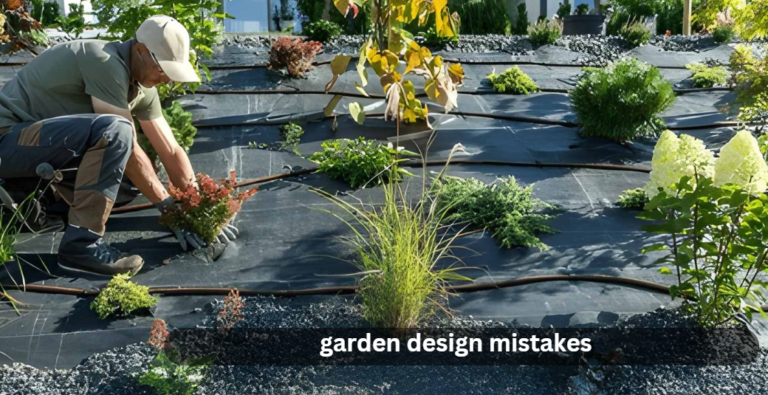
Layering helps visually and functionally: taller plants at the back, lower near seating; movement at eye height; texture changes as you walk through spaces; soft edges at the boundary of built hardscape. The guide also encourages you to consider evergreen vs seasonal and plants that provide color or form during off‑peak seasons.
An additional insight: when you choose plants not only for aesthetics but for their role—habitat for birds, insects, fragrance near seating—you turn your outdoor space into a living environment rather than a static set of planting beds. Incorporating this into the KDALandscape Landscape Guide by KDArchitects ensures your yard evolves gracefully and feels full of life.
4. Hardscape and Material Choices That Anchor the Design
Material choices for patio flooring, pathways, retaining walls, benches, and gardens are the skeleton of your yard’s design—and the KDALandscapetion Landscape Guide by KDArchitects gives you a framework for making those choices intentionally. KDArchitects frequently reference modern materials paired with nature‑inspired elements: permeable paving, recycled stone, integrated seating, and sculptural pathways.
When you design your mygardenandpatio, your hardscape should feel as carefully selected as your indoor flooring. The guide encourages matching materials to the architecture of your home (the “kdarchistyle architecture styles by kdarchitects” concept) so that the outdoor space feels like an extension of the house, not an afterthought. If your home has clean, modern lines, go with simple, large-format pavers and minimalist low walls; if it’s more traditional, choose textured stone, curved pathways, and warm tones.
Another practical pointer: follow KDArchitects’ advice to make paths more than simply functional—they can create visual journeys. For example, a subtle turn in a pathway, a change of material, or planting that frames the walk creates a sense of arrival. Combine that with seating nodes or mini gardens off the path. These details help the KDALandscapetion Landscape Guide by KDArchitects become a tool for creating intentional zones, not just surfaces.
Finally, maintenance matters: choose materials that age well and require minimal upkeep, especially if you want your yard to look good for years. By adhering to these material‑principled ideas, you build a space that lasts and remains low‑stress.
5. Lighting & Outdoor Ambience for All‑Day Use
Designing for daylight is one thing, but the KDALandscapetion Landscape Guide by KDArchitects reminds you to plan for evening and night use. In the U.S. market especially, outdoor entertaining, dining under the stars, and late patio gatherings—all are important. Lighting helps your yard extend beyond daylight hours.
Start by layering your lighting: ambient lighting for general use (e.g., a soft glow under eaves or pergola), task lighting for cooking/dining areas, accent lighting for plants or architectural features, and pathway lighting for safety and atmosphere. KDArchitects’ use of sculptural and low‑glare lighting means you’re not just lighting for function, you’re lighting for effect.
For your mygardenandpatio, consider how you use the space after dark. Do you want lounge seating under trees? Then uplighting trees and soft indirect light under benches create a cozy atmosphere. Do you entertain? Then lighting cooking zones and dining areas is critical. The guide also suggests planning for power and wiring ahead of time rather than retrofitting.
A more profound realization: illumination may connect the indoor and outdoor areas. If your house exterior is lit with the same palette and material language as your yard lighting, the transition becomes seamless. The guide thus helps you imagine a 24‑hour space rather than a yard that “shuts down” at dusk.
6. Decorative Features & Personal Touches That Elevate the Experience
The KDALandscapetion Landscape Guide by KDArchitects stresses that once the structure is in place (site, plants, material, lighting), your yard benefits from decorative features—furniture, sculptures, water features, fire, art—that reflect your lifestyle. These are the “extras,” but in KDArchitects’ world they become intrinsic parts of the design.
When you curate your kdalandscapetion landscape guide by kdarchitects, you’ll want pieces that not only look good but can be used. A bench that invites sitting, a low fire table for gatherings, and a small water feature for sound and movement—all tied back into your overall design scheme. The guide suggests choosing materials and forms that echo the architecture of your home (“kdarchistyle architecture styles by kdarchitects”) so that outdoor furnishings aren’t mismatched.
Another level of insight: decoration can help you scale the yard. In smaller spaces focus on one strong focal piece and surrounding plantings; in larger yards add multiple decorative zones (reading nook, fire pit, water terrace). The guide supports that by helping you map usage zones in advance rather than tacking features on later. That buffer of planning means your yard will feel cohesive and intentional.
7. Sustainability, Low‑Maintenance & Smart Systems
A signature of KDArchitects’ work is their commitment to sustainable design and durable materials, and the kdalandscapetion landscape guide by kdarchitects echoes that. This is not a guide that ends with “pick pretty plants.” It goes deeper: water‑wise planting, permeable paving, smart irrigation, minimal chemical use, native species, and systems that reduce maintenance over time.
For instance, your mygardenandpatio can include a rain garden or swale to manage runoff, native grasses to reduce irrigation, LED low‑voltage lighting, and hardscape materials with recycled content. This reflects the firm’s reputation for “sustainable and innovative KDArchitects” solutions. Over time you’ll spend less time maintaining, less on water bills, and less on replacements.
A fresh insight: think of sustainability not just as “global good” but as personal convenience. A garden designed according to the guide performs better in drought, keeps paths safe in rainy seasons, and ages gracefully so you replace less. In that sense the KDALandscapetion Landscape Guide by KDArchitects becomes a long‑term investment in comfort, not just style.
8. Phased Implementation & Budget‑Smart Planning
One barrier many homeowners face is budget and time. The KDALandscapetion Landscape Guide by KDArchitects acknowledges this by recommending phased implementation. It’s not necessary to build everything at once. Start with the dominant zone (perhaps your patio adjacent to the house) and then move outward to planting beds, lighting, and decorative features. That means you can enjoy functional outdoor space early and expand later.
On your advancements immersive experience KDArchitects this might look like: Phase 1 – patio and primary seating; Phase 2 – planted borders and lighting; Phase 3 – decorative features and water element. By planning via the guide, you avoid “throwing money at every idea” and instead allocate budget thoughtfully.
Another insight: you can use this phased approach to test what you use most. Perhaps you discover you seldom use the fire pit but use the lounge area a lot; the guide’s flexible structure allows you to adapt. You build in resilience to shifting habits so that your yard remains dynamic rather than static.
9. Maintenance Strategies to Keep Your Landscape Thriving
With good design in place, the KDALandscapetion Landscape Guide by KDArchitects doesn’t stop. It encourages you to plan for long‑term maintenance so the space remains beautiful and functional. That means selecting plants for climate, designing for ease of access (for trimming and lighting servicing), scheduling irrigation checks, and choosing materials with long life cycles.
For your mygardenandpatio, keep easy‑access lighting circuits, designate planting zones so you can rotate plants without disrupting major features, and choose hardscape materials that resist staining and weeds. The guide’s emphasis on “smart systems” means you’re thinking five years ahead, not just tomorrow.
A thoughtful insight: maintenance planning is often overlooked, but it’s what differentiates a yard that looks good for a season vs. one that looks good for a decade. By applying the maintenance lens in the KDALandscapetion Landscape Guide by KDArchitects early, you save stress, money, and time down the road.
10. Bringing it All Together: An Outdoor Space That Lives With You
When you follow the KDALandscapetion Landscape Guide by KDArchitects from site analysis through planting, materials, lighting, decoration, sustainability, and maintenance, you end up with a garden that isn’t just pretty—it’s lived in. Your mygardenandpatio becomes an extension of your home, designed not just for occasional use, but casual everyday enjoyment.
One unique angle: think of your yard in terms of “rooms” regardless of size. A small space may have one main room and a reading nook; a larger yard might have multiple outdoor “rooms” (dining, lounging, fire, planting). The guide helps you arrange those rooms spatially and visually so each is connected yet distinct.
Another insight: over time your needs change—kids grow, entertaining habits shift, and seasons dictate different uses. Because the guide emphasizes flexible planting palettes, smart systems, and modular features, your outdoor space adapts rather than becomes obsolete. It’s not just design for now—it’s design for the future.
Conclusion
The kdalandscapetion landscape guide by kdarchitects offers a thoughtful roadmap for U.S. homeowners ready to make their outdoor space meaningful, usable, and beautifully aligned with home and site. Use the guide not as a strict rulebook but as a mindset of thoughtful composition, and your outdoor space will reward you for years.