

Robert’s guide gives clear, honest help for home gardens and patios. It uses practical ideas from the robert mygardenandpatio approach and expands on them with real-world advice readers in the United States can use right away. You will find simple steps for planning, plant selection, furniture choices, lighting, privacy, DIY builds, and seasonal care. Each section includes quick examples and actionable tips. The goal is to make outdoor space useful and easy to keep. Because it is expressed in simple terms, you can read it and act confidently.
Designing layout and structure for flow and use
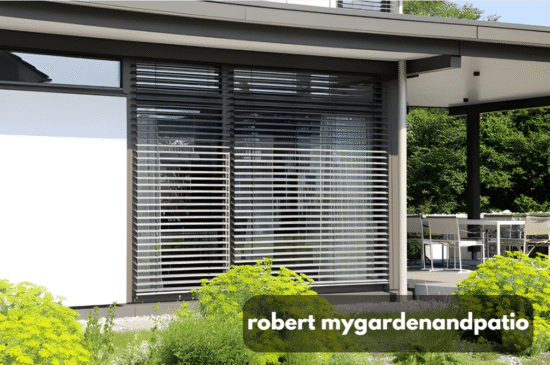
Consider the patio to be an outdoor space. Set simple zones for dining, lounging, cooking, and planting. Place the most used zone closest to the house for easier access. Paths should be direct and at least three feet wide where people carry plates or push a stroller. Good flow makes a small patio feel larger and more useful. Start with one strong focal point like a tree, a fire feature, or a built bench. Arrange furniture so it faces that focal point without blocking circulation. For small patios, use a pair of chairs and a small table instead of a full dining set. A bench that doubles as storage gives seating and hides cushions in bad weather. Hardscape choices matter. Permeable pavers let water soak in. Gravel is low cost and drains well. Raised planters can form a border and keep foot traffic off beds. Match materials to long-term goals. If you want a low-maintenance yard, choose composite decking or sealed concrete for major walking surfaces. For hands-on gardeners, a mix of stone and planting beds works best. A unique idea is to design for phases. Complete the layout and core hardscape first. Then add furniture and plants over time. This staged approach, often advised in mygardenandpatio robert tips, helps you spread cost and see what you actually use. It also stops overfilling the space with items that look good online but do not work in daily life.
Choose plants that fit your climate and goals
Match species to your USDA zone and to the microclimates around your home. Native plants will need less water and fewer inputs than non-native choices. Combine annuals for seasonal color and perennials for structure. Container plants can fill gaps and bring color to patios without major soil work.
Think vertical as well as horizontal. Vines on a trellis or tall container specimens add privacy and height without using ground space. For small patios, choose compact shrubs and small trees that have shallow root systems.
Balance bloom time and foliage. Pick early bloomers, summer perennials, and late-season plants to keep the patio interesting across months. Sort plants according to their water requirements for easy and effective irrigation. Containers dry faster than beds, so plan for faster watering and use drought-tolerant mixes if needed.
Decor and finishing touches that make the space usable

Choose one strong accent and keep other pieces simple. An outdoor rug anchors seating, plants add depth, and a few well-chosen pots make a layered look. Textiles add softness, but pick fabrics with outdoor ratings. Keep planters and pots in a limited palette so the space feels calm rather than busy. Accent items should be easy to store and replace when they wear out. Seasonal decor keeps the patio fresh with little effort. A plan for spring refresh, summer additions, and winter storage keeps the area ready to use.
Unique insight
Buy one high-quality anchor piece like a weatherproof rug or a solid dining table and rotate cheaper accents through the season. That mix of solid and flexible touches is a common thread in Robert Mygardenandpatio’s advice.
DIY projects that add value and save cost
Raised beds are one of the simplest builds that give unique insight.
Plan for habit change. If you expect different use over five years, pick a flexible palette of plants that can move between containers and beds. Label nursery pots with the planting date and a photo. That habit makes seasonal planning easier and keeps replacements from piling up. Guides like Robert Mygardenandpatio often stress this flexible approach.
Pick furniture and materials for durability and comfort

Material choice decides maintenance. Teak is a top wood for outdoors because it naturally resists rot and can last decades with light care. Aluminum is light, does not rust, and fits many styles. Resin wicker provides a woven appearance while being weatherproof and requiring little upkeep. Choose furniture scaled for the space. Oversized sofas can overwhelm a small patio. Leave walking room and keep corners free. Look for pieces with removable cushions for easier storage. Hard surfaces and fabrics rated for outdoor use make life easier. Think about cushions and fabrics as items you can upgrade. A set of cushions is cheaper to replace than a whole sofa. Store cushions in a covered chest during long wet seasons. If your climate sees heavy winter weather, choose furniture you can stack or cover securely.
Unique insight
Buy at least one piece that will age well. A solid table in teak or metal can anchor future changes. Then layer the style with smaller, replaceable pieces. This mirrors the advice found in Robert Mygardenandpatio guides that focus on long-term value.
Light shade and privacy for comfort and mood
Layered lighting uses ambient light for general glow, task light for cooking and reading, and accent light for plants or features. Solar options work for paths and accents, while hardwired fixtures handle main lighting loads. Installing solar lights is simple, and their efficiency has increased. Expect quality solar fixtures to last several years with proper care. Batteries may need replacement in time. Convenience and dependability are well-balanced when solar and wired lighting are combined. Shade and privacy go hand in hand. Pergolas, retractable awnings, and overhangs create long-term shade. Trellises with climbing plants or tall evergreen hedges make private rooms without hard fencing.
Unique insight
Use lighting scenes on a simple timer or smart plug so each zone switches to the right mood at the right hour. This practical trick is often suggested by robert mygardenandpatio enthusiasts who focus on comfort and ease.
Decor and finishing touches that make the space usable

Water deeply and less often to encourage strong roots. About one to one and a half inches of water per week works for many garden plants, adjusted by soil type and season. Containers need more frequent checks because they dry faster. Drip irrigation delivers water efficiently and can cut water use compared to spray systems. Smart controllers that respond to weather also trim water use without fuss. Prune with purpose. Remove dead wood and shape young plants early. Make clean cuts and avoid heavy pruning at the wrong time of year.
Unique insight
Design modular DIY work. Build a raised bed with removable sides so it can be converted to seating later. Guides from robert mygardenandpatio often highlight modular thinking to adapt to changing needs.
Maintenance and seasonal care that keep things healthy
For robust roots, water deeply and infrequently. Depending on the soil type and season, many garden plants require between one and one and a half inches of water per week. Containers need more frequent checks because they dry faster. Drip irrigation delivers water efficiently and can cut water use compared to spray systems. Smart controllers that respond to weather also trim water use without fuss. Prune with purpose. Remove dead wood and shape young plants early. Make clean cuts and avoid heavy pruning at the wrong time of year.
Unique insight
Keep one maintenance photo each season. A quick image of the same view makes it easier to spot slow problems like a decline in a plant or drainage shifts. That habit echoes the practical focus of Robert Mygardenandpatio Tips.
Avoid common mistakes that cost time and money
Do not overcrowd plants or furniture. Scale matters. A good rule is to place large elements first and leave at least three feet for movement near doors. Many makeovers fail because they add furniture that blocks flow or plants that outgrow their space.
Do not ignore soil and drainage. Good soil keeps plants alive and cuts replacement cost. Do not assume a plant labeled hardy in a zone will thrive without checking sun and soil needs.
Unique insight
Plan stages for three years. Year one is site work and core hardscape. Year two is plants and furniture. Year three is refinement and decorative upgrades. This staged plan fits with robert mygardenandpatio strategies that keep projects simple and low stress.
Real-world makeovers and examples that show what works
Before and after projects teach what to do first. Many successful small patio makeovers begin with clearing and a strong focal point, then add storage and a single durable furniture set.
A common success story is converting an unused slab into an outdoor room. Steps that work include fixing drainage, adding a border of raised planters, placing seating for the main view, and adding layered lighting. These changes make the space usable on day one and attractive over time.
Unique insight
An original idea The frequency of weekly usage of the area is a good way to gauge success. If the patio is used daily, it is a success even if every design choice is not perfect. That people-first approach is central to robert mygardenandpatio style advice.
Conclusion
This guide puts practical planning first and detail second. Start with a clear site assessment. Design zones for real use. Pick plants that fit your zone and soil. Choose furniture that matches your lifestyle and climate. Add lighting and privacy in ways that support daily life. Use simple DIY and staged work to spread cost and risk. Maintain with smart watering and small regular pruning. These steps make a patio you use and enjoy. If you follow them, the results will be quieter, simpler, and more lasting than chasing trends.